
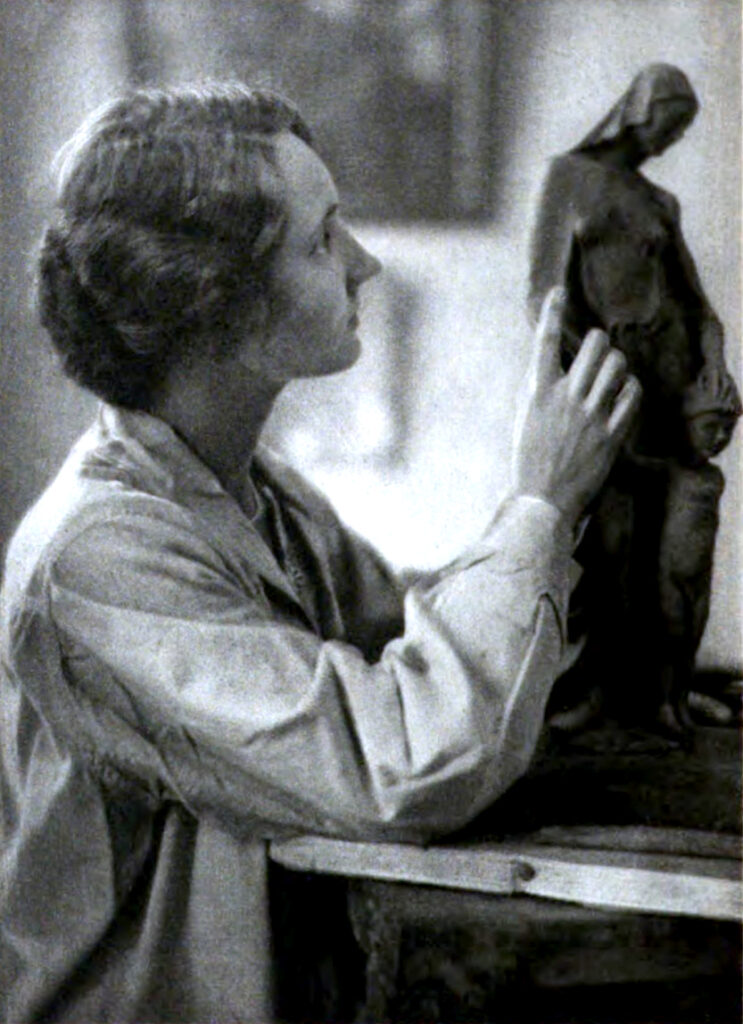
Ruth Walker Brooks (1909-1995), later Ruth Brooks Hoffman, was an artist with a penchant for adventure. Born in New York City, she was the daughter of renowned pathologist Harlow Brooks and Louise Davis Brooks (nee Dudley Davis), a bacteriologist. She attended Bryn Mawr College, as did her mother, and, upon graduating, attended a number of educational art institutions, including the National Academy of Design, where she studied sculpture, her medium of choice (cyclopedia). She became an art teacher and had works exhibited at a number of galleries and permanent exhibits in the American Numismatic Society and Grand Central Galleries (wedding announcement). In 1937 she married Kenneth Landers Hoffman (Wedding NYT 1937), with whom she had a daughter, Nancy Dudley Hoffman (later Nancy Underhill), who founded the University of Queensland’s Department of Art History (citation).
Like her father, she was fascinated by animals, and archeology and deeply interested in Southwestern American Indian cultures, as seen in some of her works (cyclopedia). This interest can be seen in her art, whether in the representation of American Indians or in decorative elements and talks she gave, such as “My Experience with the American Indian” at the Darien Historical Society in 1957 (Fairfield County Fair).
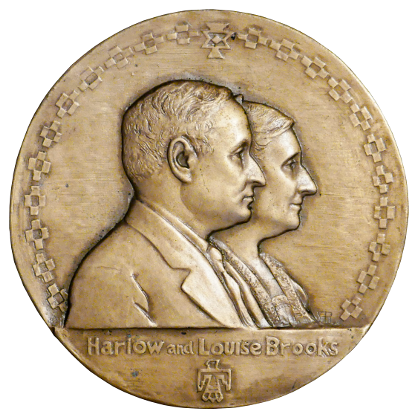
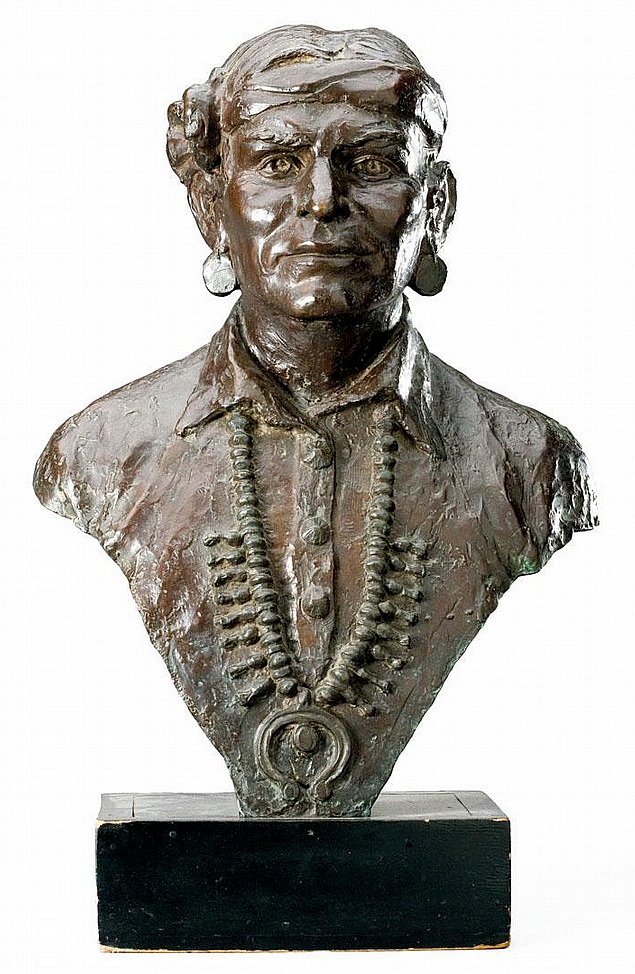
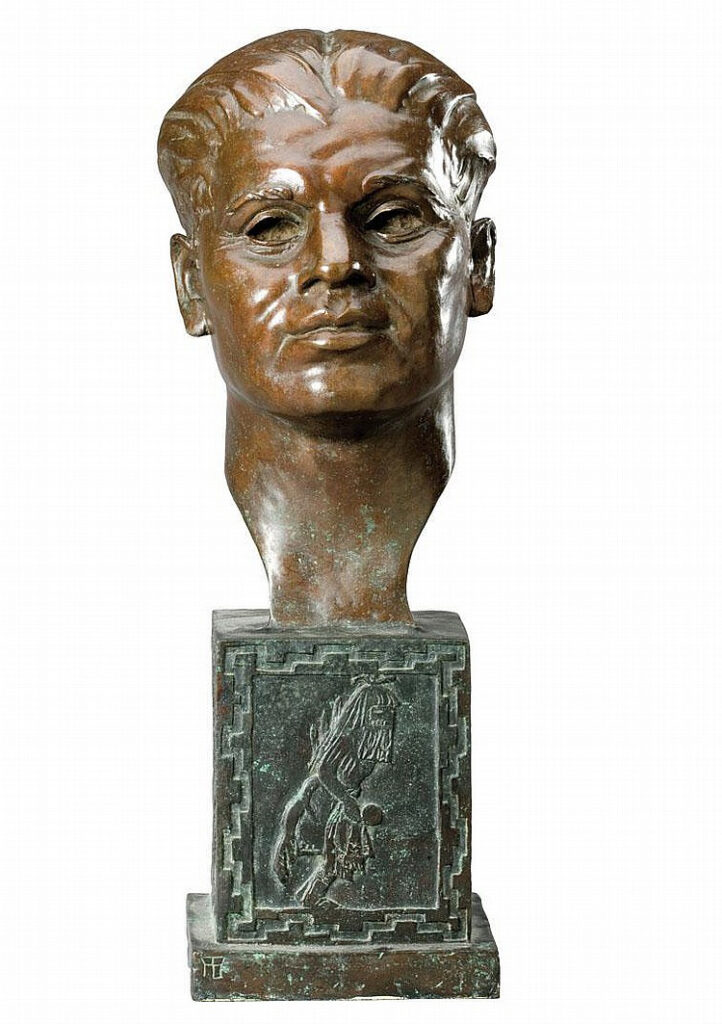
Letters to Jimmy Simpson’s family… Christmas cards
Harlow died while on the expedition
A Scientific Expedition
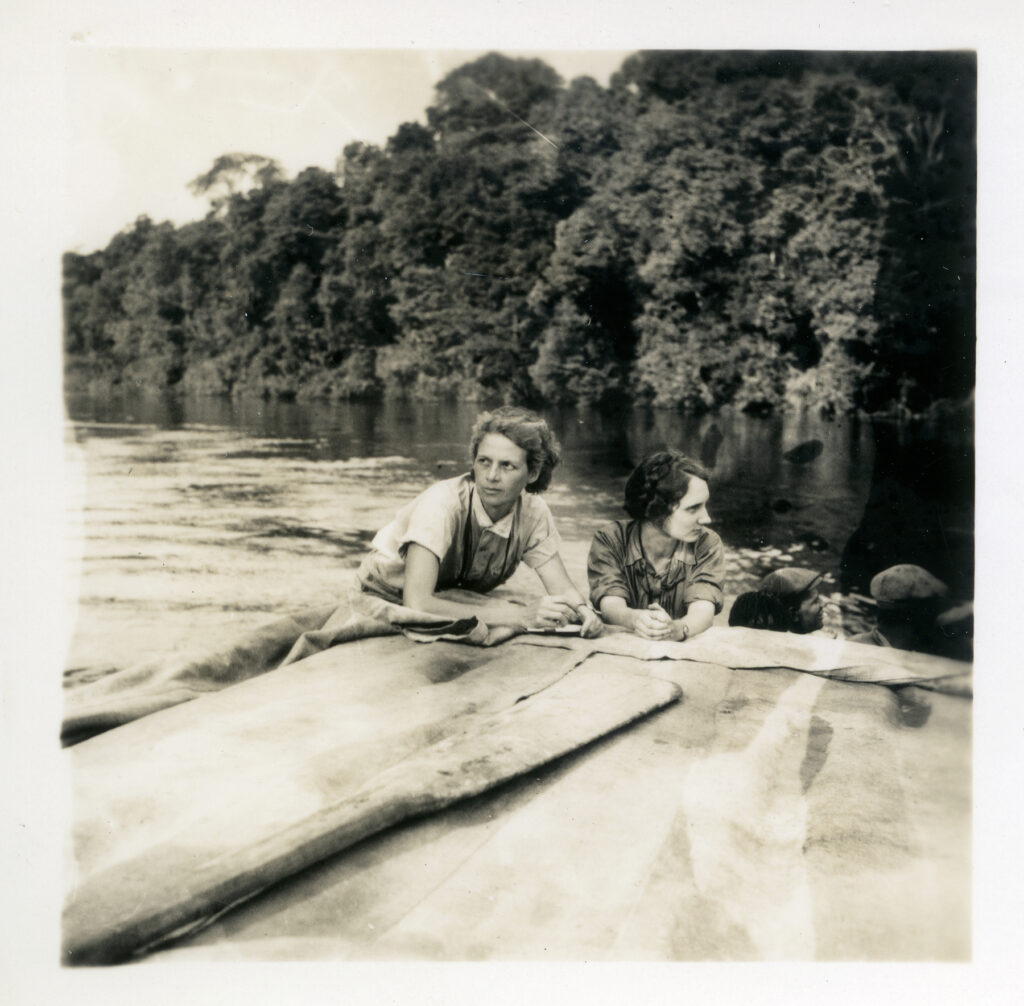
In 1936, Ruth joined the twenty-third New York Zoological Society’s Scientific Department of Tropical Research expedition led by research associate and groundbreaking zoologist Gloria Hollister. On April second, Gloria, Ruth, the staff artist, and Arthur VB Menkin, the staff photographer, set out on the steamer ship, R.M.S Nerissa (NYZS Bulletin 167).
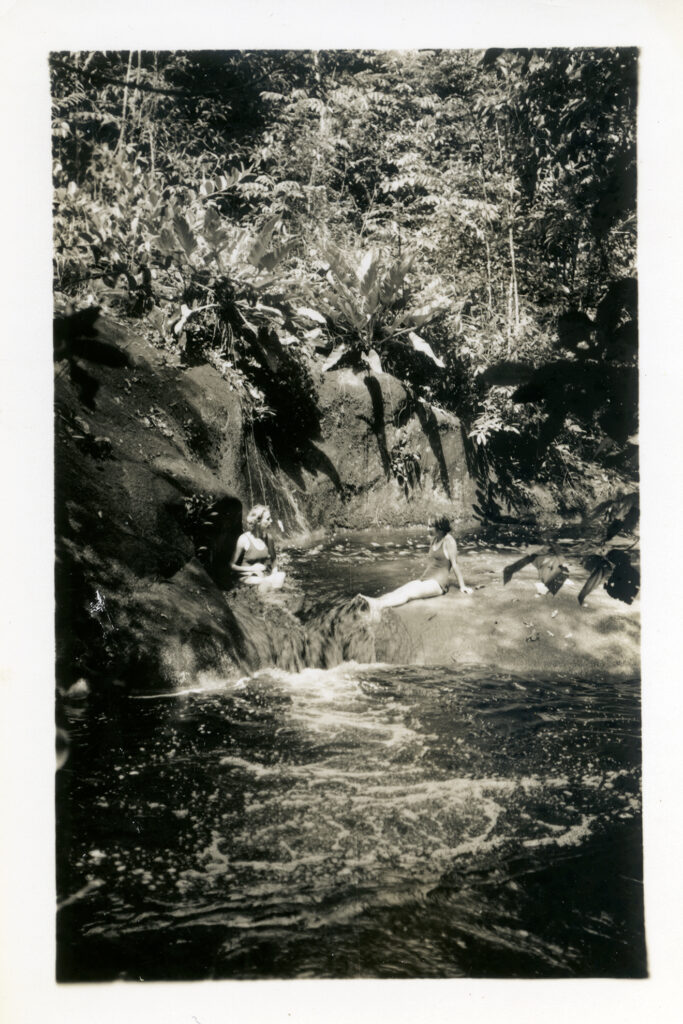
Coming and going from the ship as it made port throughout the Caribbean, the team explored a number of islands for scientific purposes and, at times, for pleasure. In Trinidad, they observed the guacharo bird; in Barbados, they studied and recorded the catching of flying fish; and in British Guiana (what is Guyana today), they observed the hoatzin bird (NYZS Bulletin 167). As they traveled, they collected living specimens for the NYZS, which were shipped to and recorded what they saw in journals, photographs, and motion pictures.
Kaieteur Falls, located deep in the heart of British Guiana, was the apex of their journey. After driving from Bartica on a government-made dirt road for one hundred miles to Garraway bridge (today?) in Mahdia and then six more miles to Kangaruma, where they were joined by a Patamona Indian family who were hired as carriers for their 2000 pounds of food and equipment as they boated and hiked their way to Kaieteur (NYZS Bulletin 174 and 177). At the falls, they camped, photographed, and filmed, and, with the arrival of an amphibious plane flown by an American pilot and co-pilot team, they were able to take aerial images and record over forty waterfalls that had not been charted on American or European maps (NYZS Bulletin179).
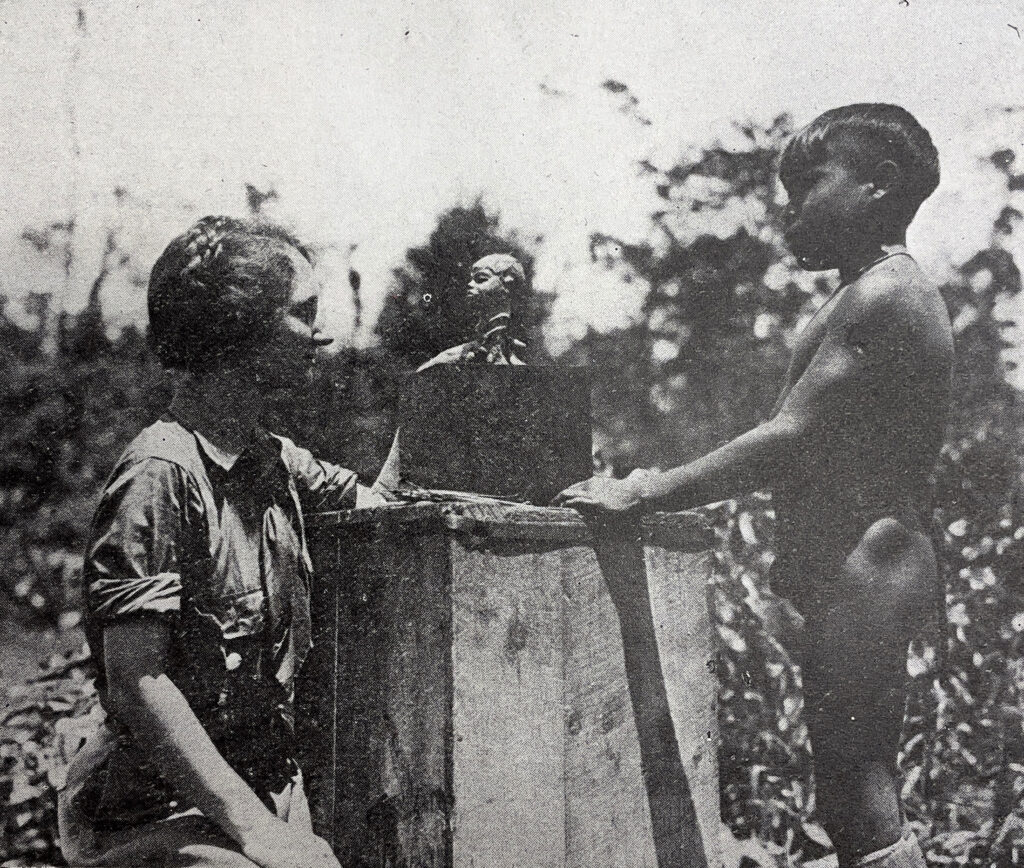
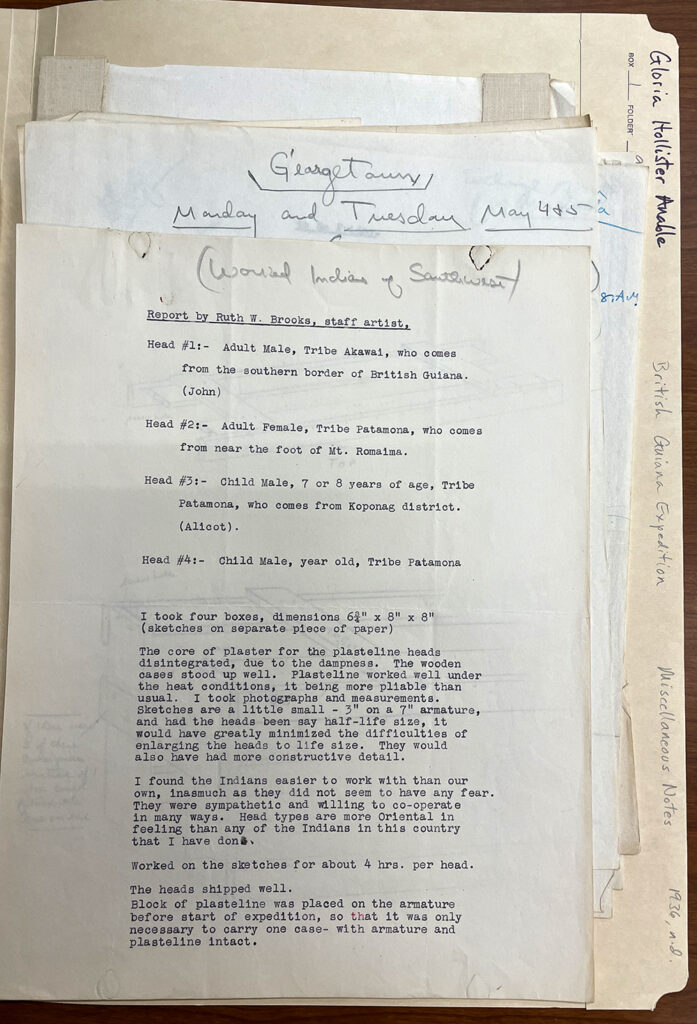
While at their Kaieteur camp, Ruth sculpted Indigenous people, either who they had met there or who had accompanied them. In her notes, she described her experience working with them, saying, “I found the Indians easier to work with than our own, inasmuch as they did not seem to have any fear. They were sympathetic and willing to co-operate in many ways.” She also included a list of the sculptures to be ship with them:
Excursion to British Guiana
Head #1:- Adult Male, Tribe Akawai, who comes from the southern border of Guiana.
Head #2:- Adult Female, Tribe Patapmona, who comes from near the foot of Mt. Romaima.
Head #3:- Child Male, 7 or 8 years of age, Tribe Patamona, who comes from Kopanag district.
Head #4:- Child Male, year old, Tribe Patamona
Add or link to a video: https://wcs.access.preservica.com/?s=gloria&parenthierarchy=SO_bb359556-dd6b-4ab7-93a3-1a5ff3fba95f