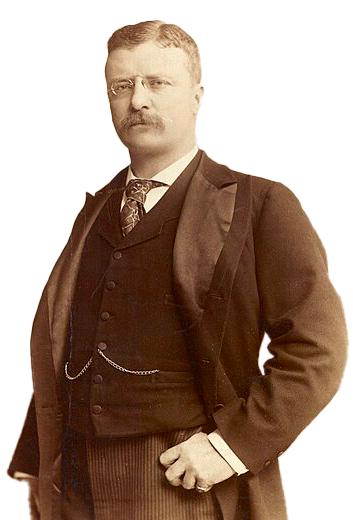
This story begins in the 1890s New York among men who embraced the ethos of Theodore Roosevelt and Rudyard Kipling, larger-than-life figures who shared the philosophy of vigorous, duty‑bound manhood [adventure and outdoor culture] that helped shape popular culture and American national identity. Roosevelt wanted Kipling to be in the American Literary canon. [link to Kipling & Roosevelt]
“I wish to preach, not the doctrine of ignoble ease, but the doctrine of the strenuous life, the life of toil and effort, of labor and strife; to preach that highest form of success which comes, not to the man who desires mere easy peace, but to the man who does not shrink from danger, from hardship, or from bitter toil, and who out of these wins the splendid ultimate triumph.”
From Roosevelt’s famous “Strenuous Life” speech given to promote a strenuous life as being beneficial to the individual, but also to America, 1899
Lorem ipsum dolor sit amet, consectetur adipiscing elit, sed do eiusmod tempor incididunt ut labore et dolore magna aliqua. Ut enim ad minim veniam, quis nostrud exercitation ullamco laboris nisi ut aliquip ex ea commodo consequat. Duis aute irure dolor in reprehenderit in voluptate velit esse cillum dolore eu fugiat nulla pariatur.
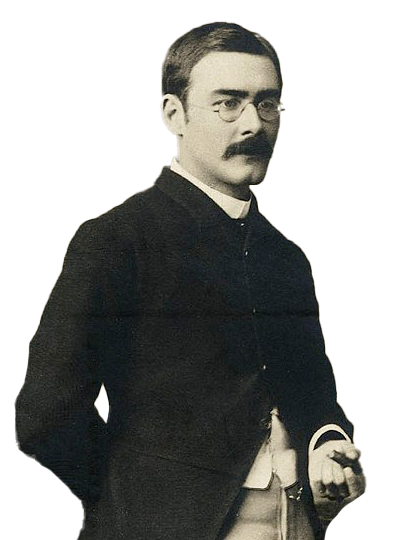
"It needs no little golden badge swinging from the watch-chain to mark the Native Son of the Golden West, the country-bred of California. Him I love because he is devoid of fear, carries himself like a man, and has a heart as big as his books. I fancy, too, he knows how to enjoy the blessings of life that province so abundantly bestowed upon him."
Kipling praising American men in the West, in particular those who were the children of frontiersmen, people he saw as being superior in strength, American Notes, 1891
Though a British citizen born in India, Kipling became a literary voice for America’s [manhood/strength] emerging vision of itself as a grand nation with a global purpose—especially in works like his most famous and controversial poem, “The White Man’s Burden,” which urged the United States to embrace an imperial role.
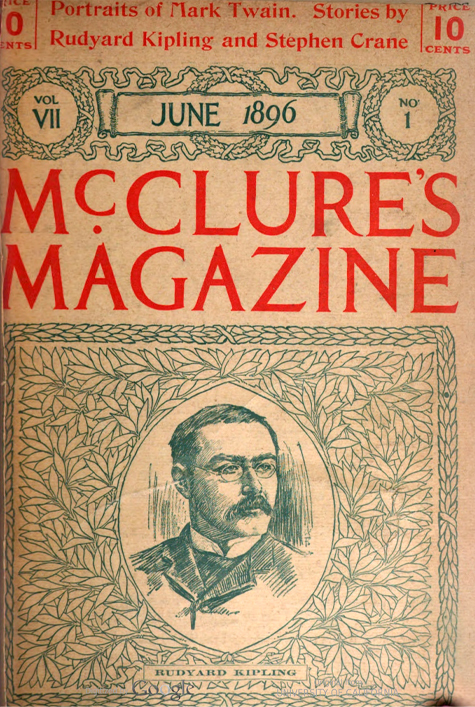
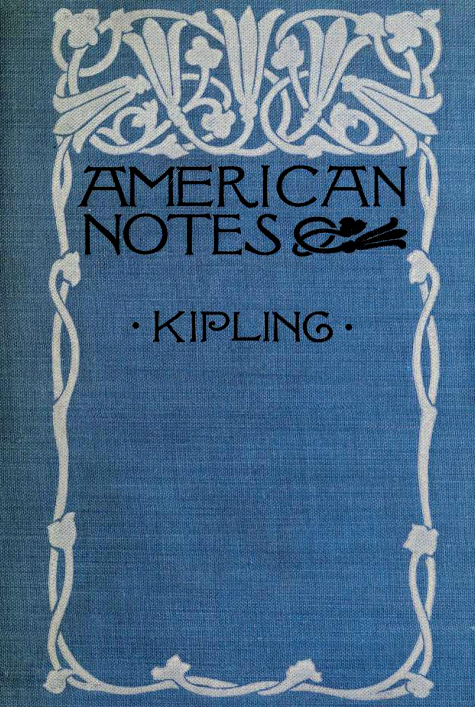
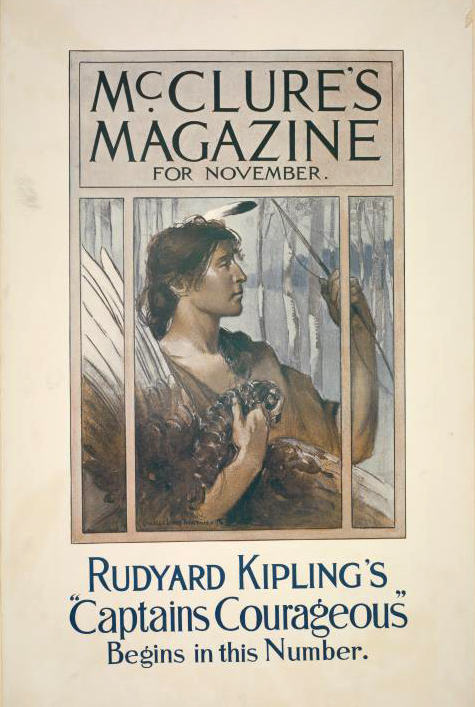
Kipling ⇨
Manhood & Masculinity
Roosevelt’s emphasis on strength
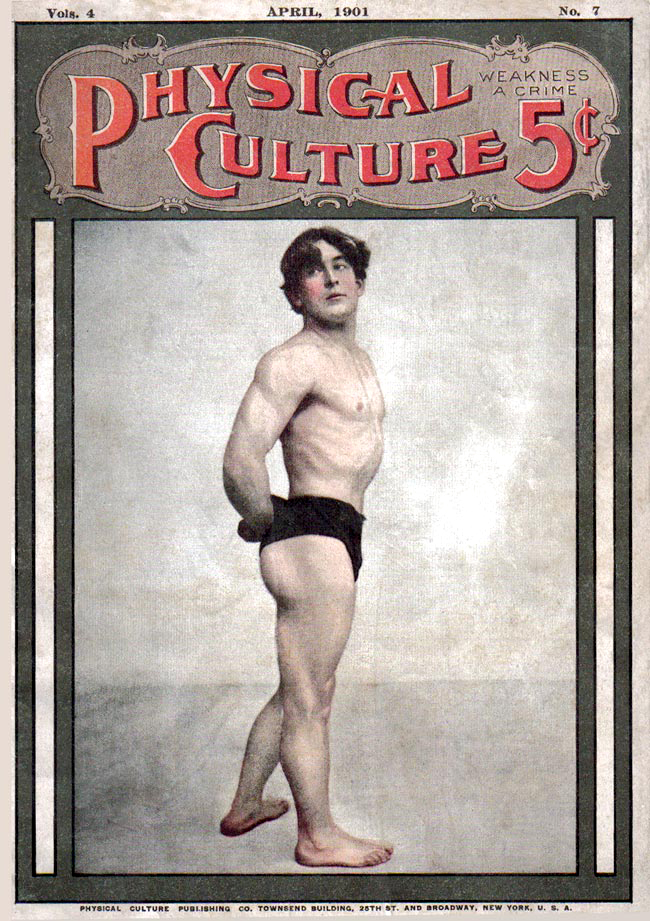
A culture of manliness helped to shape late 19th and early 20th Century. The West having been explored and “settled,” industrialization having reduced the demands of physical labor, and the unnaturalness and conveniences of East Coast city life, led men, specifically white middle and upperclass men who had the privilege, money, and fixation–to pursue ways to prove their manliness (Kimmel 82). This meant participating in sports, building their bodies in gymnasiums to look as though they do hard labor, reading western and adventure novels, and outdoor… Tarzan, Call of the Wild, Captain Courageous (82).
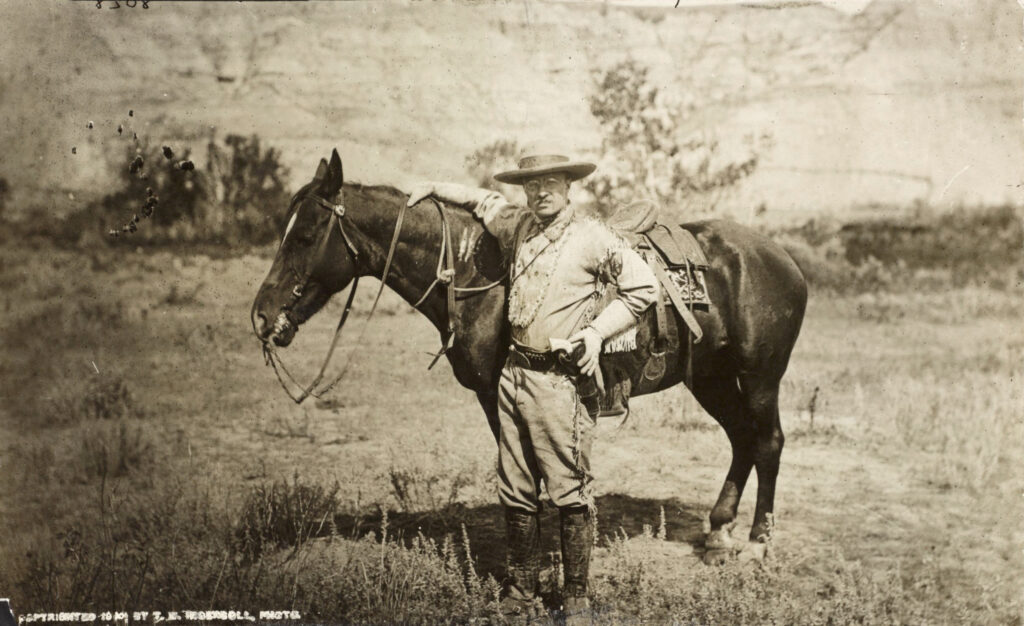
Though not the first easterner to go west to “stake a claim” his manhood, Roosevelt was certainly the most iconic American to do so, and, thus, served as a model for other well to do white men who followed in his perverbial footsteps (Kimmel 120).
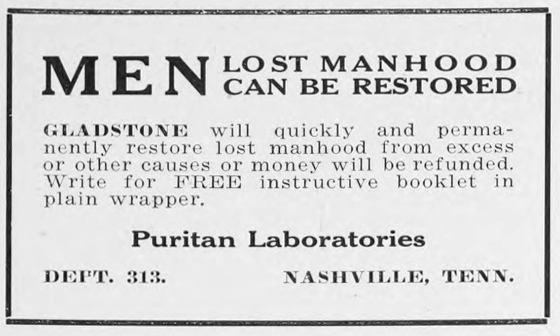
A culture of manliness helped to shape late 19th and early 20th Century. The West having been explored and “settled,” industrialization having reduced the demands of physical labor, and the unnaturalness and conveniences of East Coast city life, led men, specifically white middle and upperclass men who had the privilege, money, and fixation–to pursue ways to prove their manliness (Kimmel 82). This meant participating in sports, building their bodies in gymnasiums to look as though they do hard labor, reading western and adventure novels, and outdoor… Tarzan, Call of the Wild, Captain Courageous (82).
Roosevelt heavily influenced
Adventure & Exploration
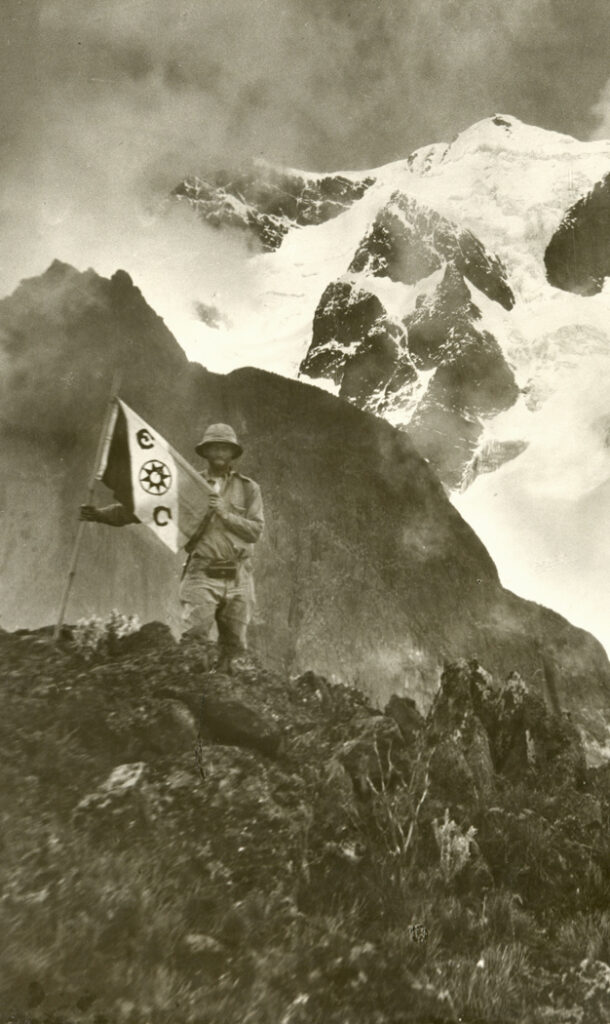
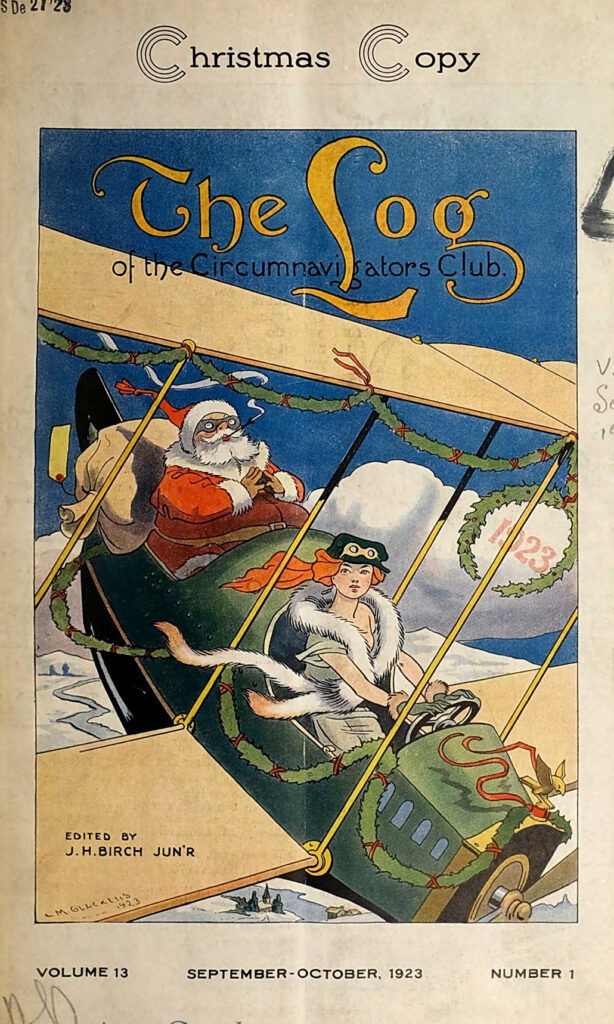
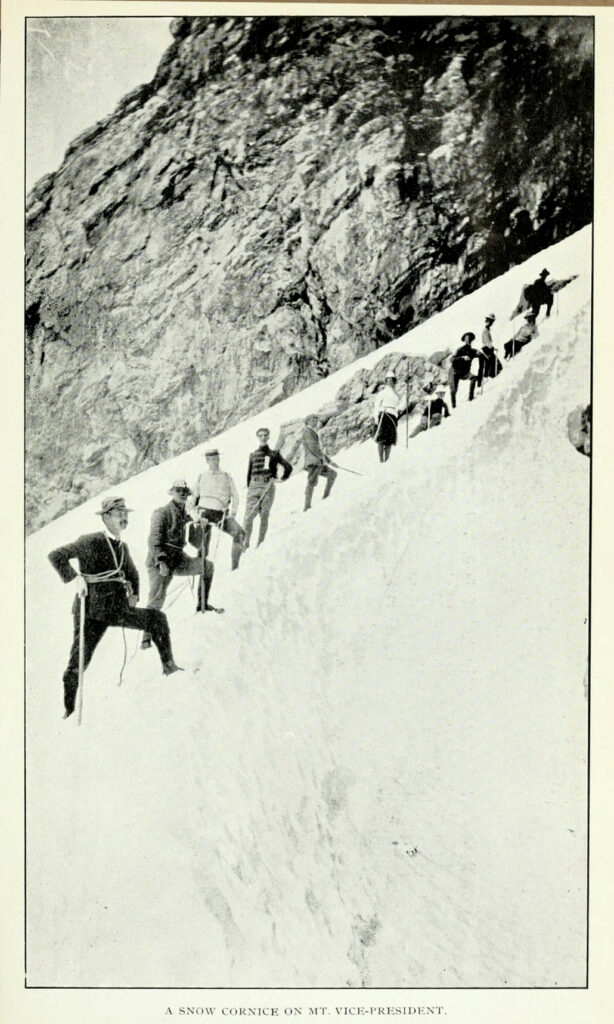
“The man should have youth and strength who seeks adventure in the wide, waste spaces of the earth, in the marshes, and among the vast mountain masses, in the northern forests, amid the steaming jungles of the tropics, or on the deserts of sand or of snow. He must long greatly for the lonely winds that blow across the wilderness, and for sunrise and sunset over the rim of the empty world. His heart must thrill for the saddle and not for the hearthstone. He must be helmsman and chief, the cragsman, the rifleman, the boat steerer. He must be the wielder of axe and of paddle, the rider of fiery horses, the master of the craft that leaps through white water. His eye must be true and quick, his hand steady and strong. His heart must never fail nor his head grow bewildered, whether he face brute and human foes, or the frowning strength of hostile nature, or the awful fear that grips those who are lost in trackless lands.” (CITE)
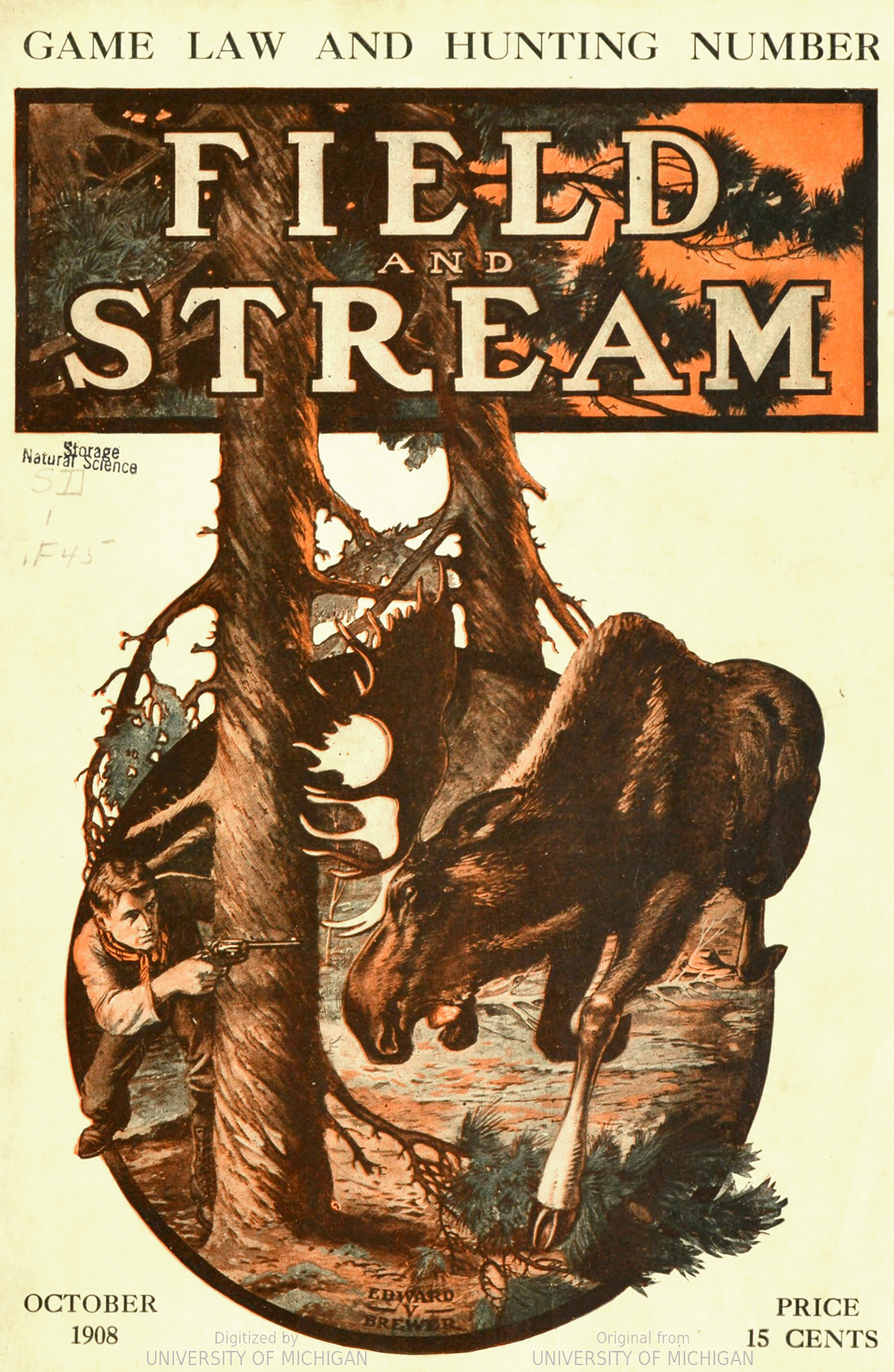
Field and Stream, “official organ of the Camp-Fire Club of America”; Forest and Stream, “official organ of the Audobone Society.”
Sportsman
Sportsman ⇨
Big game hunting – Buffalo Bill and Roosevelt in Africa
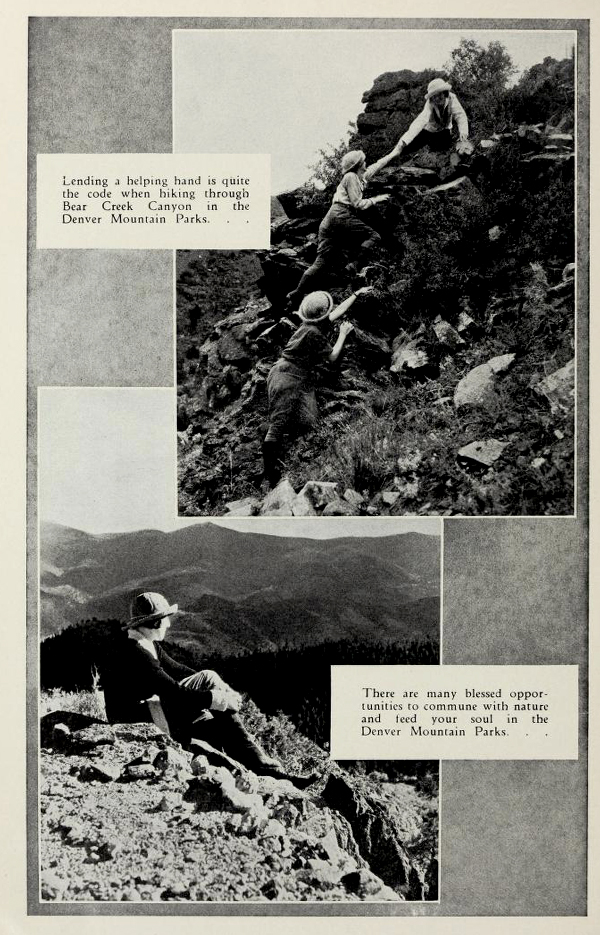
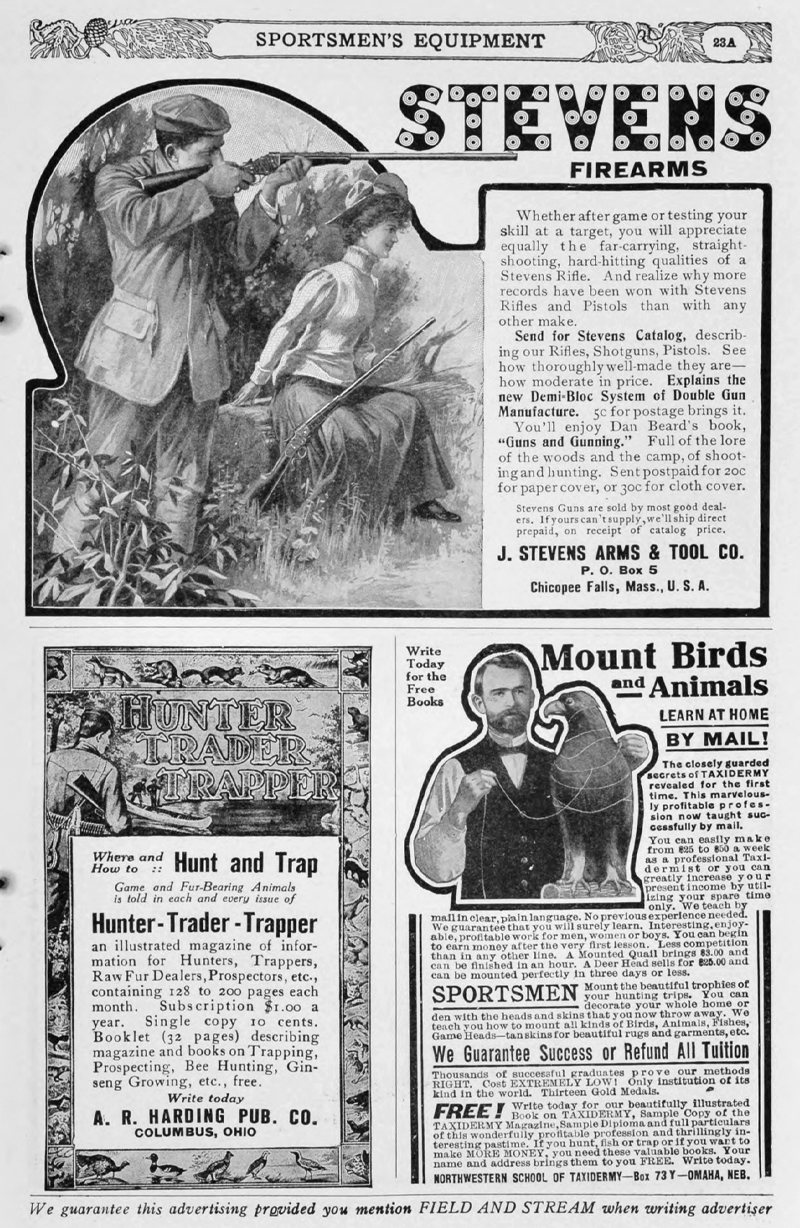
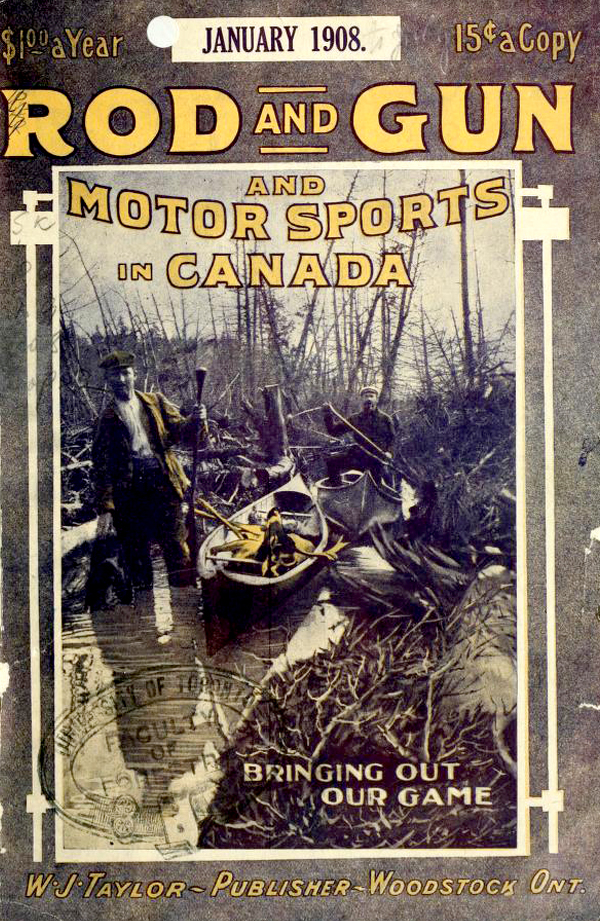
There were a number of social societies and clubs, many of which celebrated sportsmanship, the outdoors, and adventure. In the case of the Camp-fire Club and Boone and Crocket, were associated with the Conservation Movement.
Outdoor…
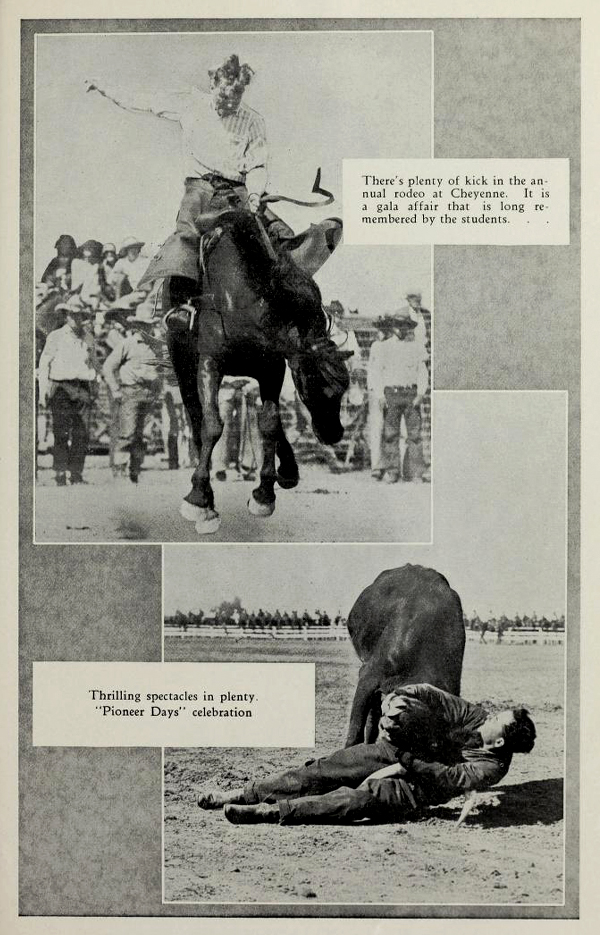
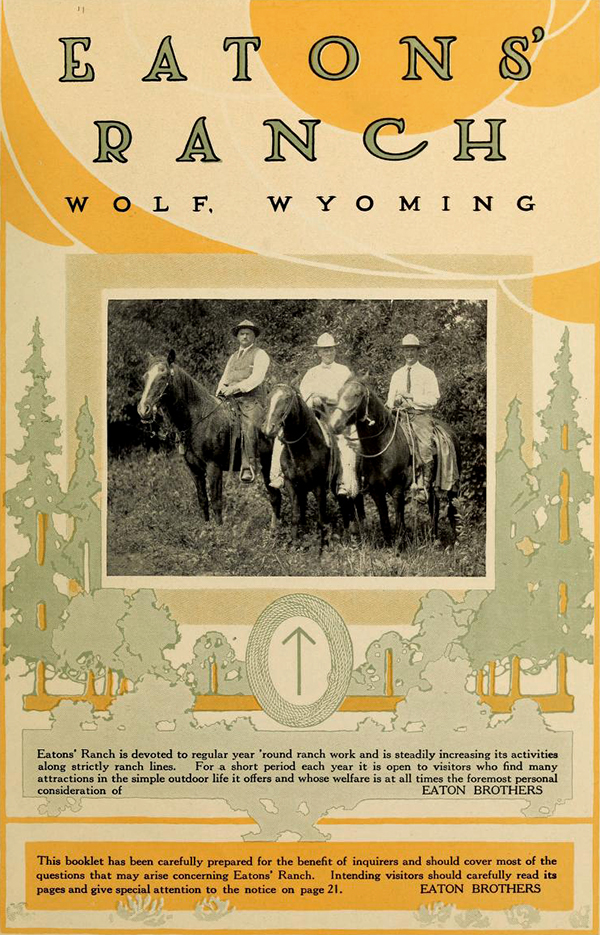
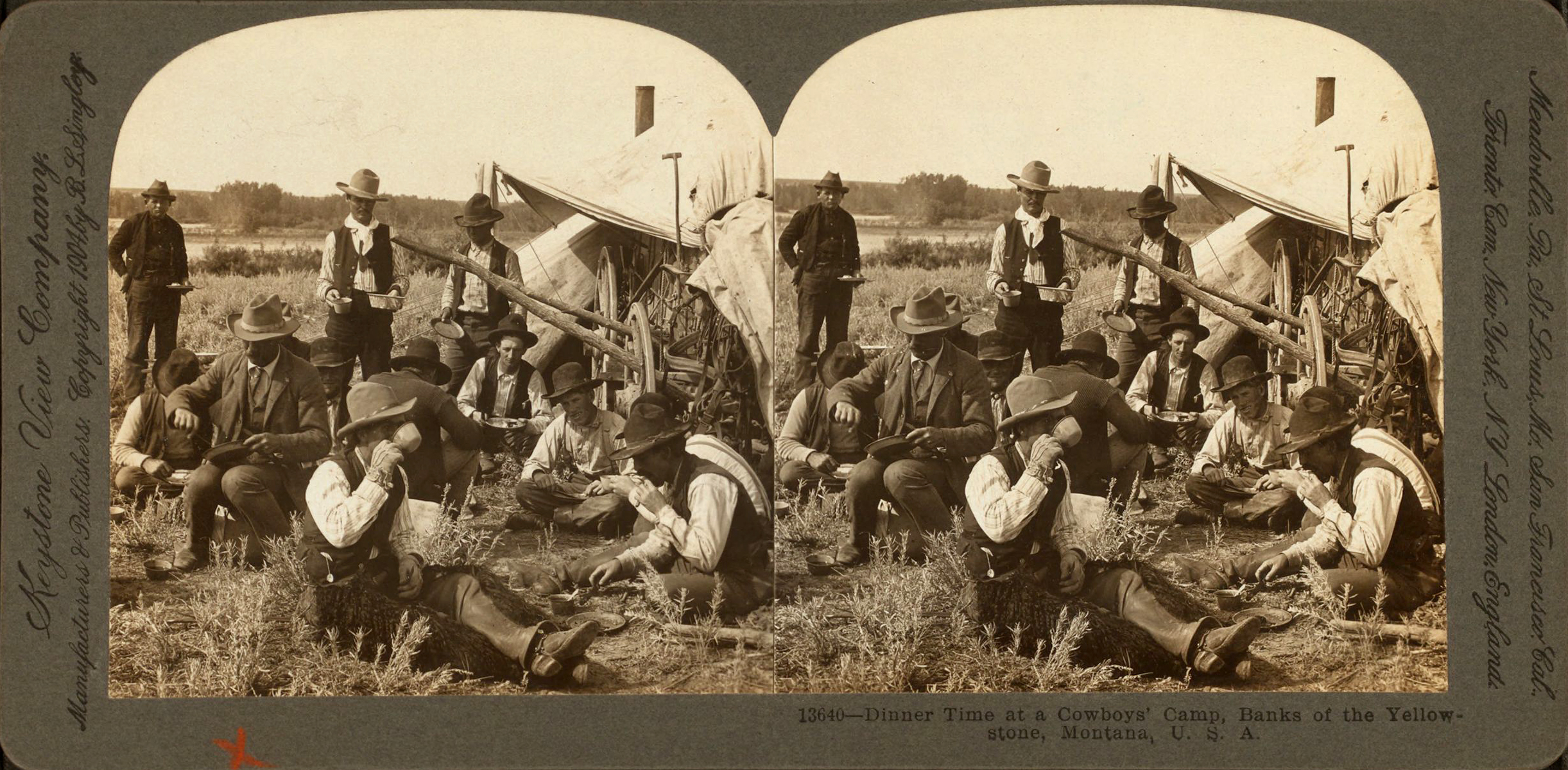
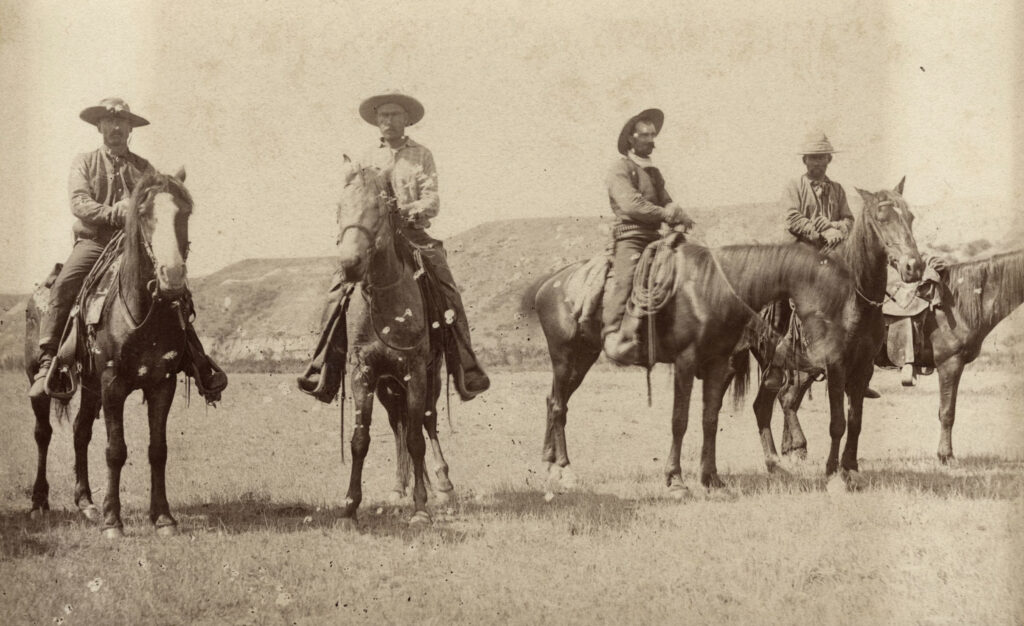
Going West and exploring the “frontier”… 19th century perspective/idea/conception that “the frontier made men” and “manly independence” that city life could not (61). “The turn of the century reinvented the frontier as simply the outdoors” (92?) Dude ranches – places to be masculinized, and be in the masculinizing outdoors (Kimmel 91) Ironically, the outdoor spaces, e.g., dude ranches have been made safe and unthreatening by eastern intellectuals” (92). Great Canadian hunting guide would distinguish between the “tourist sportsman” and sportsman.