
Most members of the McAleenan Hunting Party lived in New York City, living across Manhattan and Brooklyn. McAleenan living at addresses in Manhattan and Brooklyn… Brooks travels up and down the city for his various roles as… He would eventually demand more money from the NYZS because of the toll it was taking on him. Frothingham was working at a range of… and Murgatroyd had taxidermy shops in and his home in — where he did much of his work.
New York City between the 1890s and the 1930s saw immense change, as its streets transitioned from horse-drawn carriages to automobiles, skyscrapers emerged, and booming industries transformed the city into a dense, bustling metropolis that attracted both native-born Americans and waves of arriving immigrants. Describing the city as it appeared in 1895, the year Harlow Brooks arrived from Minnesota, John J. Moorhead, Brooks’ medical colleague and biographer, wrote:
There were no subways. Cable cars, the Elevated, and horse-drawn vehicles satisfied any need of swift conveyance, except for an infrequent automobile capable of the astounding speed of ten miles an hour. Even as late as 1899, when forty machines were mustered for New York’s first automobile parade. Horseless carriages were extremely uncommon, and the person concerned with getting safely and surely to his destination traveled by other means (Moorhead).
The city’s population grew rapidly throughout this period—from approximately 2.3 million in 1890, when New York City consisted primarily of Manhattan and Brooklyn, to 3.4 million by 1900 following the 1898 unification of the five boroughs, and nearly reached 6.9 million by 1930 (NYC 1890 population + CITE).
[ADD VIDEO]
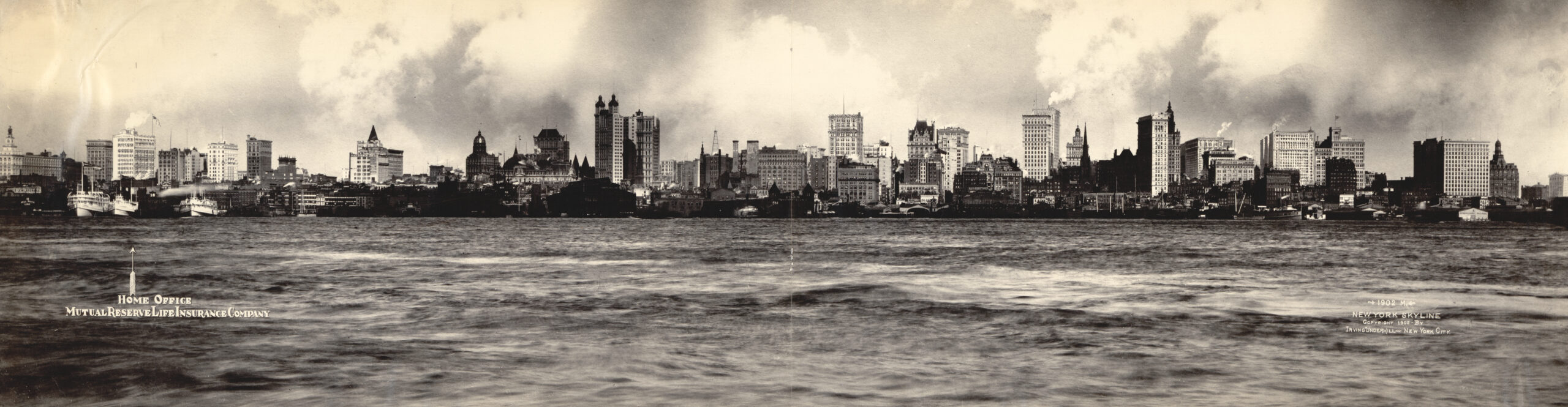
1902 New York City skyline
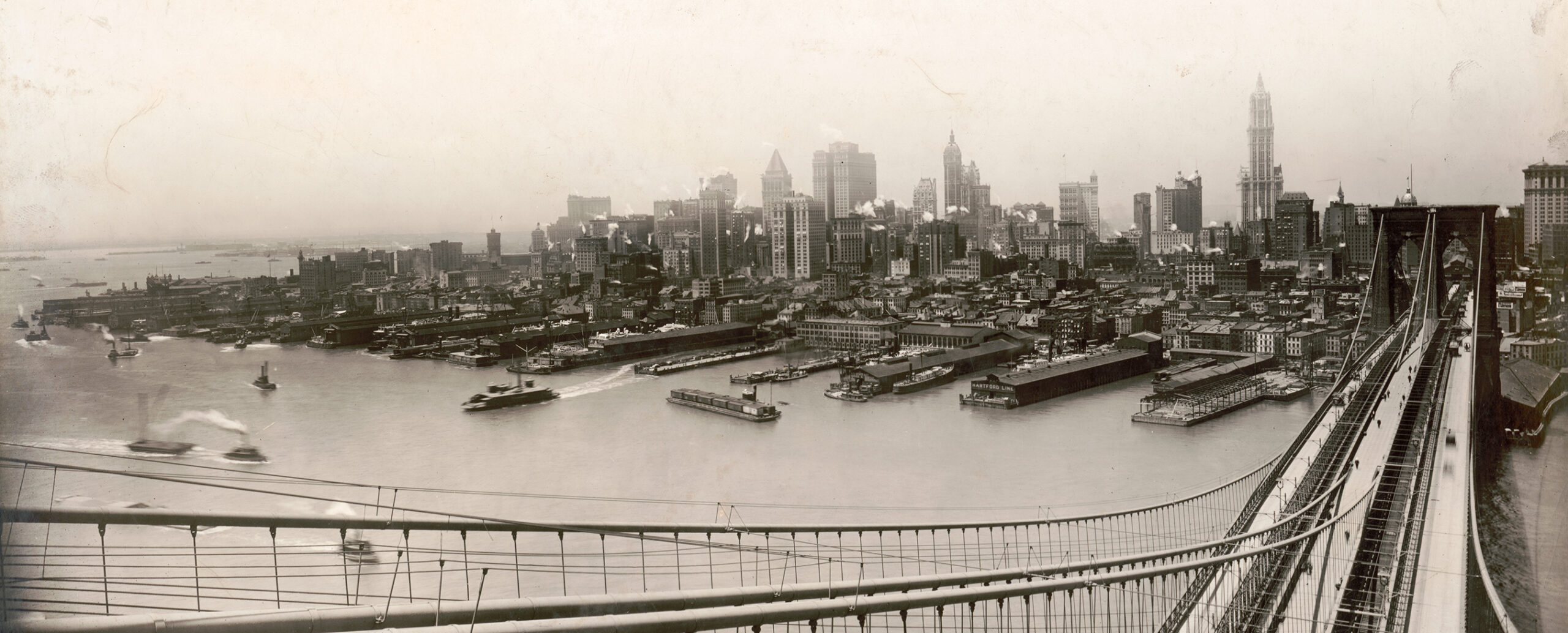
Brooklyn Bridge and skyline of New York City, circa 1918
Industry
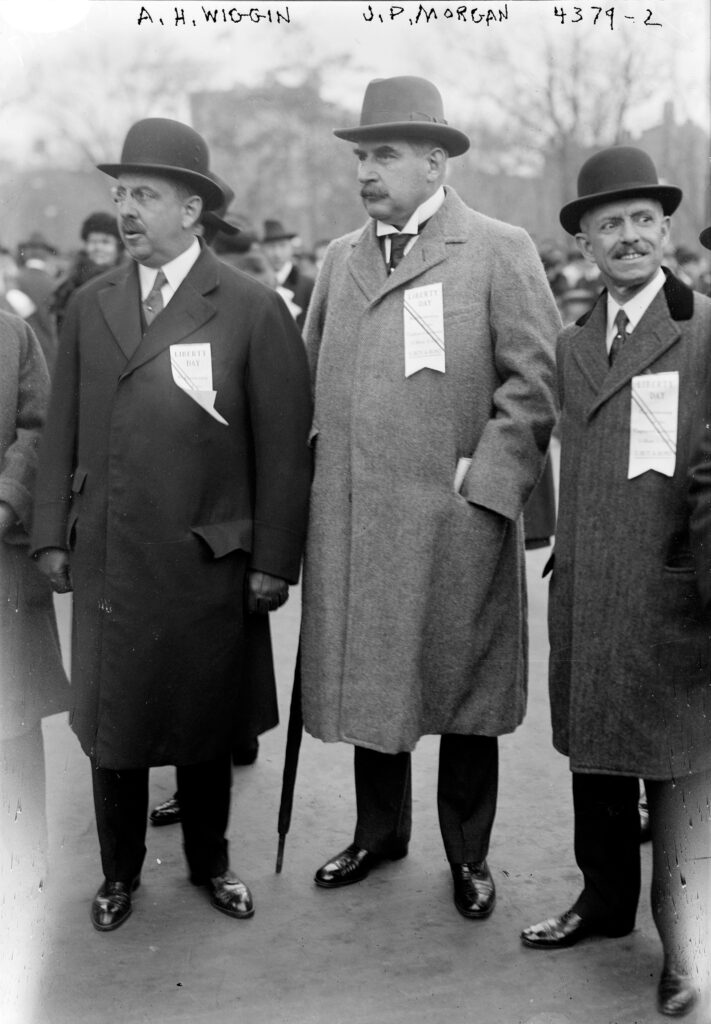
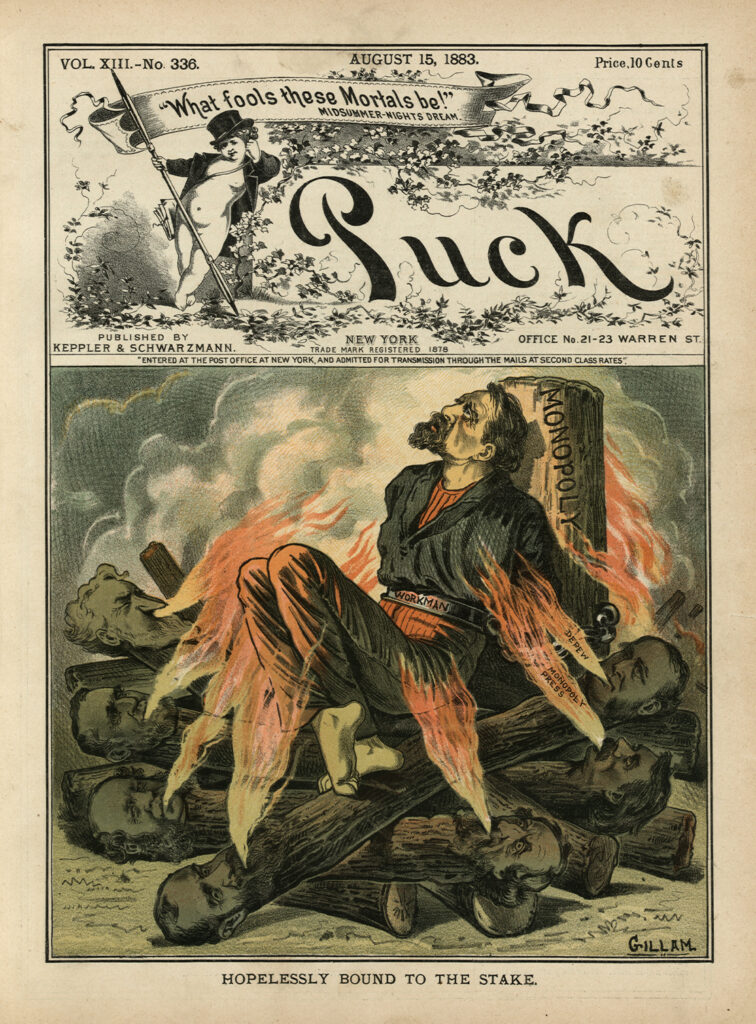
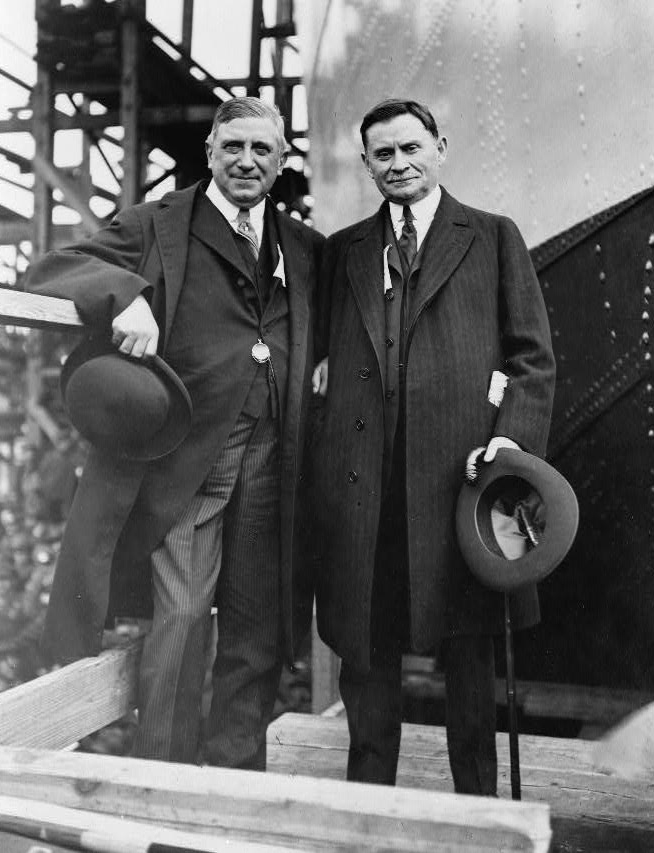
While these industrialists brought tremendous growth to New York City and the nation, their methods also created an immense wealth gap… created monopolies and exploited workers, subjecting them to long hours in unsafe working conditions for low pay. With the turn of the century came change, as the Progressive Movement, of which Theodore Roosevelt was a part and became the figurehead, pushed back against their practices and introduced regulation and reform through such means as antitrust laws and laws that improved labor conditions, including child labor laws.
Morgan reference
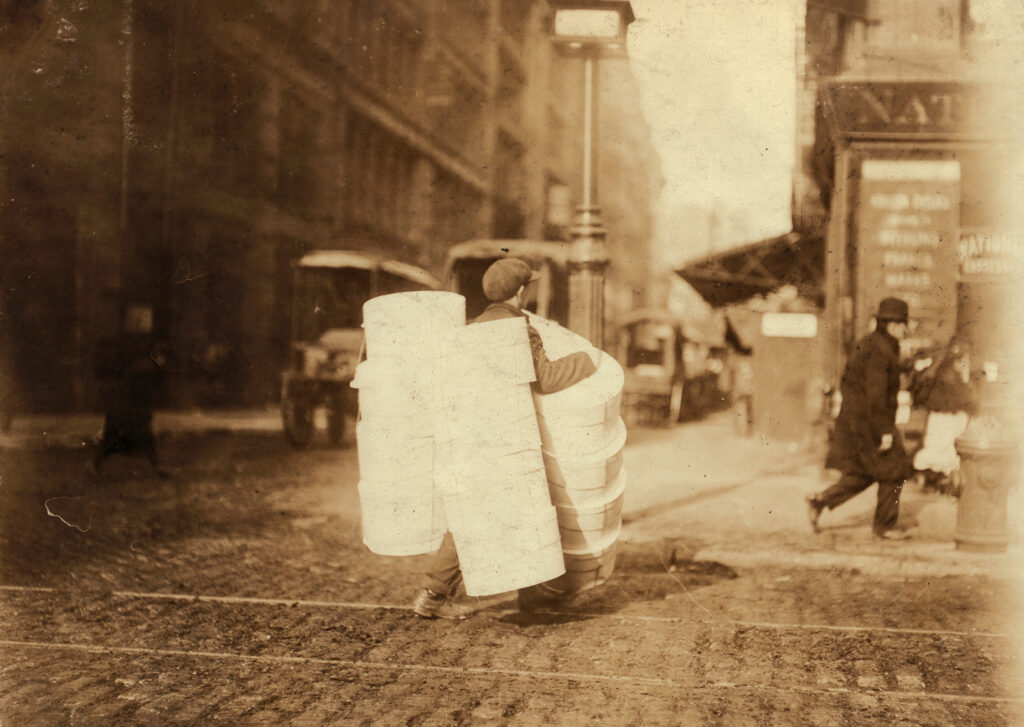
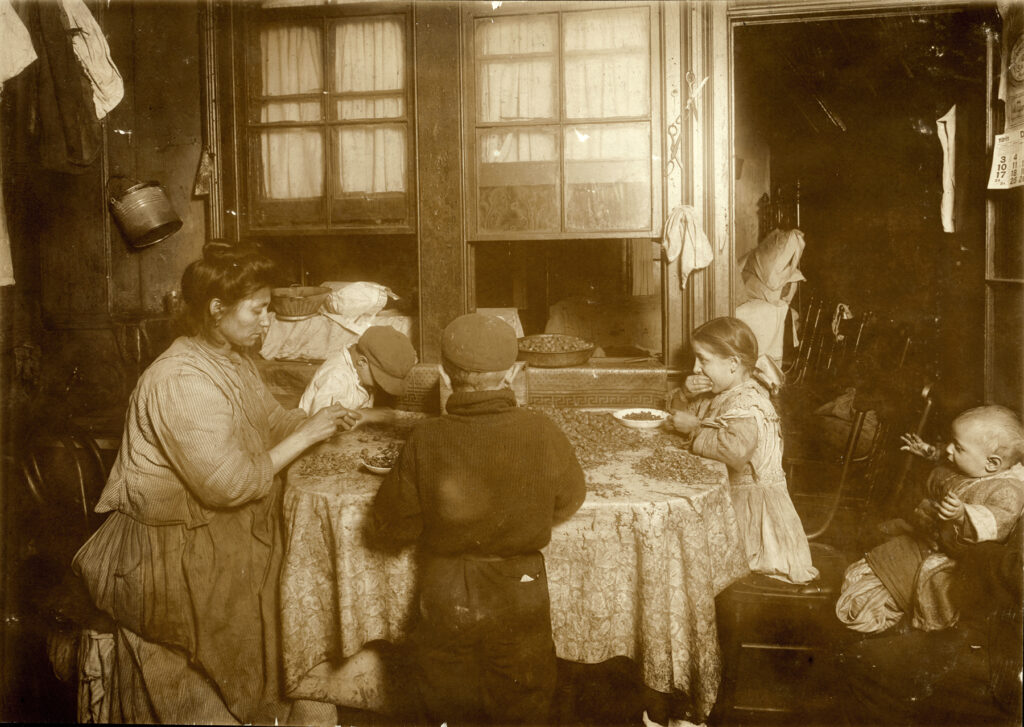
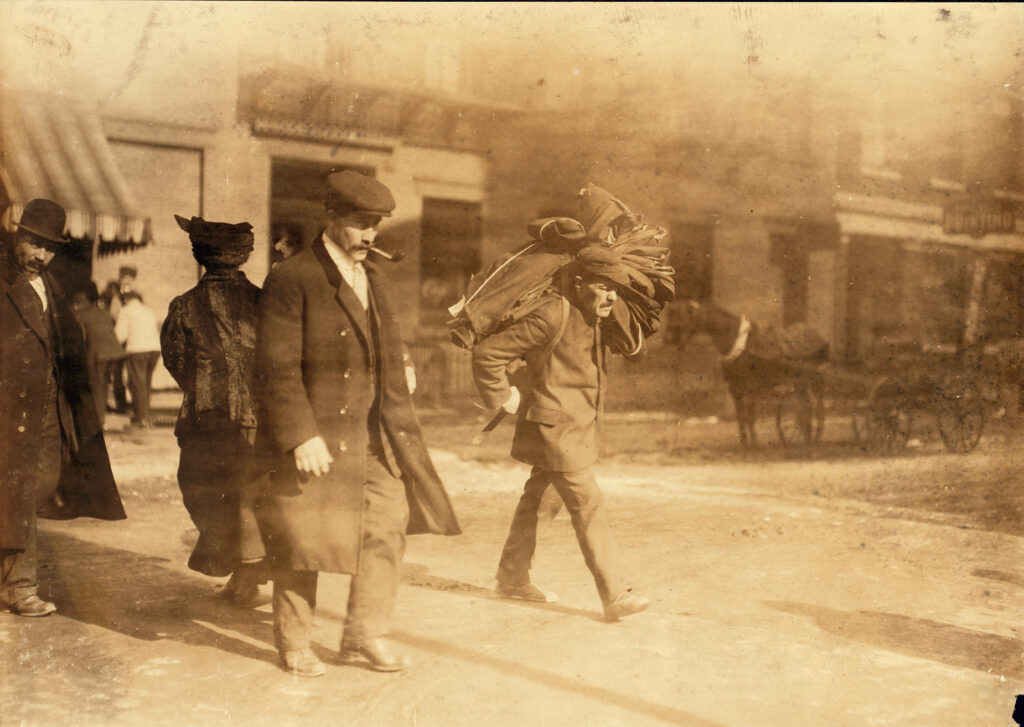
Development
It might be said that New York City was built by the industrialist, but it was really the working class, many of them immigrants, who raised the skyscrapers and dug the subway tunnels.
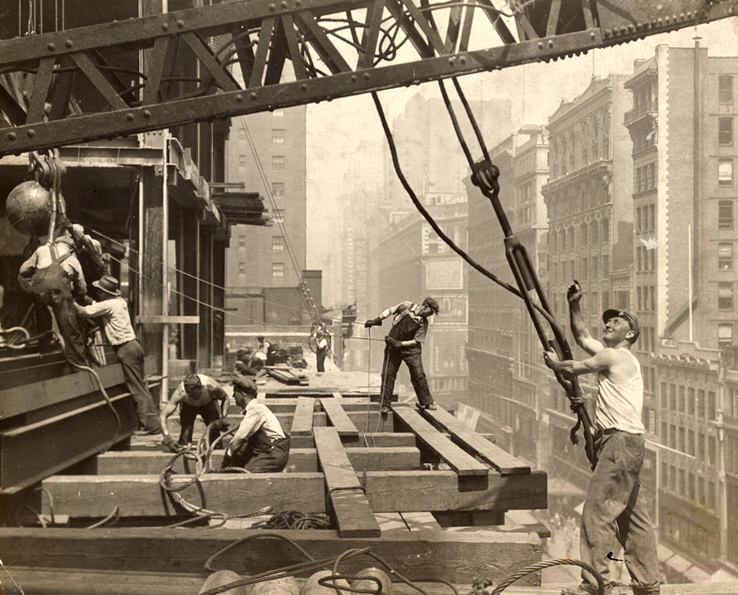
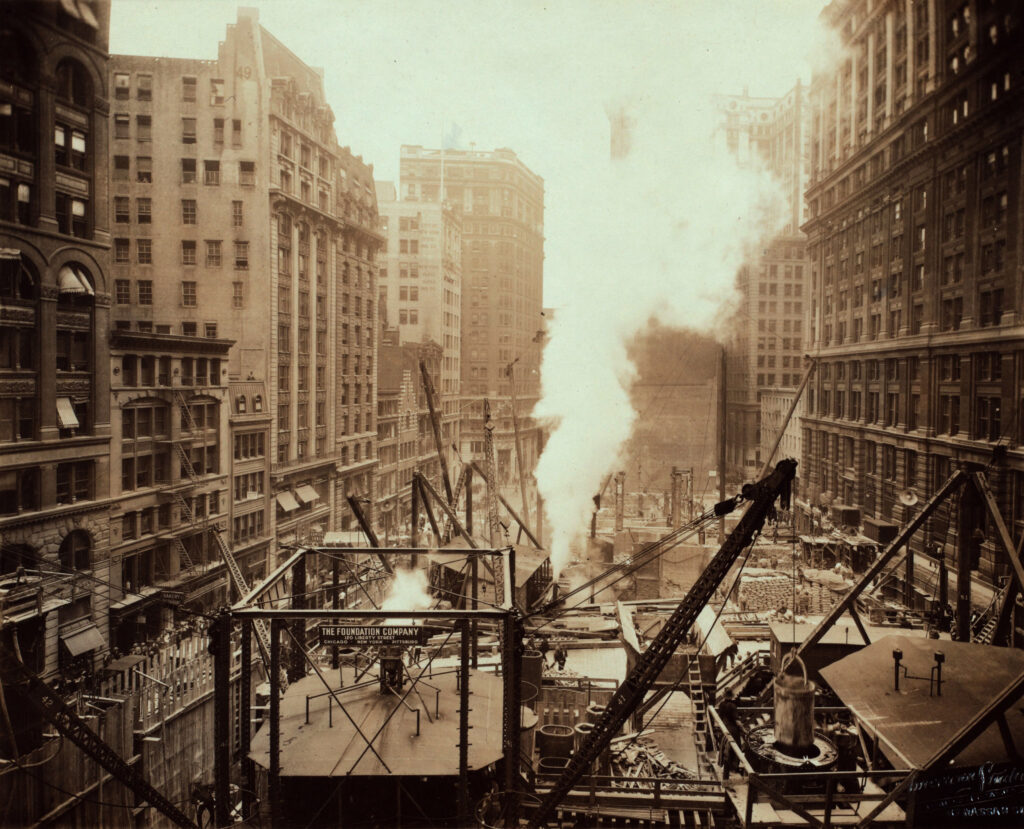
Workers hoisting cable for the construction of the Empire State Building.
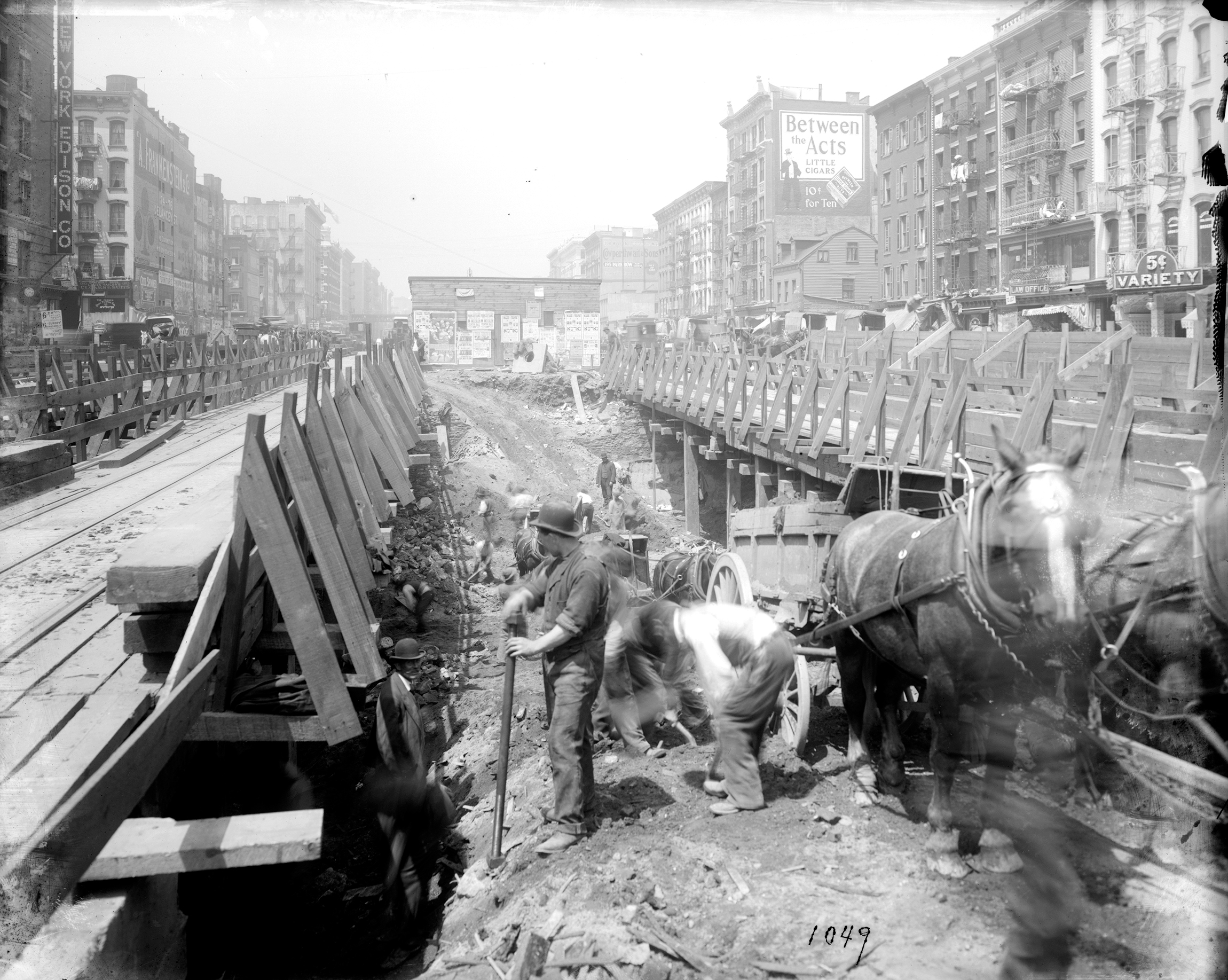
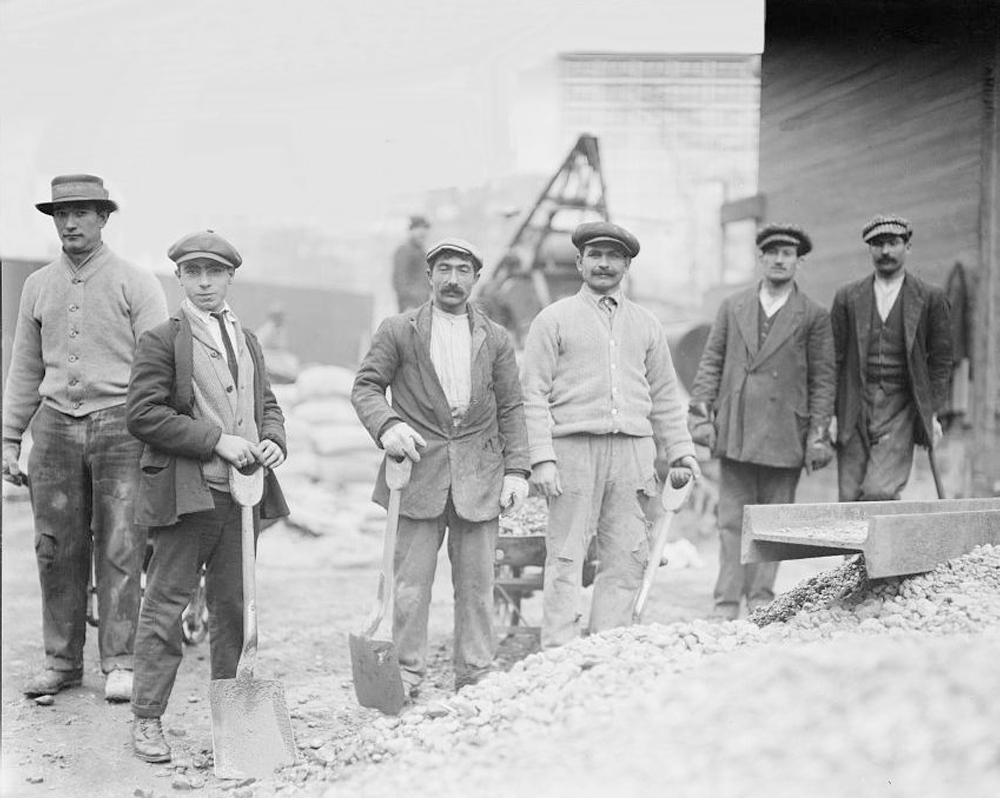
Workers construct the new opening for the Delancey Street subway, 1907.
Works constructing the Alien Subway tunnel, circa 1910-1915
Immagration
12 million immigrants arrived in the United States between 1870 and 1900, from Europe and China. With 70 percent of them entering through New York City, the city became known as the “Golden Door,” with many staying in the city while others moved inland to find work in less populated states in need of laborers (LOC CITE).
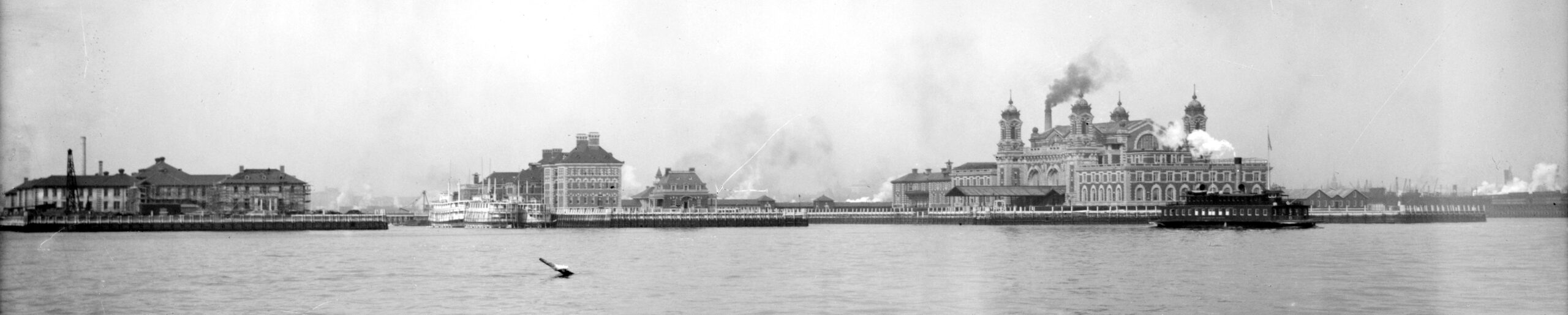
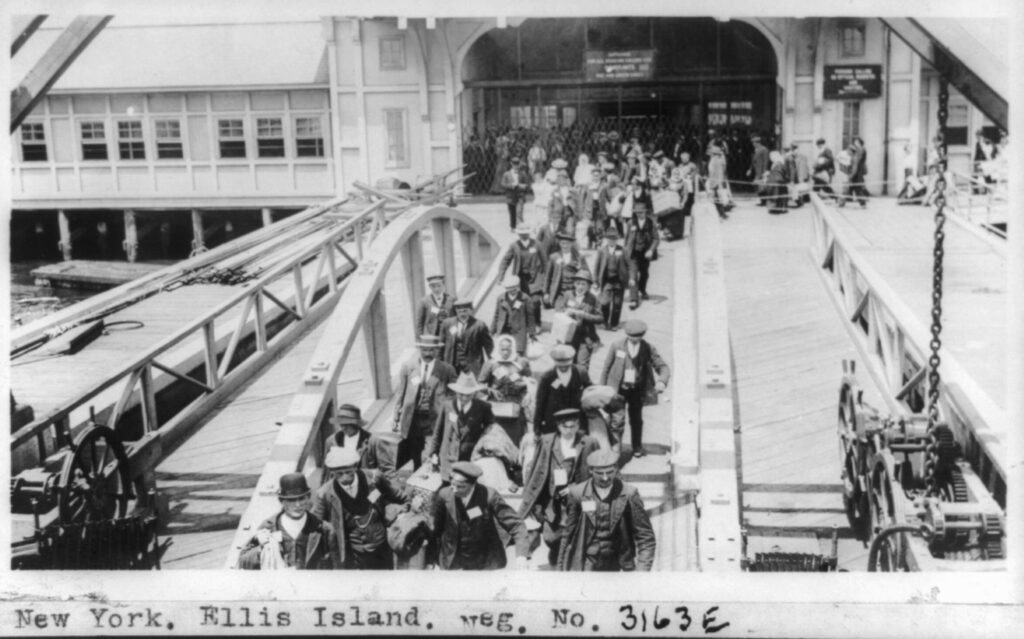
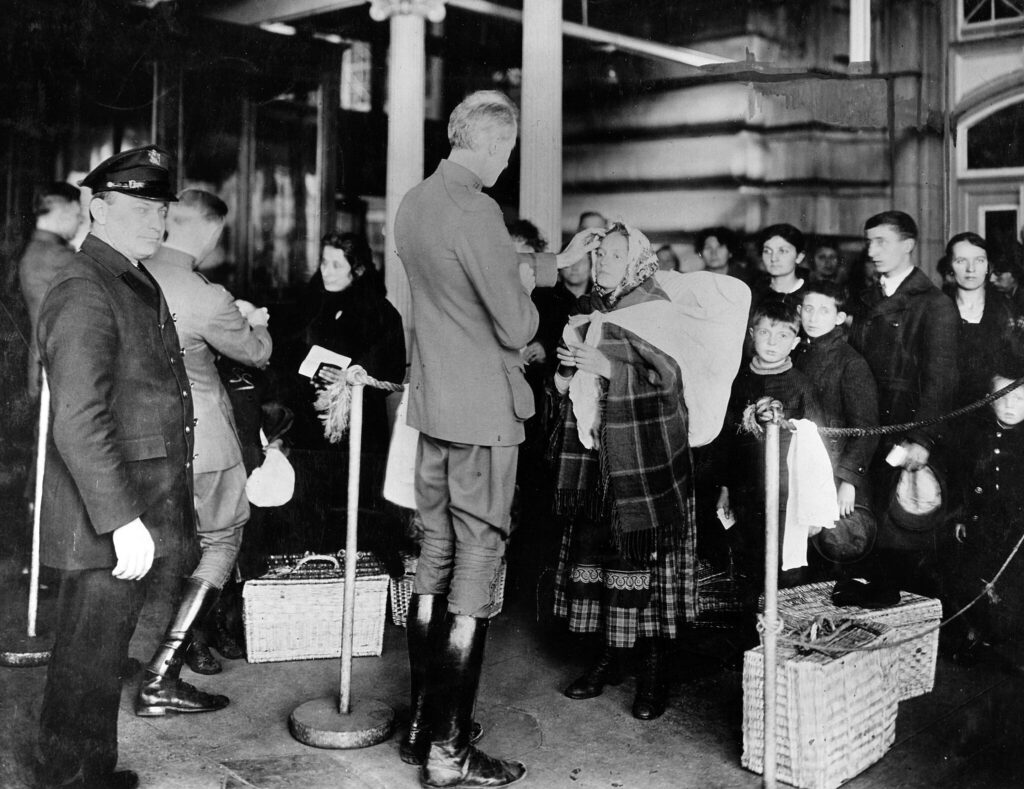
Arriving video https://www.loc.gov/item/00694367
Learn more from the Library of Congress
https://www.unvarnishedhistory.org/national-context/immigration-migration-discrimination
Public Health Innovation
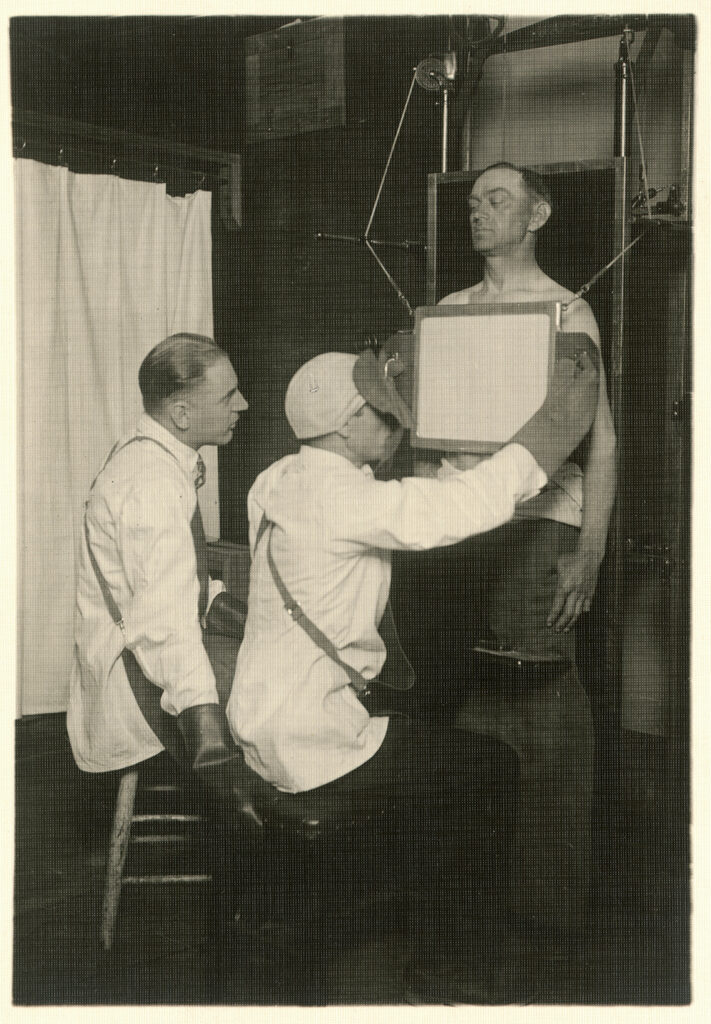
Harlow & Louise Brooks ⇨
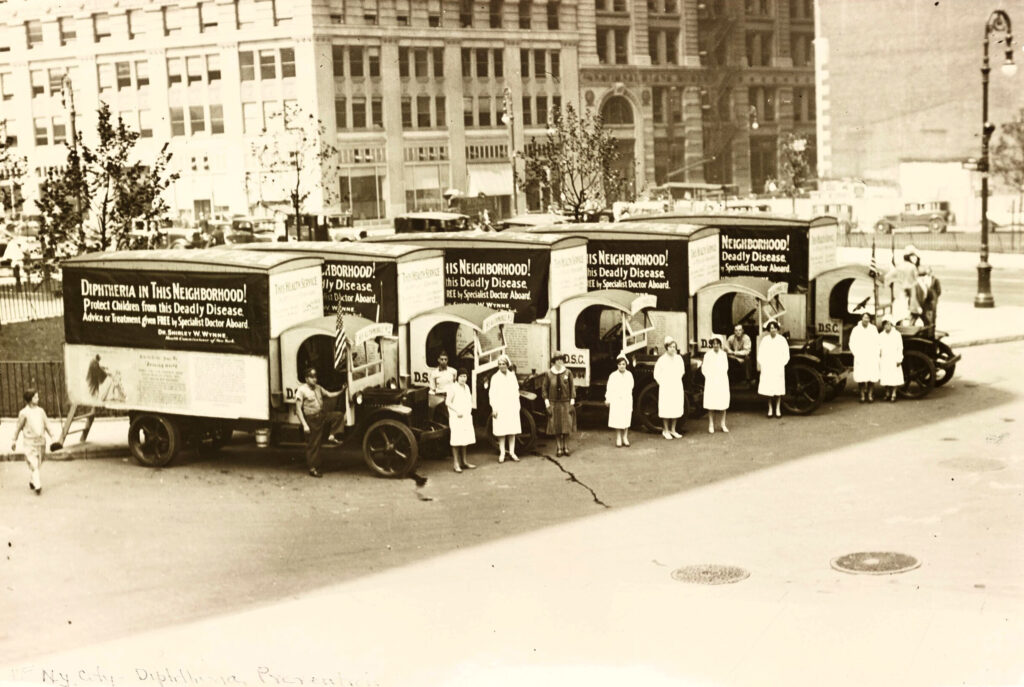
One of the most important innovations that emerged from this time and place was the great advances in public health, as doctors and scientists sought ways to treat and prevent the spread of diseases such as diphtheria and tuberculosis among the rapidly growing population. Advancements in data collection, connecting housing conditions with health…bacteriology….https://www.si.edu/spotlight/antibody-initiative/nyc-health-dept