
Broad searching info, mention “research photos”
I wonder if the NYZS has an archive where I might learn more about McAleenan and the others’ connections to it? The result “The Wildlife Conservation Society Archives” came up when searching, and, as it turns out, the NYZS, which was established in 1895, became the WCS in 1993.
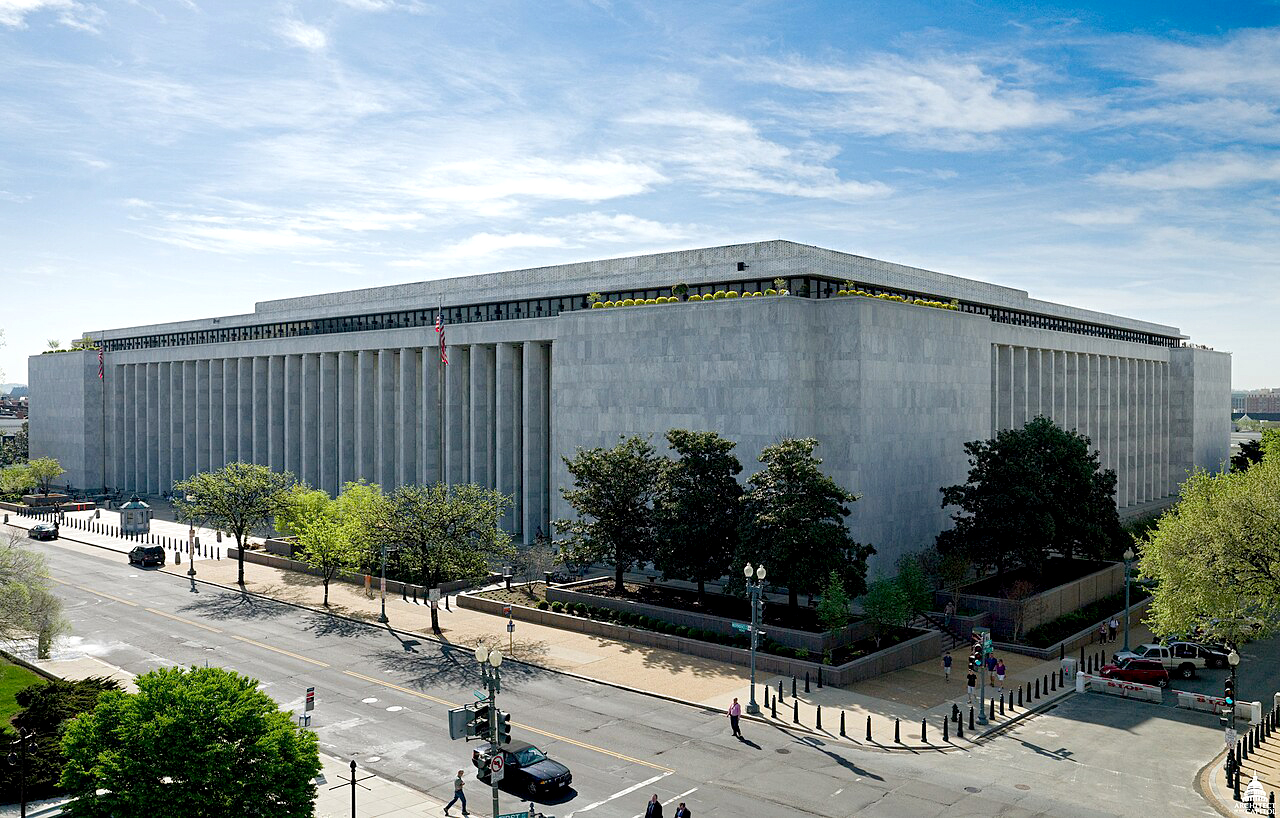
Mention something about the architecture… intimidating
Note the exterior of these places. They look intimidating… Some are stricter than others but all want you to be able to access and work with their materials.
Physicality of archive research, running from one end of Manhattan to the other, getting woosy from not drinking enough waters.
Banff
Upon considering the description “Illustrated by a series of eighteen photographs of Wyoming’s Wilderness and the Canadian Rockies,” I decided to see if there were any archives in Canada with relevant materials. When I simply searched “Canadian archives,” I discovered Archives Canada, and when I search “Joseph McAleenan,” I was led to the Whyte Museum of the Canadian Rockies, whose finding aid revealed a treasure trove of useful materials in the Jimmy Simpson family fonds. (Fonds are similar to collections.)
When searching “Canadian archives” I was also led to Canadiana and Canadiana Héritage, rich online resources greatly assisted with my research into John Murgatroyd, who lived in Montreal [?} there after immagrating to North America and before settling in New York City.
Conducting this same search for Wyoming, not to the discovery of a physical archive, but instead the Wyoming Digital Newspaper Collection, which has a number of articles….
Read more under digital resources…
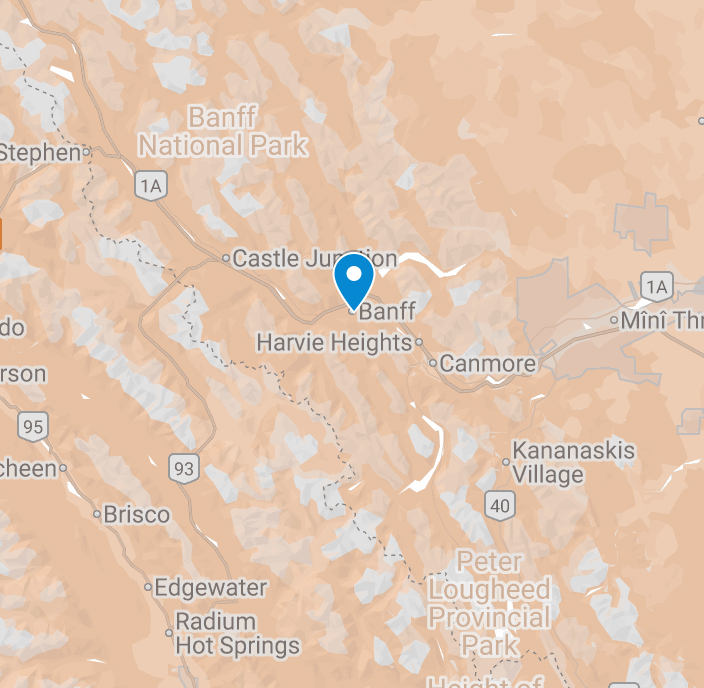
Whyte Museum of the Canadian Rockies Archives
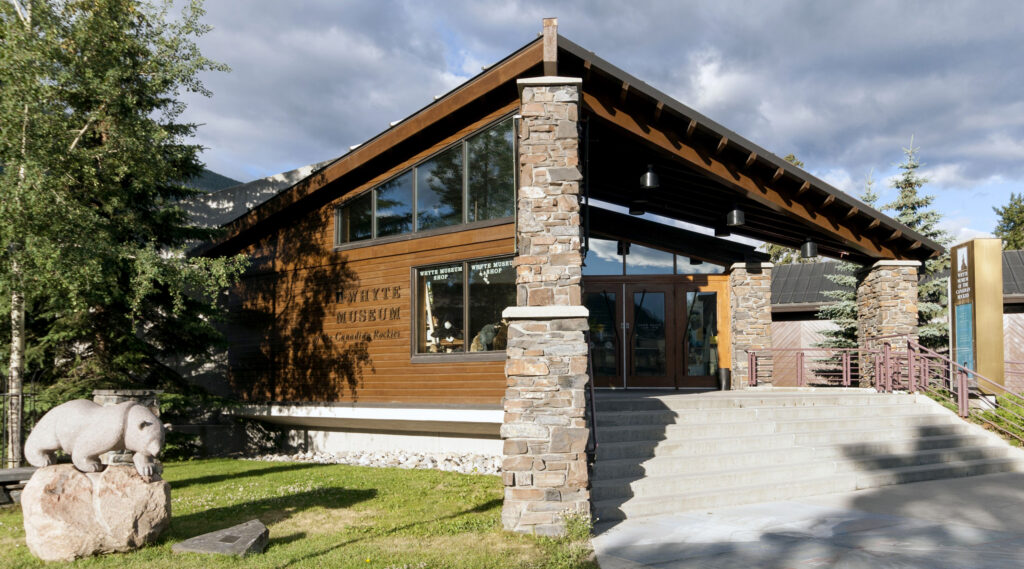
It contained letters between hunting guide, Jimmy Simpson, and McAleenan, Frothingham, Brooks, Murgatroyd[?], Brook’s daughter Ruth and [name?] Simpson’s wife [?], photographs taken by McAleenan and his friends, documents that brought light to the hunting business, and much more.
The Explorer’s mention of the images being from the Canadian Rockies led to the thought, “I wonder if Canada has a way of searching across their archives?”
Search: “Canadian Archives” and the Archives Canada site is found.
“Joseph McAleenan,” “Joe McAleenan,” McAleenan, Jimmy Simpson Fond, “McAleenan family”
New York
Searching for McAleenan, Frothingham, and Brooks in HathiTrust and the Internet Archive revealed that they had been members of the Explorers Club, which is based in New York, and that McAleenan and Brooks were members of the New York Zoological Society (NYZS), while Brooks, a well-respected medical doctor, was also a part-time veterinarian in the Society’s zoological park (known today as the Bronx Zoo.) I searched and found that both have accessible archives.
Wanting to make the most of my time in New York, I sought out other research possibilities. I thought about the fact that Patrick J. Hayes, to whom The Explorer is inscribed, was the Archbishop of New York, and that there was no doubt that the Archdiocese of New York Archive. Then I thought about the New York Public Library, which has rich collections of rare and unique materials; perhaps they have something. Then I had a conversation with a wise family member—someone highly knowledgeable of New York culture and museums—who suggested I see if the Morgan Library might have anything relevant.
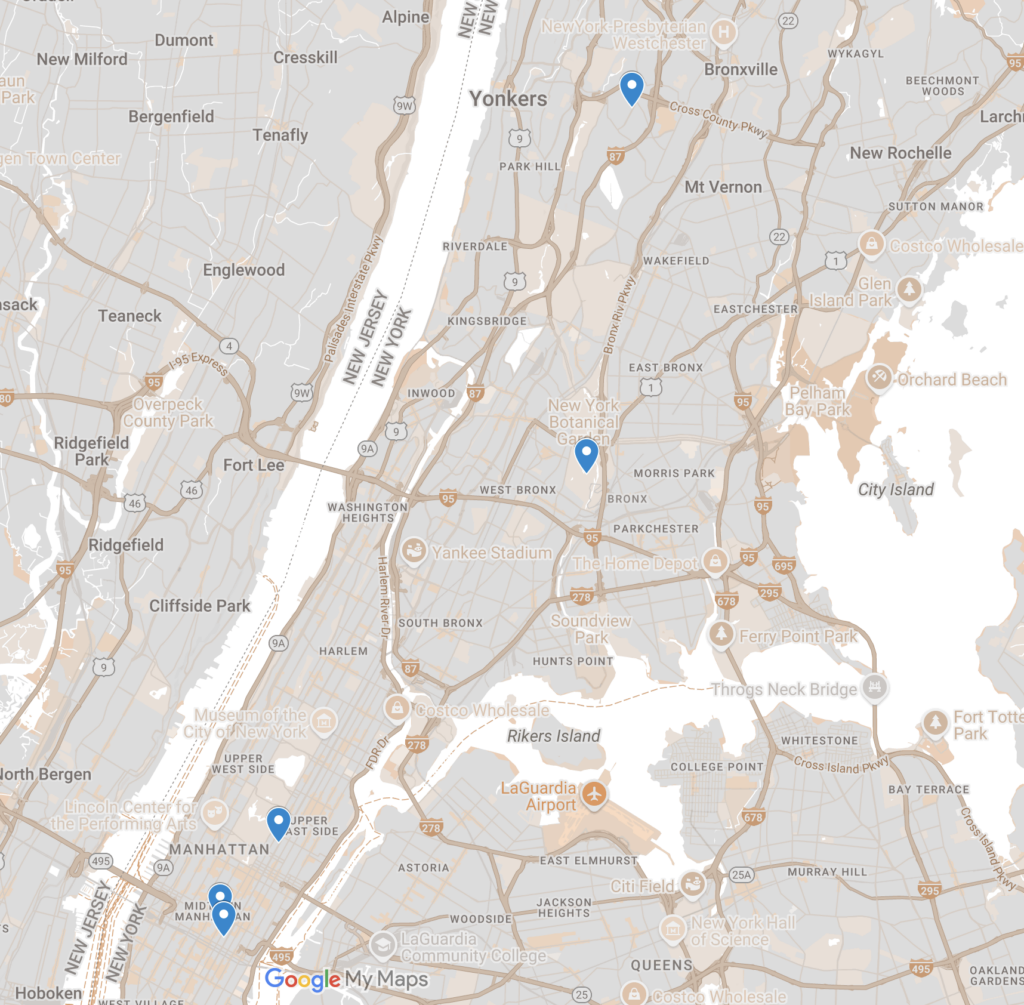
Going from north to south: the Archdiocese of New York, the Wildlife Conservation Society Archives (in the Bronx Zoo), the Explorers Club, the New York Public Library (Schwarzman Building), and the Morgan Library & Museum. (Click on the map to link to an interactive version.
Wildlife Conservation Society Archives
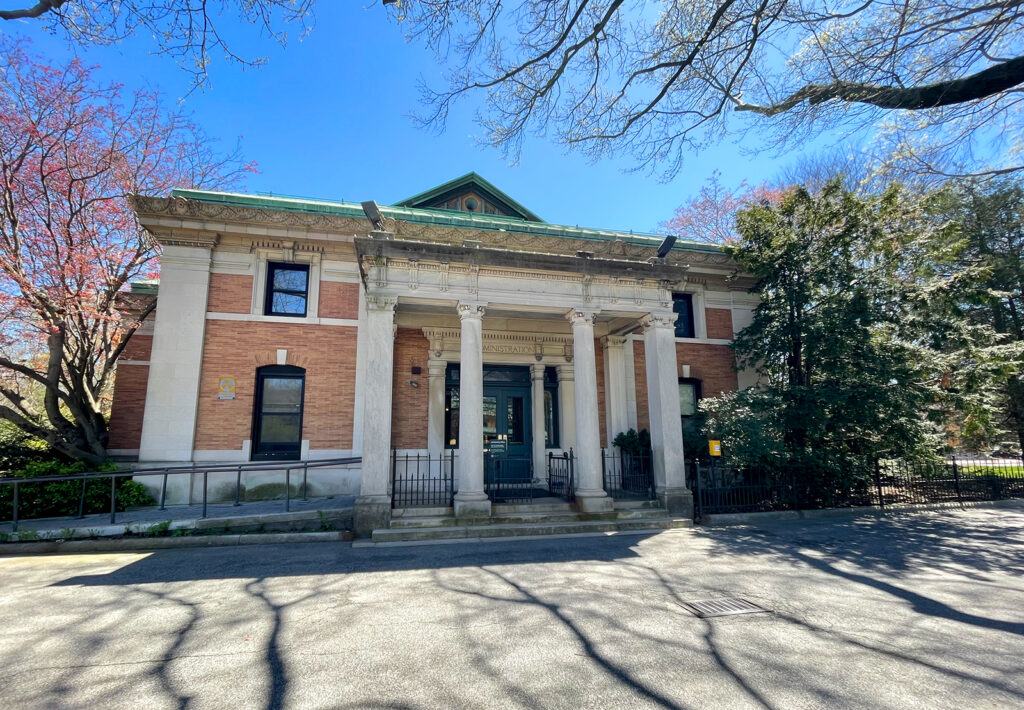
I was able to search the finding aids of the Wildlife Conservation Society’s (WCS) archive. (The NYZS became the WCS in 1993).
Explorers Club
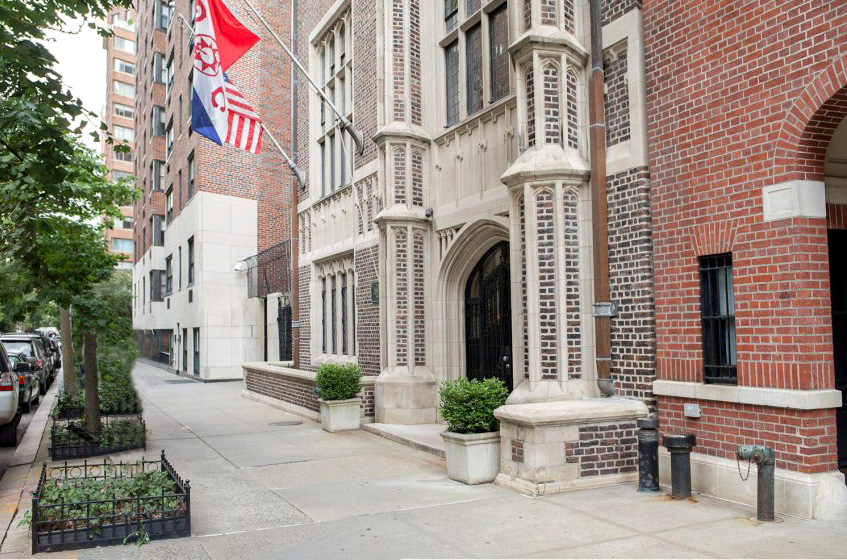
While I needed to email the Explorers Club to learn about what relevant materials they had (they were very helpful),
The Explorers Club did not have online finding aids, so an email was sent to establish contact and inquire about what was available, which turned out to be records concerning the membership of McAleenan and his son, Austin, Brooks, and Frothingham. There were also meeting minutes from their time and mentions of them in the Explorers Club Journals.
Between the reading room and collections storage being in the same space and the building’s historical feel, the space was quaint and comfortable.
New York Public Library
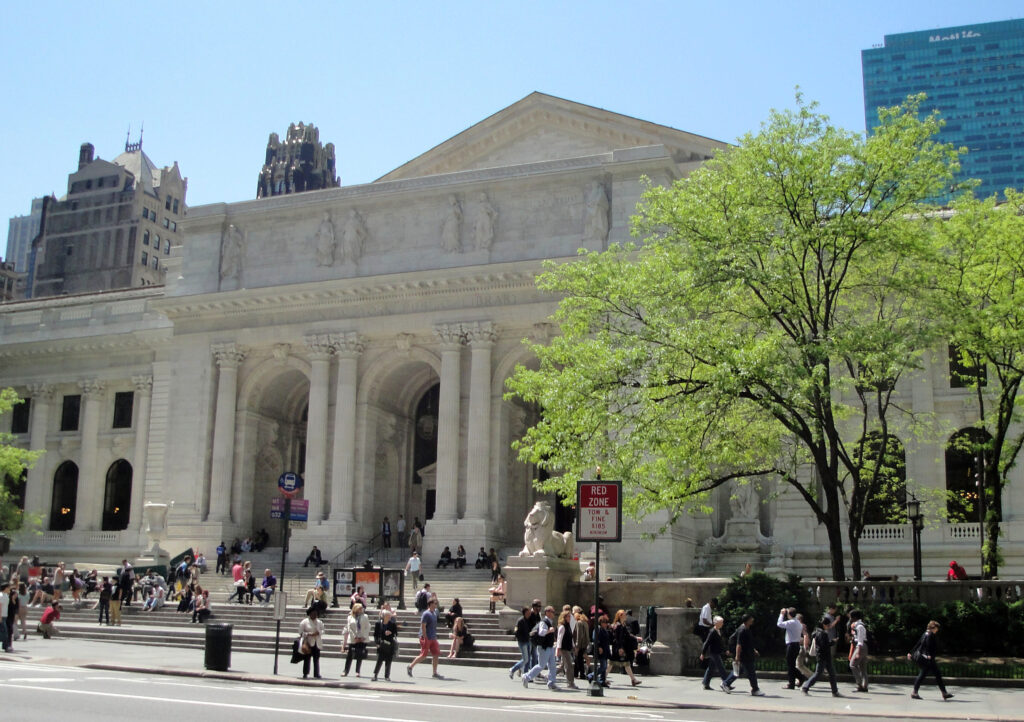
The New York Public Library is a wonderful institution with rich physical and digital collections, which I also used for this project. Even knowing this, I was shocked to discover how many relevant materials they had.
Searching the many people I was researching in the Library’s catalog, led to me discovering that they had McAleenan’s Leaves of a Wyoming Diary (one of the many diaries he had privatly published), Nichol’s book catalogs from his time in England and a number of his published first editions, including Novels and fairy tales of Oscar Wilde, Fifty drawings by Aubrey Beardsley, The Book of the Thousand Nights and a Night, The Rubaʼiyat of Omar Khayyām, The True Life of Capt. Sir Richard F. Burton. They also had Frothingham’s Songs of Adventure, Around the World, and Trails Through the Golden West, as well as Brooks‘ book, Do’s and Don’ts for New Soldiers.
The Morgan Library & Museum
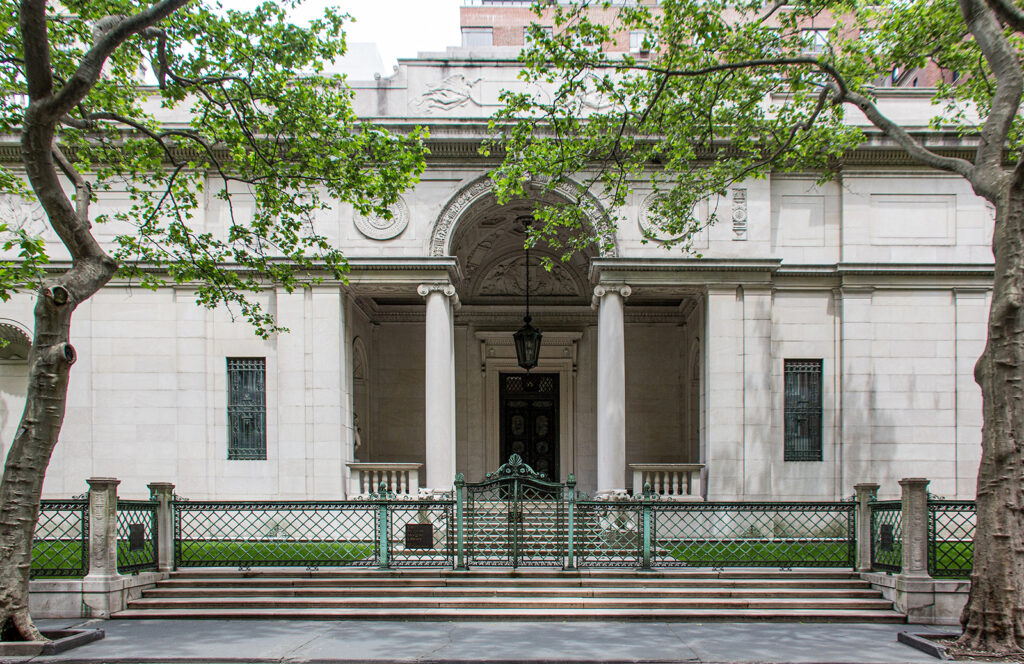
Upon mentioning my research to a highly knowledgeable family member, she suggested I see if the Morgan Library had anything relevant, and it did. A search of their catalog led to the discovery of thirteen letters exchanged between HS Nichols and Belle da Costa Greene, Morgan’s renowned librarian, discussing book sales for JP Morgan’s collections.
What’s the lesson here? Talk to people about your research. You never know what you will learn, a phenomenon that I also experienced when visiting the Morgan Library.
Archdiocese of New York Archive
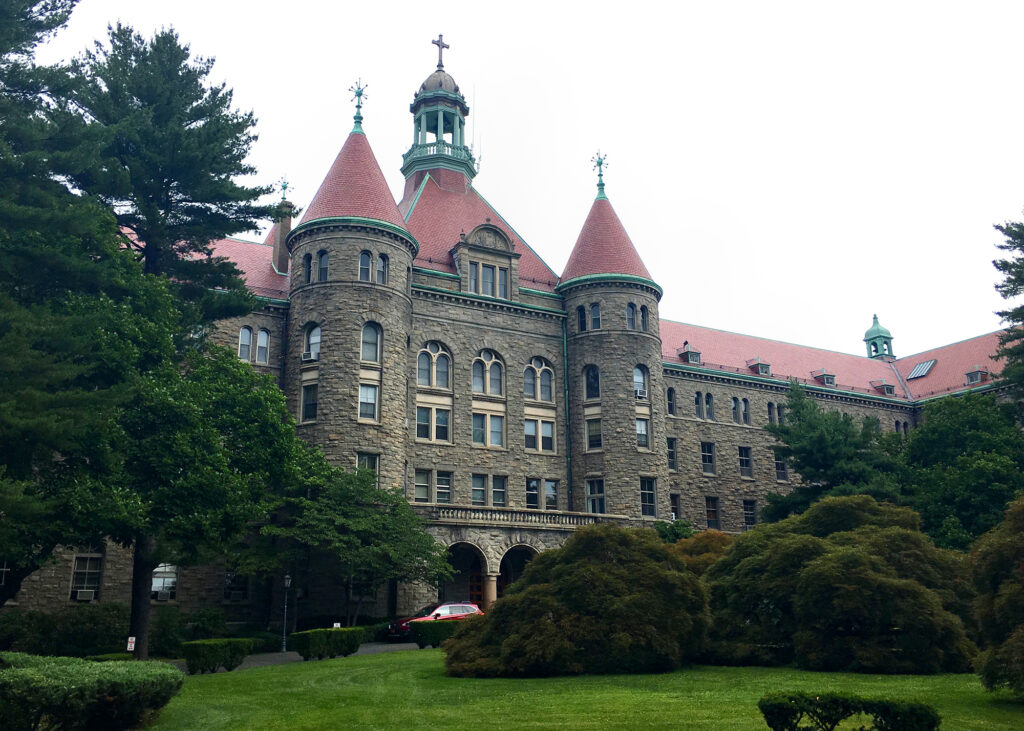
there wasn’t a publicly available finding aid, I received a helpful list of collections after contacting them.
Lorem ipsum dolor sit amet, consectetur adipiscing elit, sed do eiusmod tempor incididunt ut labore et dolore magna aliqua. Ut enim ad minim veniam, quis nostrud exercitation ullamco laboris nisi ut aliquip ex ea commodo consequat. Duis aute irure dolor in reprehenderit in voluptate velit esse cillum dolore eu fugiat nulla pariatur. Excepteur sint occaecat cupidatat non proident, sunt in culpa qui officia deserunt mollit anim id est laborum.
Los Angeles
Lorem ipsum dolor sit amet, consectetur adipiscing elit, sed do eiusmod tempor incididunt ut labore et dolore magna aliqua. Ut enim ad minim veniam, quis nostrud exercitation ullamco laboris nisi ut aliquip ex ea commodo consequat. Duis aute irure dolor in reprehenderit in voluptate velit esse cillum dolore eu fugiat nulla pariatur. Excepteur sint occaecat cupidatat non proident, sunt in culpa qui officia deserunt mollit anim id est laborum.
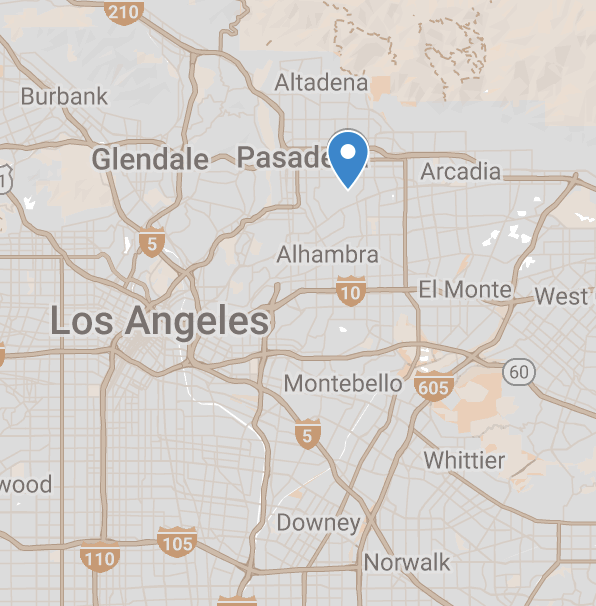
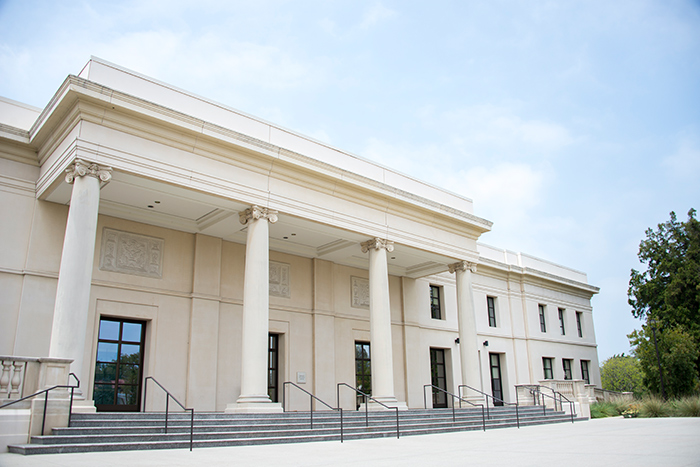
The Huntington Library
Lorem ipsum dolor sit amet, consectetur adipiscing elit, sed do eiusmod tempor incididunt ut labore et dolore magna aliqua. Ut enim ad minim veniam, quis nostrud exercitation ullamco laboris nisi ut aliquip ex ea commodo consequat. Duis aute irure dolor in reprehenderit in voluptate velit esse cillum dolore eu fugiat nulla pariatur. Excepteur sint occaecat cupidatat non proident, sunt in culpa qui officia deserunt mollit anim id est laborum.
Washington DC
Lorem ipsum dolor sit amet, consectetur adipiscing elit, sed do eiusmod tempor incididunt ut labore et dolore magna aliqua. Ut enim ad minim veniam, quis nostrud exercitation ullamco laboris nisi ut aliquip ex ea commodo consequat. Duis aute irure dolor in reprehenderit in voluptate velit esse cillum dolore eu fugiat nulla pariatur. Excepteur sint occaecat cupidatat non proident, sunt in culpa qui officia deserunt mollit anim id est laborum.
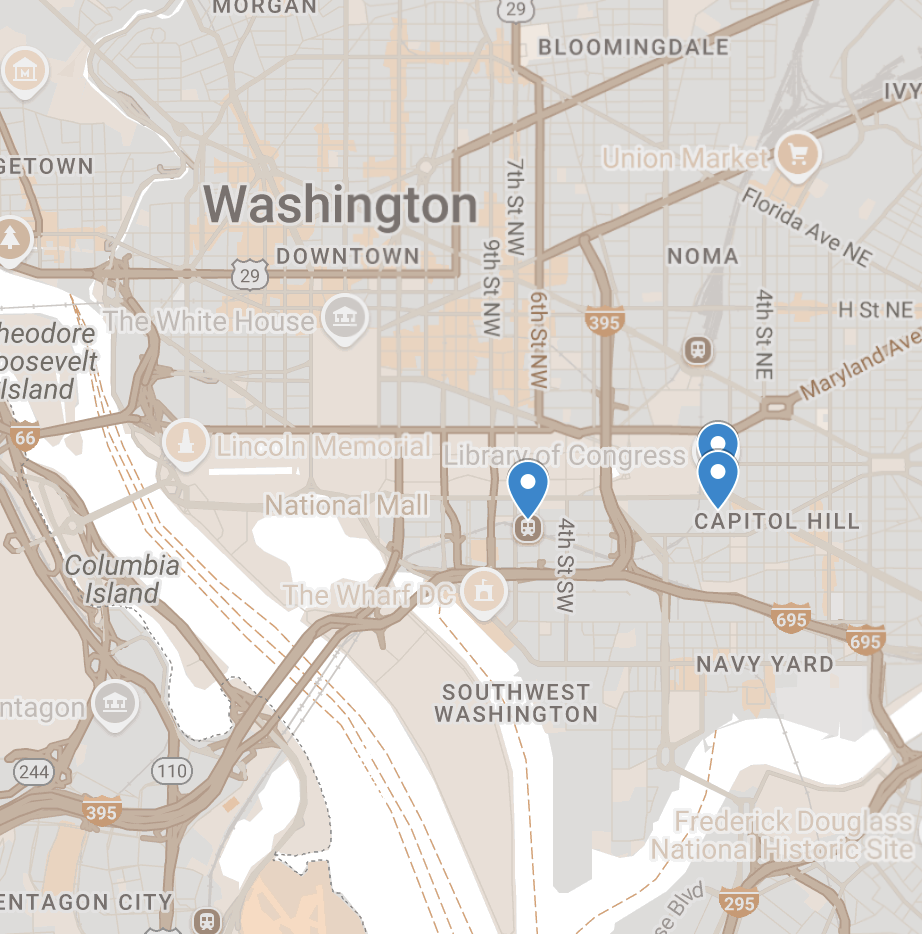
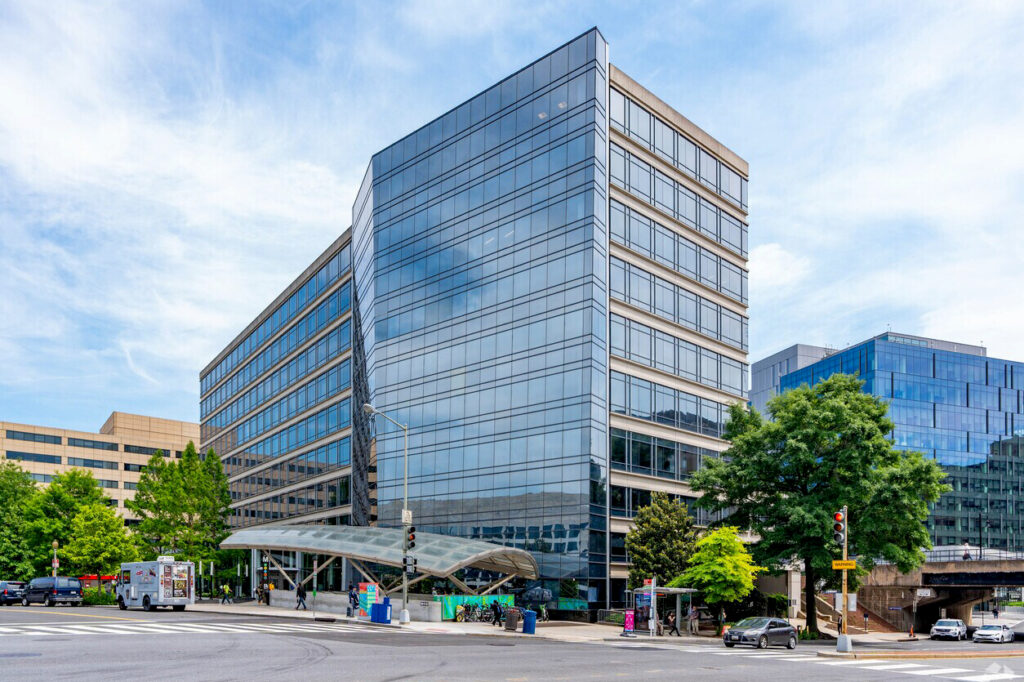
Smithsonian Institution Archives
Having discovered William T. Hornaday as a significant figure within the context of my research—he was the director of the New York Zoological Park and a major figure in the conservation movement—I learned along the way that he had been … a taxidermist and —- at the Smithsonian’s Natural History Museum … Zoological Park
Knowing there would be some kind of institutional archive, I searched “Smithsonian Archives” and easily discovered not just the physical place but also a rich collection of online resources, including digitized photographs. Here I found finding aids that gave me insight into the physical materials I could only see by visiting.
Library of Congress Folklife Center
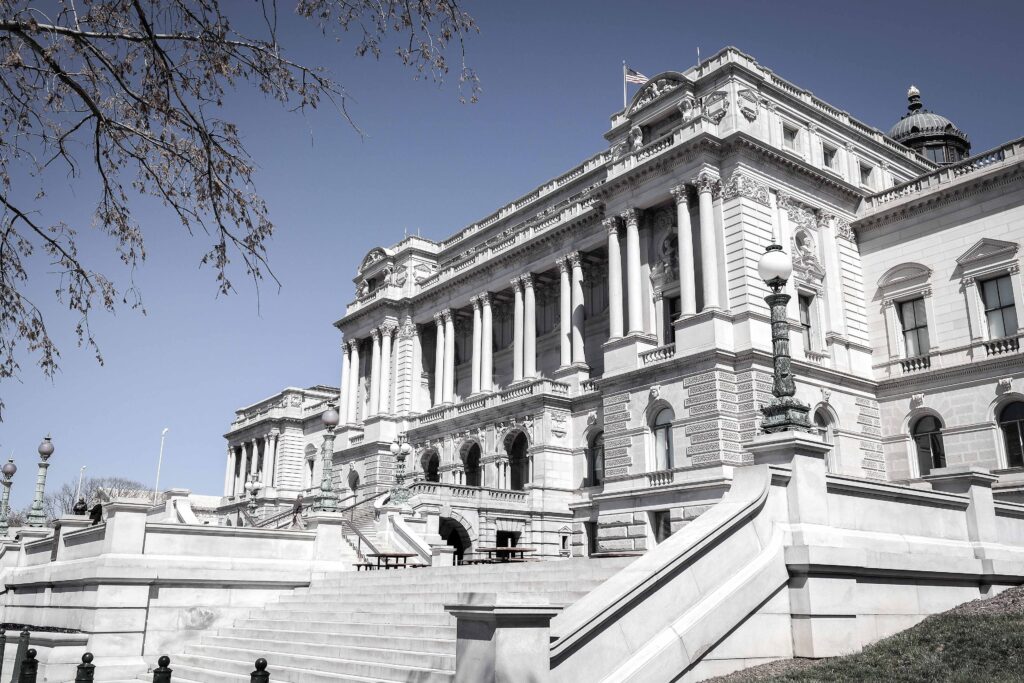
Library of Congress Manuscript Reading Room
Because it is such a vast resource, I searched for “Ruth Walker Brooks” on the Library of Congress’ website, as I did with most of the people I was researching. It resulted in a single blog post, one about Gloria Hollister. This made sense to me, given that I knew from my research in the Wildlife Conservation Society Archive that Ruth had been on one of Hollister’s expeditions to British Guiana, now Guyana, as a staff artist.* There wasn’t anything about Ruth in the post, except for her name in an image caption, which reads: “Ruth Walker Brooks (artist) and Gloria Hollister, Kaieteur Falls, Guyana 1936. Photograph from the Gloria Hollister Anable papers, 1916-2003. Manuscript Division, Library of Congress” (CITATION).
Again, I searched the LOC website, this time for “Gloria Hollister Anable papers,” and was led to the collection’s finding aid, where I didn’t see any mention of Ruth, but I did see the British Guiana expedition, and, being optimistic, I thought there had to be something there, and, it turned out, there certainly was.
*It was common for staff artists to accompany scientific expeditions even after the advent of photography, because cameras couldn’t render true color and failed to capture aspects of nature as faithfully as artists could.
Philadelphia
Lorem ipsum dolor sit amet, consectetur adipiscing elit, sed do eiusmod tempor incididunt ut labore et dolore magna aliqua. Ut enim ad minim veniam, quis nostrud exercitation ullamco laboris nisi ut aliquip ex ea commodo consequat. Duis aute irure dolor in reprehenderit in voluptate velit esse cillum dolore eu fugiat nulla pariatur. Excepteur sint occaecat cupidatat non proident, sunt in culpa qui officia deserunt mollit anim id est laborum.
Book https://bc.primo.exlibrisgroup.com/permalink/01BC_INST/199758v/alma99138589620901021
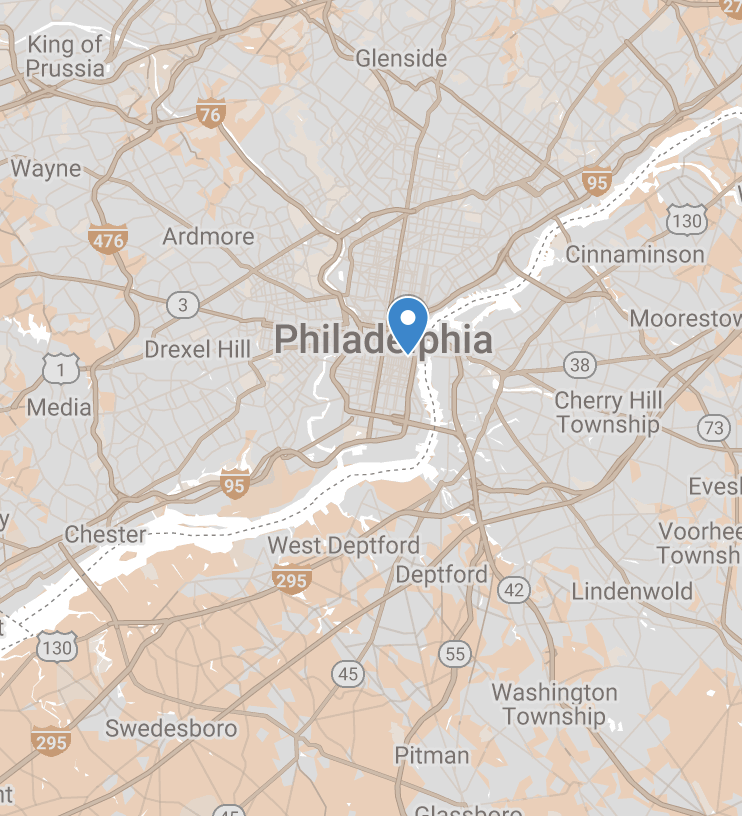
Philadelphia Presbyterian Historical Society
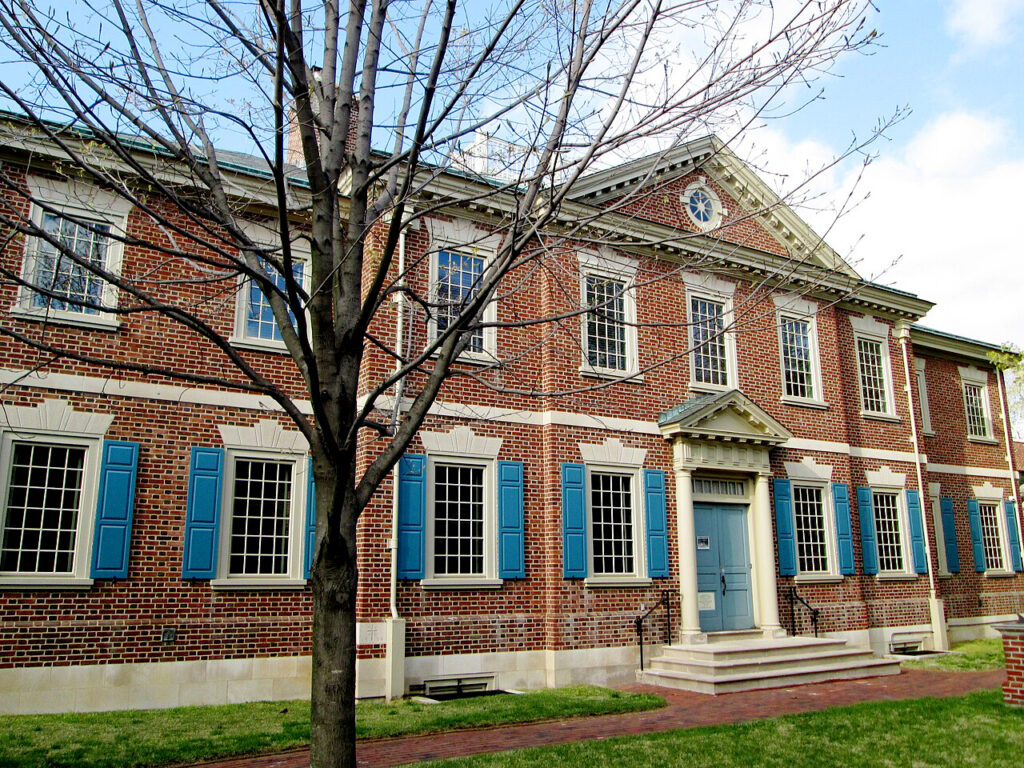
My visit to the Philadelphia Presbyterian Historical Society literally started with a footnote. After searching “Harlow Brooks” in Google Books and going through the several pages of results, I stumbled upon the book, Medicine Women: The Story of the First Native American Nursing School, which briefly mentions Brooks’ contribution to the … and within its footnoted citations it listed: “Ganado Mission Records, RG 550, Presbyterian Historical Society, Philadelphia, Pennsylvania.”
I found searching Brooks’ name in Google Books
← What You Need to Know |Whyte Museum of the Canadian Rockies Archives→