
It was still the Wild West in those days, the Far West, the West of Owen Wister’s stories and Frederic Remington’s drawings, the West of the Indian and the buffalo-hunter, the soldier and the cow-puncher. ‘That land of the West has gone now, “‘gone, gone with lost Atlantis,” gone to the isle of ghosts and of strange dead memories. – TR, Autobiography, Chapter 4, “In Cowboy Land” (94)
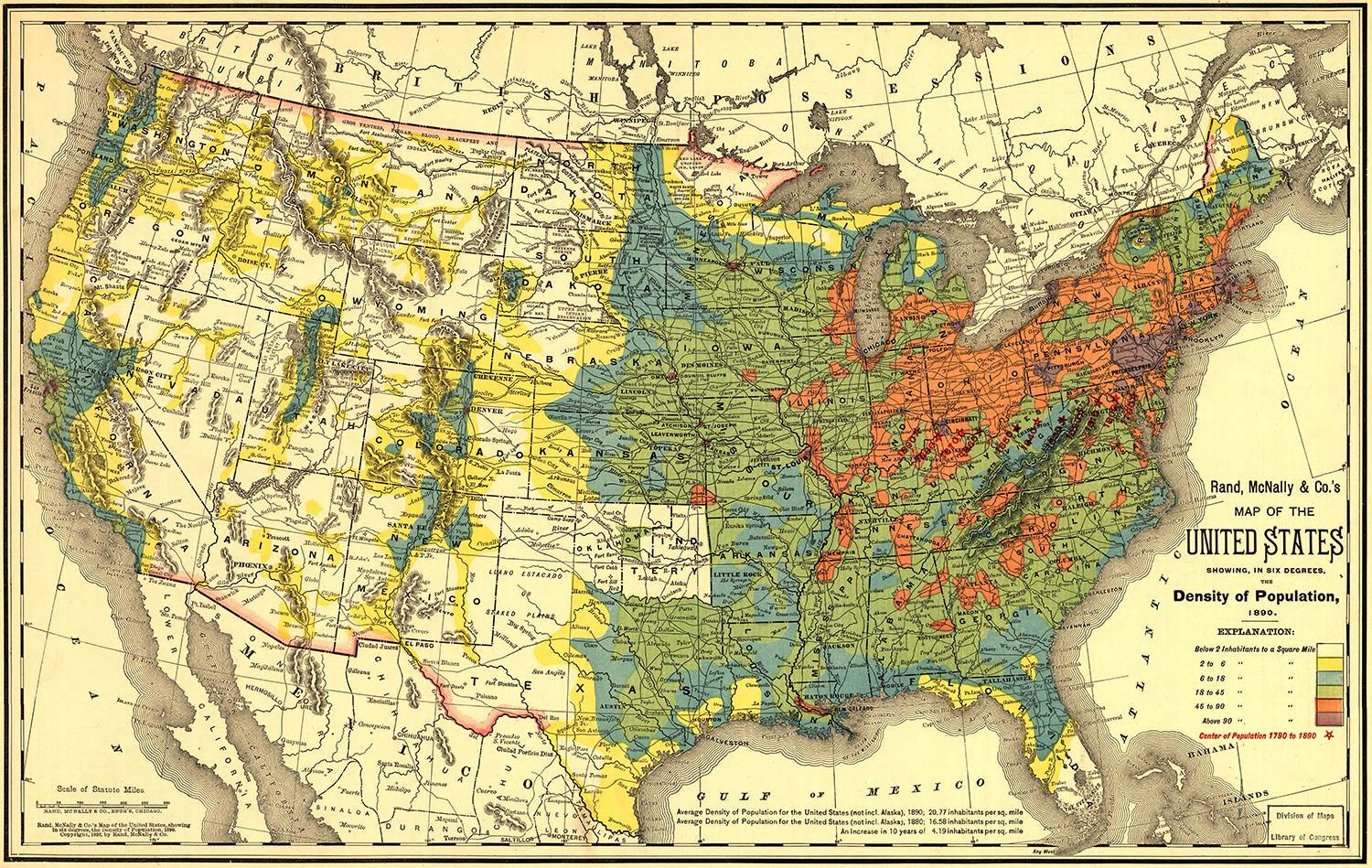
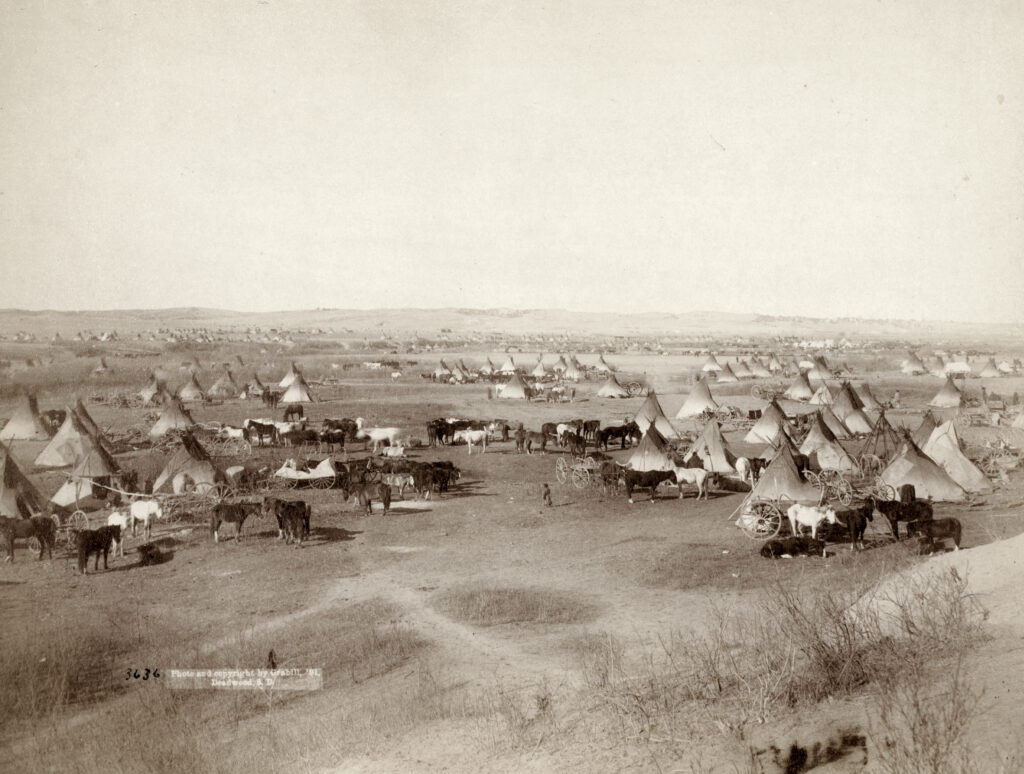
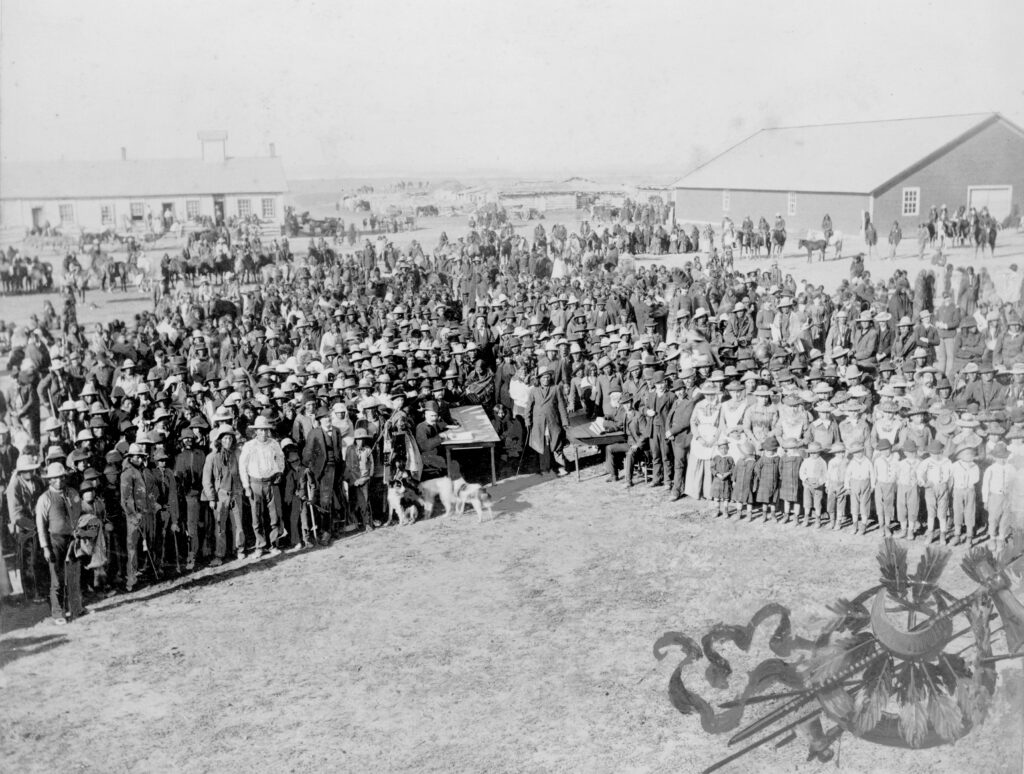
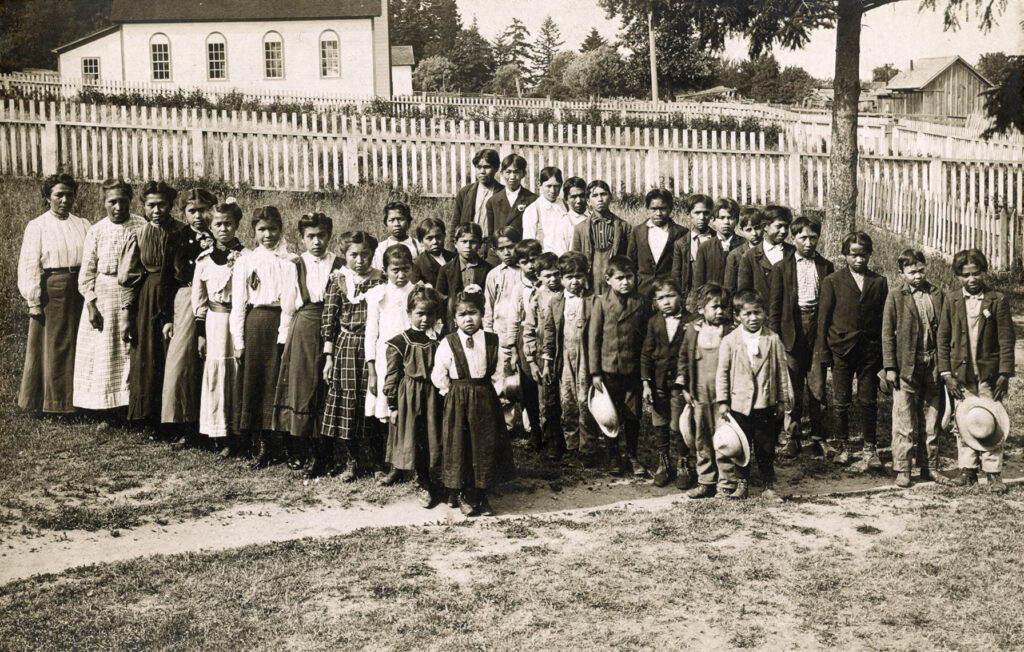
Throughout the 19th century, Native Americans faced systematic dispossession, forced removal, and massacre as part of a deliberate U.S. government campaign to clear land for white settlement and expansion. The Indian Removal Act of 1830 forcibly displaced tens of thousands of Indigenous people from their ancestral homelands, and violence against Native communities continued for decades, culminating in the massacre at Wounded Knee in 1890. Those who were not killed were confined to reservations — often barren, isolated parcels of land far from their ancestral territories — where poverty, disease, and federal neglect devastated communities. For those who survived, the government pursued cultural annihilation through forced assimilation, sending Native children to boarding schools designed to strip them of their languages, traditions, and identities — encapsulated in the infamous motto: “Kill the Indian, save the man.”
Text
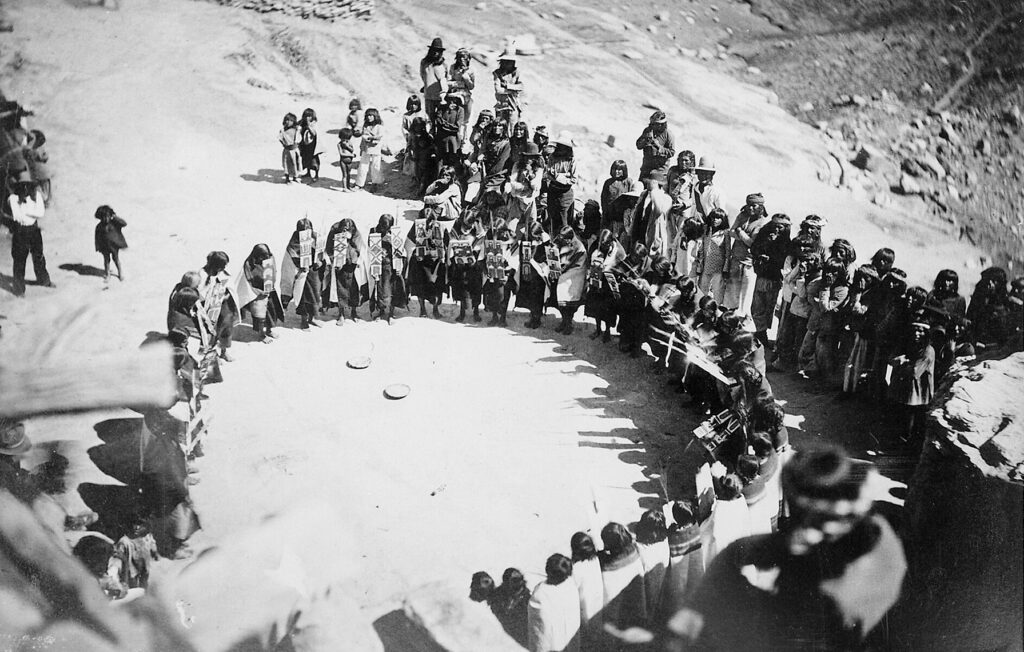
Text
Hopi Snake Dance – TR
Harlow Brooks ⇨
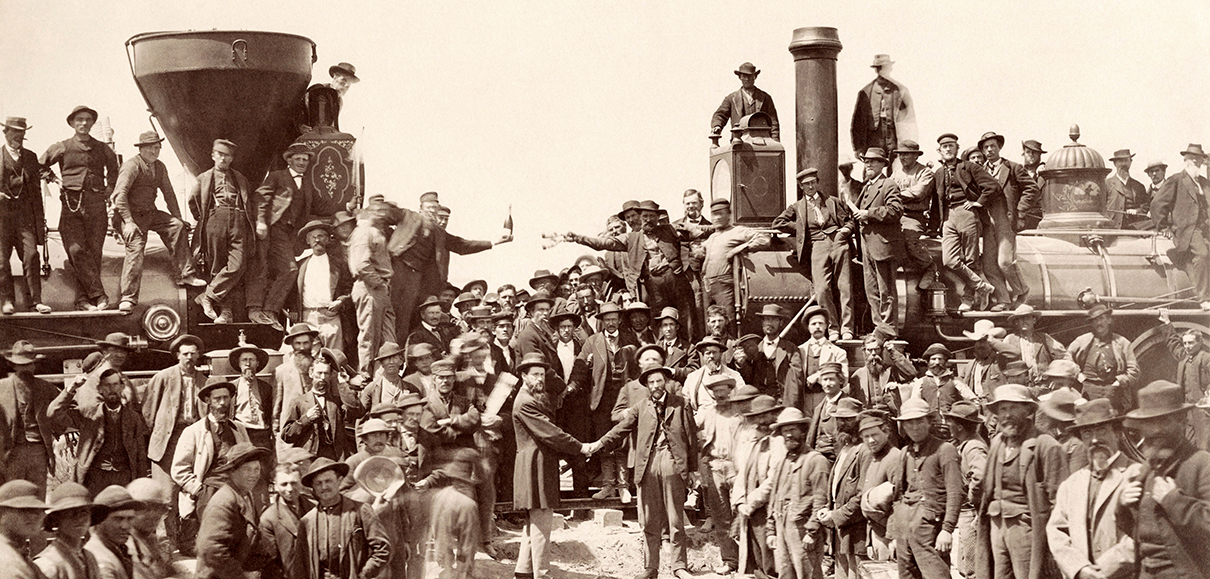
“The transcontinental railroad, completed in 1869, was one of the most ambitious engineering feats in American history, fundamentally transforming the United States by linking the eastern and western coasts and reducing a months-long journey into a matter of days. It opened up vast new markets, accelerated westward settlement, and allowed goods, people, and ideas to flow across the continent at an unprecedented scale. Much of its construction was carried out by Chinese immigrants, who performed the most dangerous and grueling labor in brutal conditions for wages far below those of their white counterparts, yet received little recognition or credit for their essential contributions.”
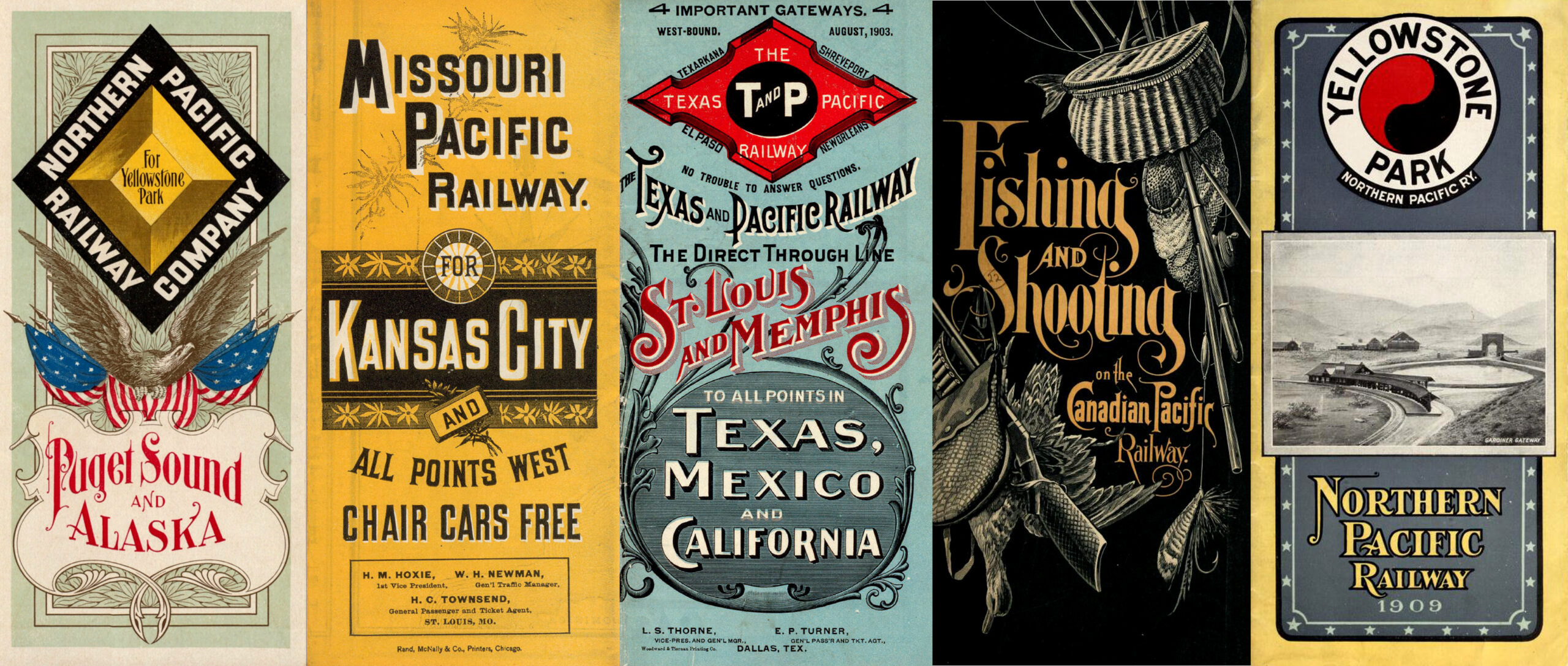
Text – letters that mention train travel?
“Wealthy Easterners and European travelers could now journey comfortably to experience the dramatic landscapes of the Rockies, the deserts of the Southwest, and the Pacific coast, fueling a romanticized fascination with the “Wild West.” This surge in tourism helped shape a distinctly American mythology around frontier life, cowboys, and wide open spaces, and directly contributed to the growth of western cities like San Francisco and Denver as cultural and economic destinations.”
[Hunting images from Outdoor Life magazines]
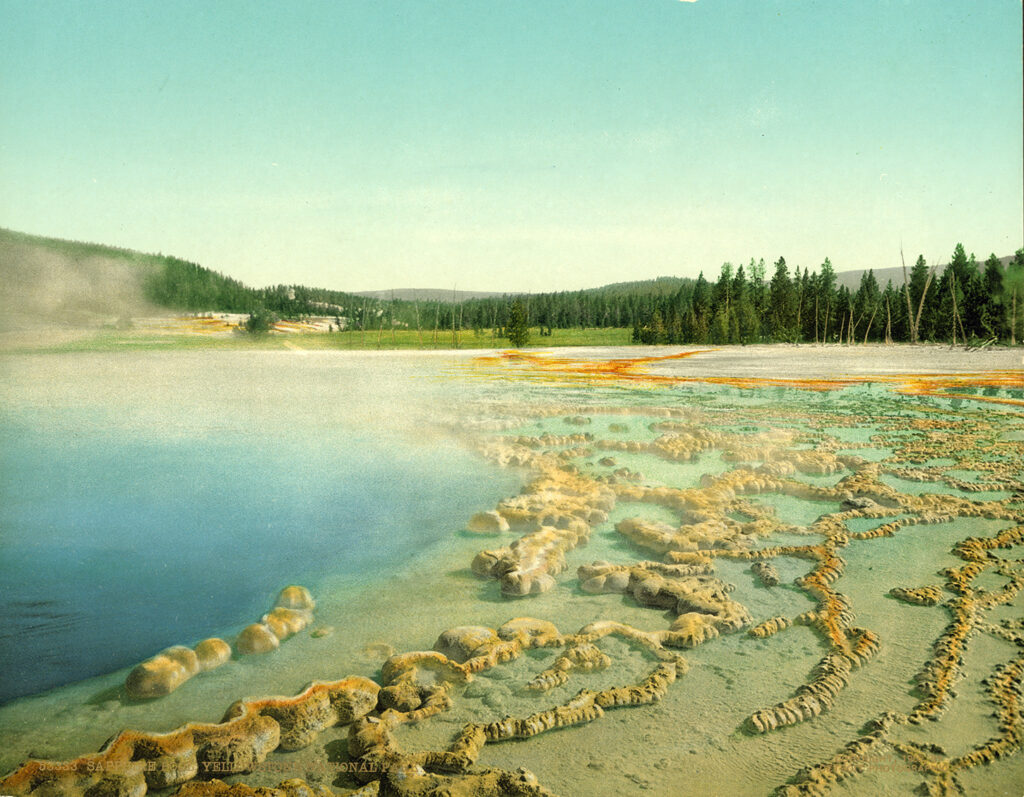
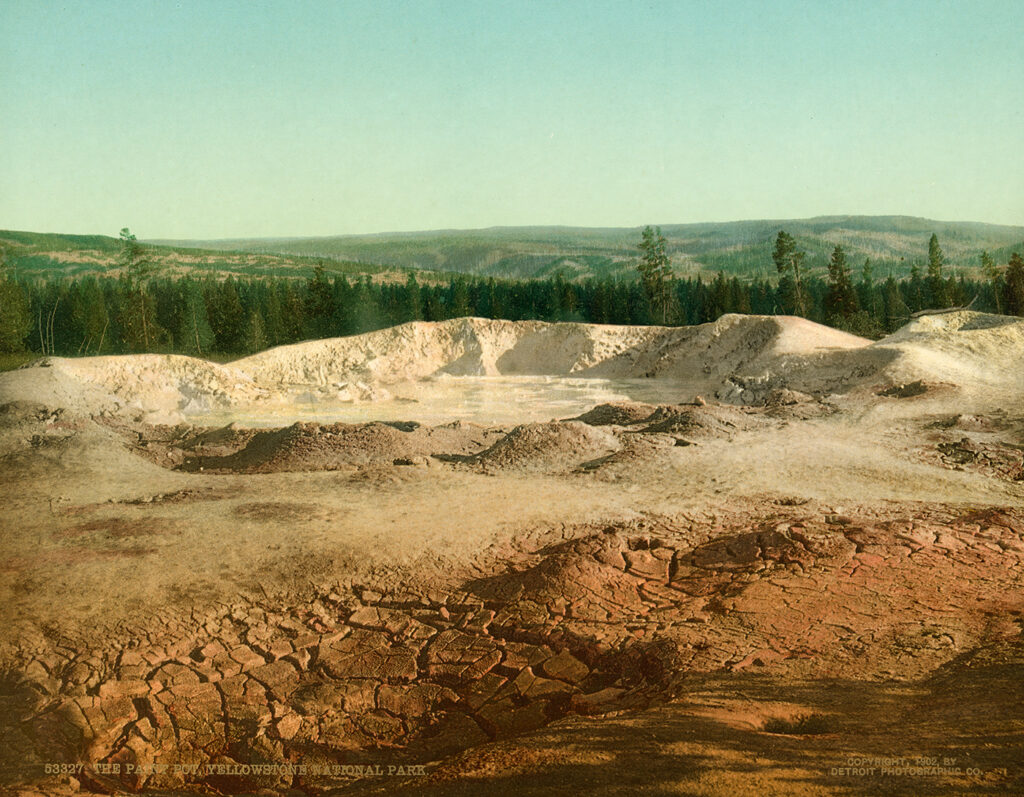
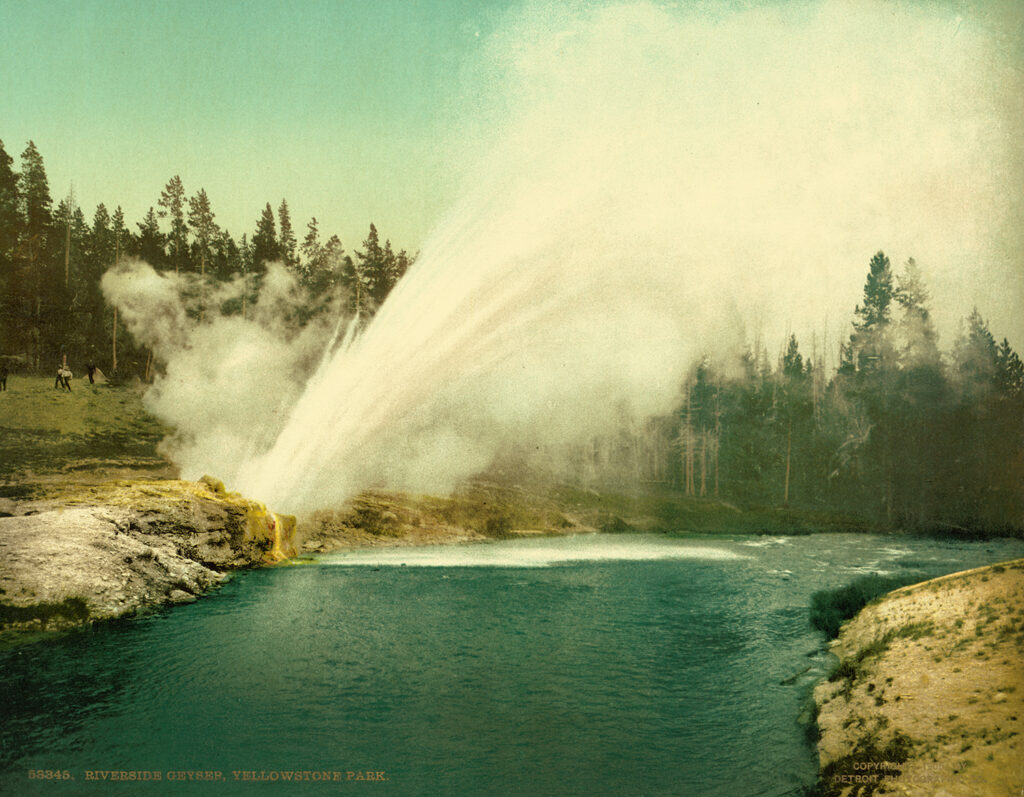
Wyoming Hunting Trips ⇨
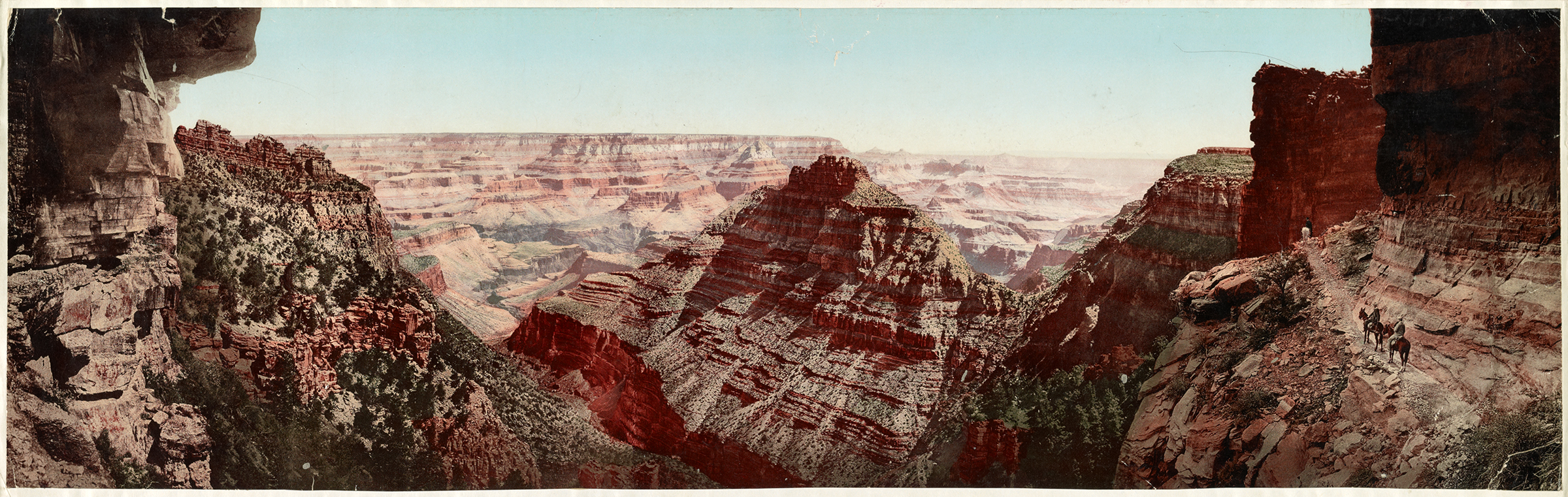
Grand Canyon Hunting Trip ⇨
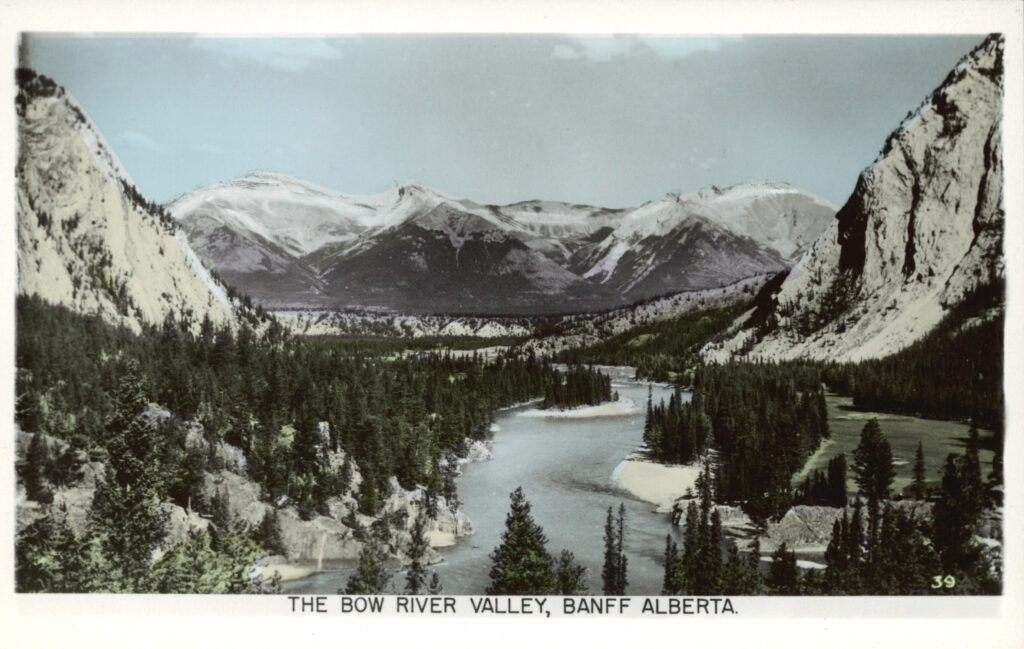
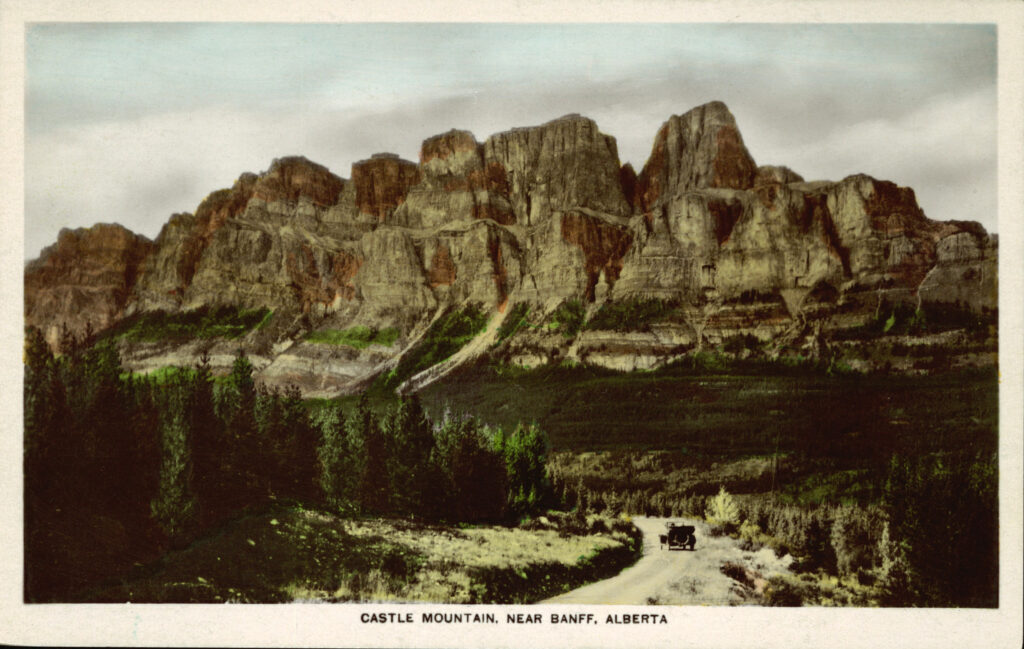
Led to the spread of towns and cities throughout the West and made it possible for East Coast residents to move West or travel there for short-term visits to visit family, vacation, visit the growing number of national parks, hunt, and even play cowboy.
⇦ New York City | Events ⇨
context about how the west was viewed and romanticized, Empiricism
Chinese railroad
Connecting of the Pacific RR, Chinese exclusion act
Towns began to be established
Bison
https://digitalcollections.nypl.org/items/ee4691f0-c52e-012f-1118-58d385a7bc34?canvasIndex=0
https://web.stanford.edu/group/chineserailroad/cgi-bin/website/virtual
Place for people in the city to go out into nature, be strong
Dude ranches – Celebration of wild west culture
Indian Wars, reservations