Intro information…
Dates
Land Conservation
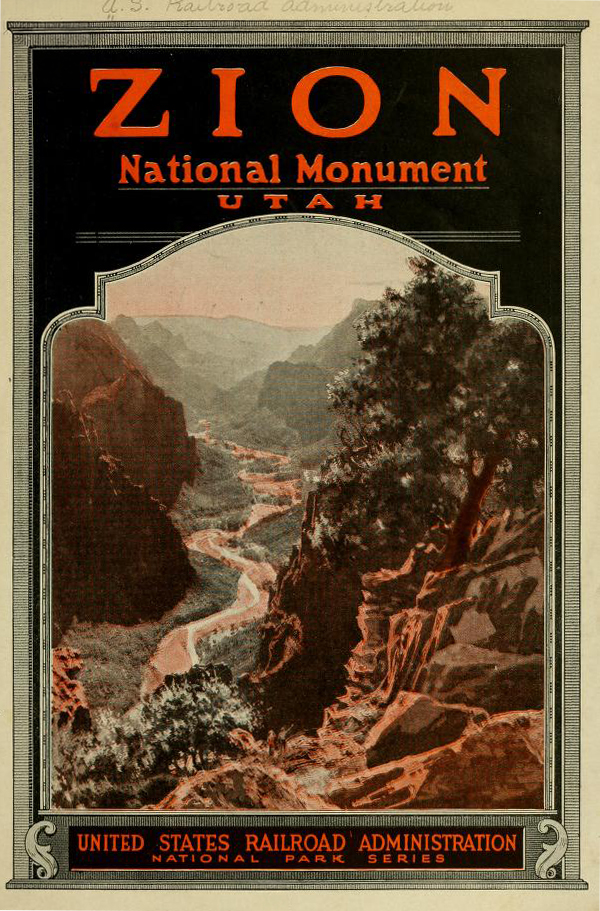
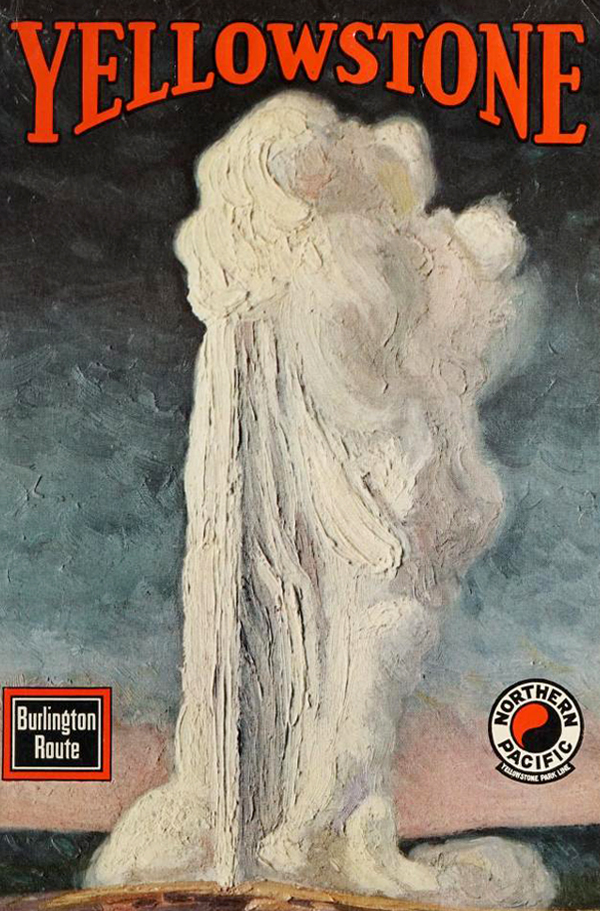
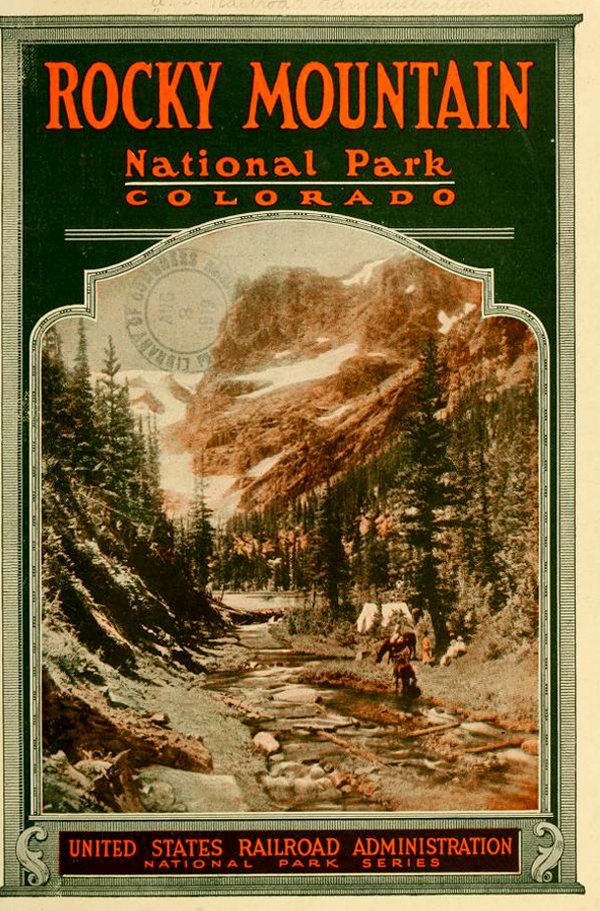
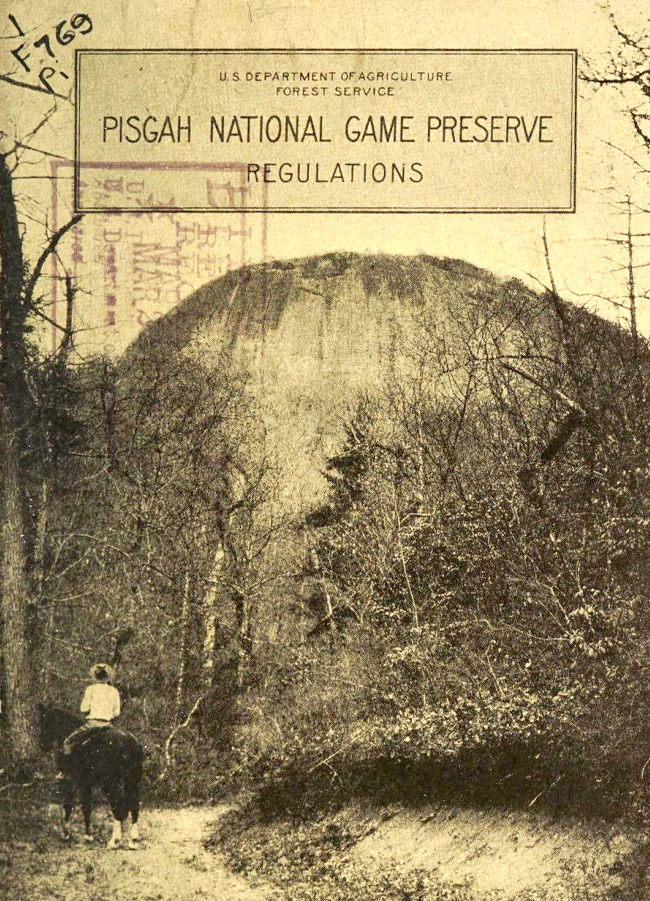
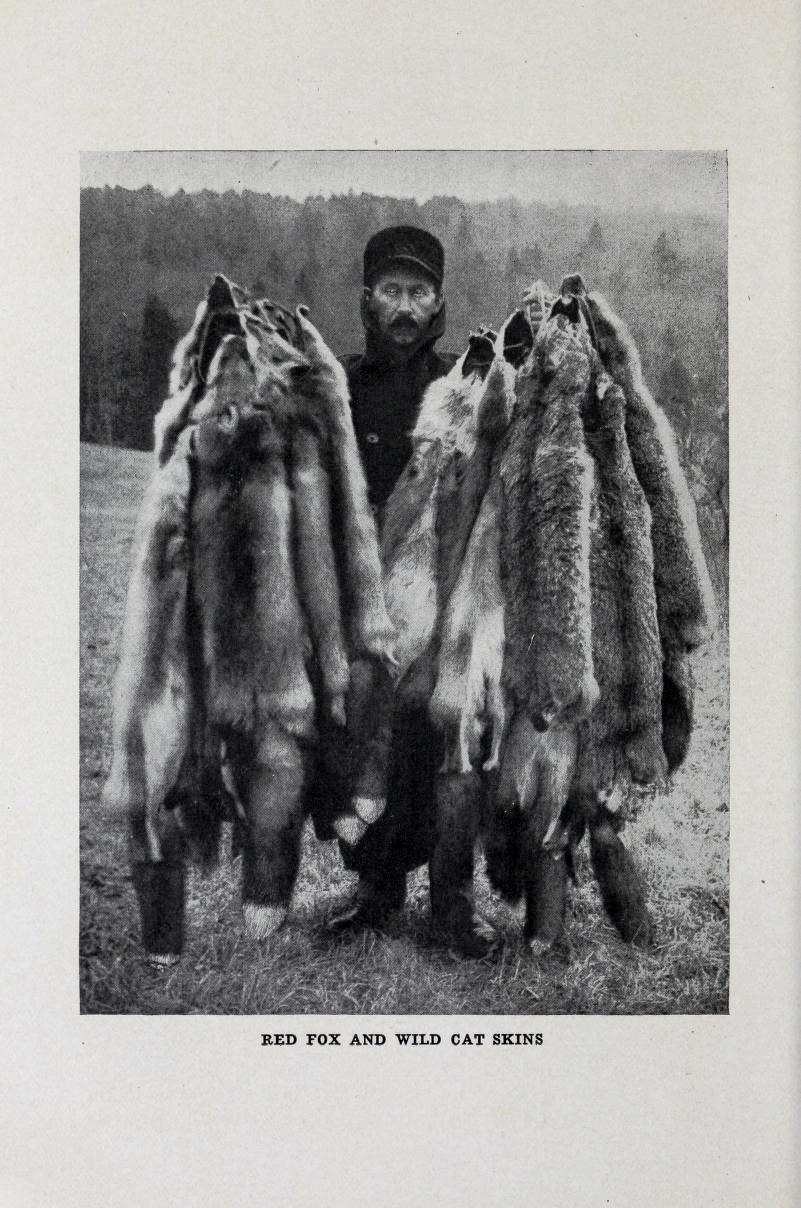
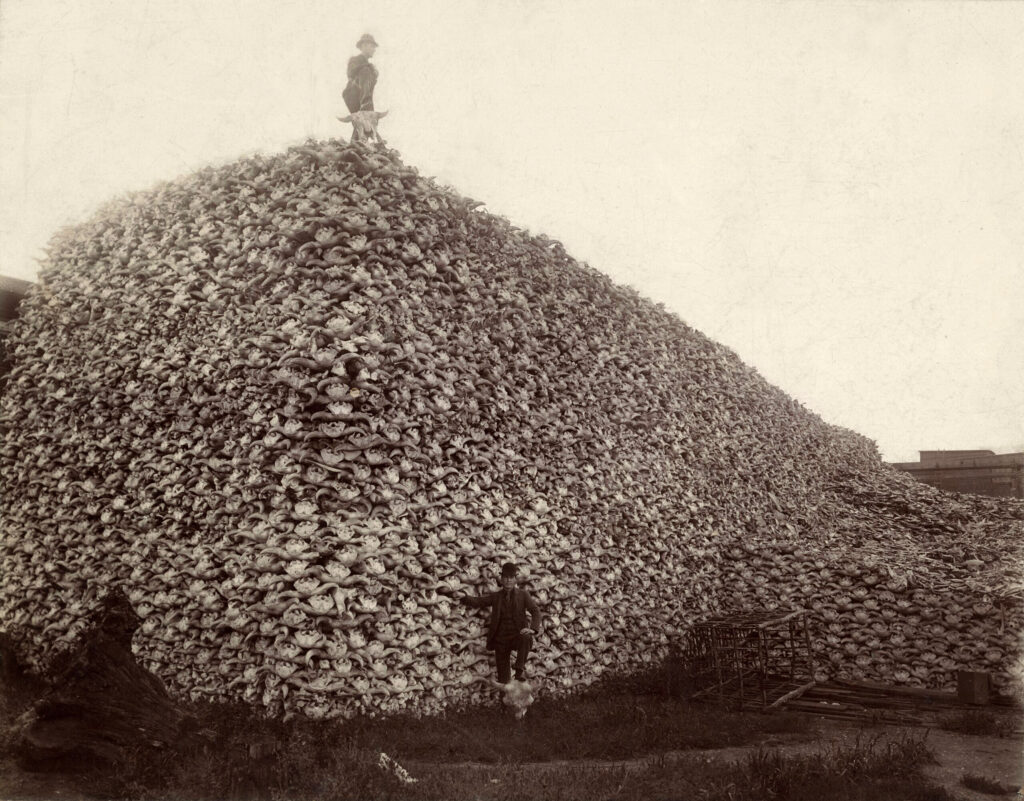
The need for land conservation entered the American consciousness in the late 19th and early 20th centuries, as the nation, having expanded fully from east to west, began to recognize the finiteness of its resources and deemed federal intervention necessary. What followed was sweeping legislation that preserved vast swaths of land through the establishment of national and state parks, wildlife refuges, and monuments. As president, Roosevelt drove much of the effort, putting roughly 230 million acres of land under federal protection. Parallel to these efforts was an endeavor to preserve wildlife, which was being rapidly depleted by market hunting, meaning — and, in the case of the bison, the introduction of horses to North America, which enhanced hunting abilities and competed for resources, and the intentional annihilation of the species by the US Army in order to gain power over Native American populations (CITE).
recognition of the loss of wildlife due to market hunting, meaning [define] and the deliberate near extermination of the bison…
The philosophical justification was contested — Pinchot argued for scientific management and wise use, Muir for preservation of wilderness on its own terms — but both agreed that unregulated private exploitation was destroying the land faster than any democratic society could afford. Underlying the entire project was a Progressive Era faith in federal expertise as a corrective to the chaos of the market, a belief that the public’s long-term interest in the land could only be protected by removing it from private hands entirely.
https://www.nps.gov/articles/000/nineteenth-century-trends-in-american-conservation.htm
Hunting as Conservation
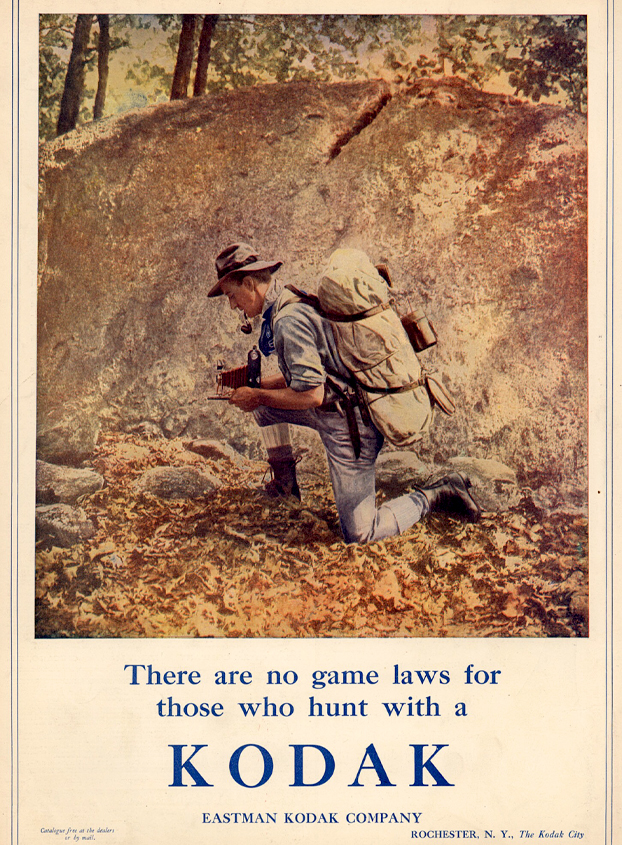
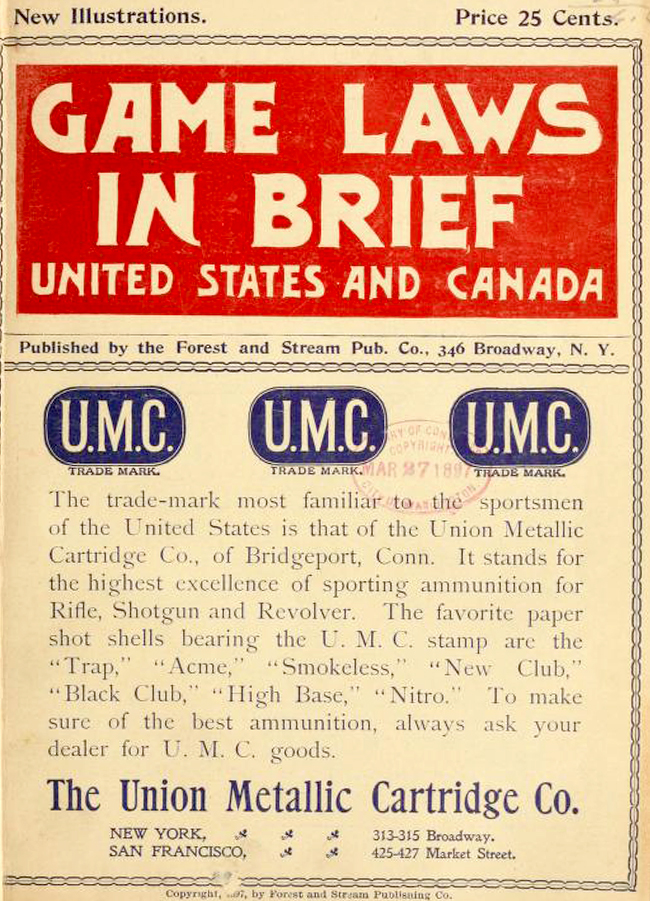
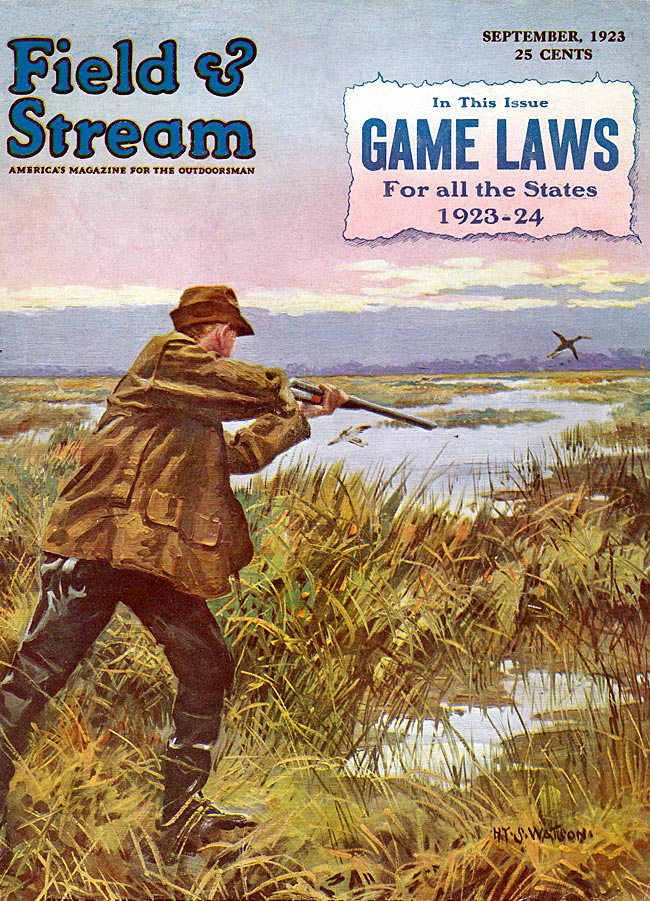
Hunting regulation and conservation emerged as deeply intertwined in early 20th century North America, built on the pragmatic insight that the hunter was the natural steward of the very animal he pursued. License fees, bag limits, and seasonal restrictions created a self-sustaining system in which the act of hunting itself financed the wildlife management that kept game species viable. The paradox is both obvious and philosophically rich: the conservation of wild animals was funded by the desire to kill them. Roosevelt and the Boone and Crockett Club resolved this tension not by denying it but by reframing the hunter’s identity — the ethical sportsman did not hunt despite caring about wildlife, but his love of the hunt demanded that wildlife be protected. Yet this resolution was never entirely clean. It depended on drawing sharp moral lines between the honorable sport hunter and the despised market hunter, lines that conveniently elevated the practices of wealthy elites while criminalizing the subsistence traditions of the rural poor and indigenous peoples. The regulated hunting model endures today as the foundation of North American wildlife conservation, carrying with it both the genuine ecological successes and the unresolved contradictions of its origins.
Bison
Major Figures
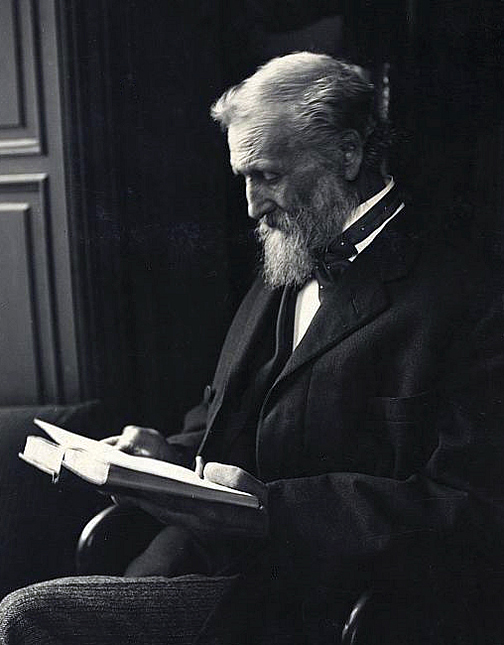
George Bird Grinnell (1849-1938)
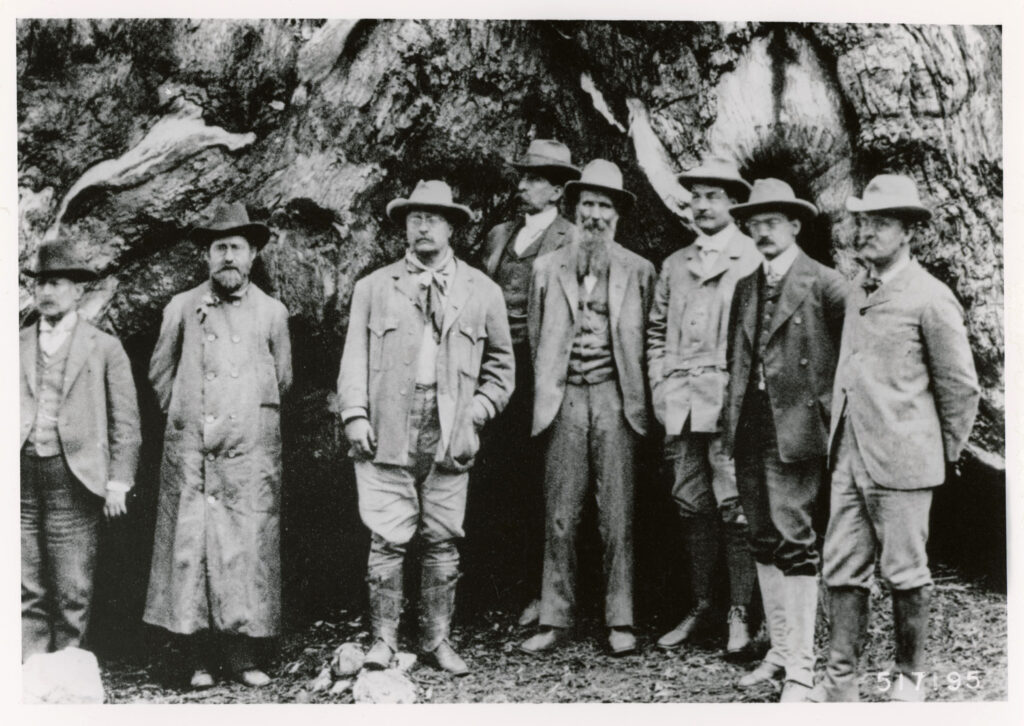
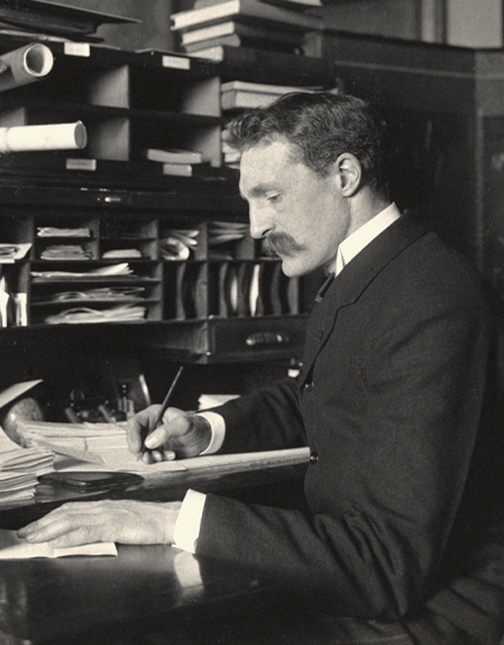
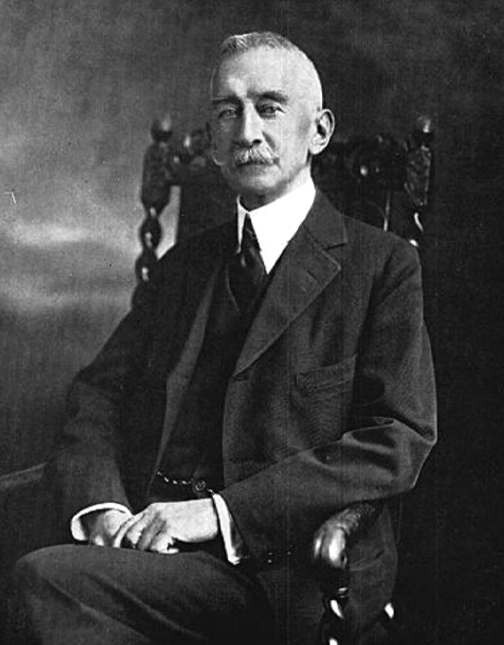
In 1885, Roosevelt met someone he sought out when Grinnell wrote a critical review of Roosevelt’s book, Hunting Trips of a Ranchman. Grinnell was a naturalist, editor of Forest and Stream magazine, founder of the Audubon Society, and, like Roosevelt, had his own boyhood museum (Lunde 18). The two men’s bond led to the founding of the Boone and Crockett Club, an organization of elite hunters dedicated to wildlife conservation and perhaps the earliest institutional expression of Roosevelt’s conservationist impulse. (Read more about Grinnell).
John Muir
Gifford Pinchot
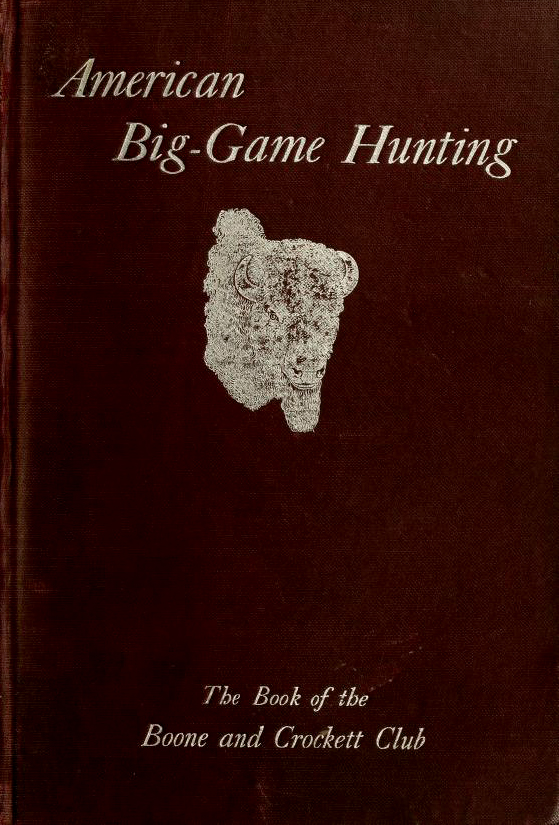
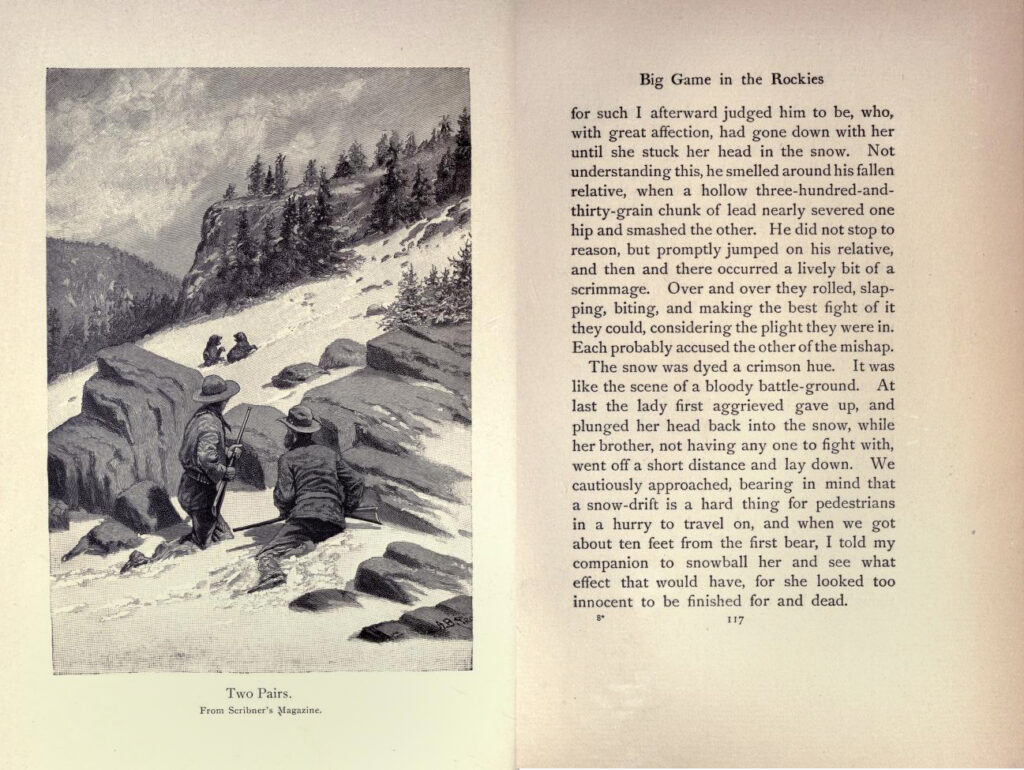
The objects of the Club shall be: https://archive.org/details/americanbiggameh00roosev/page/6/mode/2up
- To promote manly sport with the rifle.
- To promote travel and exploration in the wild and unknown, or but partially known, portions of the country.
- To work for the preservation of the large game of this country, and, so far as possible, to further legislation for that purpose, and to assist in enforcing the existing laws.
- To promote inquiry into and to record observations on the habits and natural history of the various wild animals.
- To bring about among the members the interchange of opinions and ideas on hunting, travel, exploration, on the various kinds of hunting-rifles, on the haunts of game animals, etc.
“Fair Chase” https://archive.org/details/americanbiggamei01grin/page/486/mode/2up
Book sport, natural history… https://archive.org/details/americangamemamm00phil/page/n5/mode/2up
Hunting as stewardship, HS Osborn; Hornaday’s criticism of the Club/ arguing sportsman created laws but criticizes hunting https://archive.org/details/ourvanishingwil00horn/page/56/mode/2up?q=%22boone+and+crockett+club%22
https://hornadayscrapbooks.com/items/show/5994#page https://hornadayscrapbooks.com/collections/show/8
The new bison heard https://archive.org/details/americanbiggamei01grin/page/n535/mode/2up
Link out the Bison letters
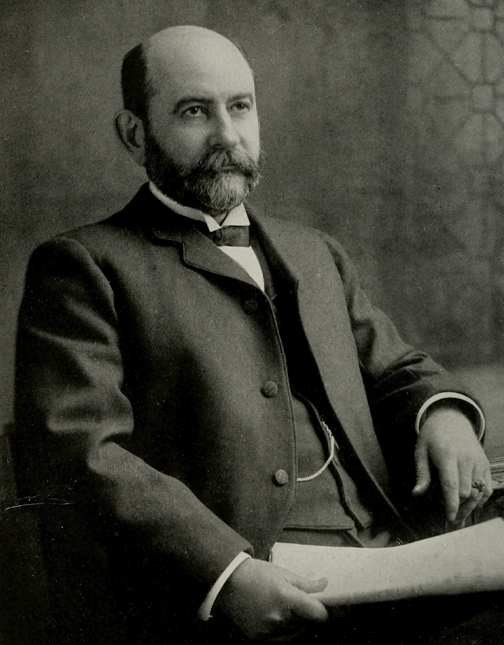
Grinnell
- Grinnell – Forest and Stream editor – started his own boyhood museum, doctoral degree founded the Audubon Society (RB 18)
- Met Grinnell when he wrote a critical review of Roosevelt 1885 book FS July 2, 1885 (RB ?)
- Grinnell – Believed preserving the natural world took “constant apolitical scientific management,” key role in establishing the US National Forest System; major leader in the founding of Glaier National Park (RB 82)
- As Forest and Stream editor, pushed conversation and ideas – having a sportsman audience, he influenced the conservation movement (RB 87)
- Grinnell – wanted to establish a conservation society for mammals Roosevelt in response came up with the idea of the Boone and Crockett Club – dedicated to the “idea that our natural resources were not inexhaustible, but they could be saved through wise management. (RB 18)
- 1887 December Roosevelt invited Grinnell and 9 other sportsmen to dinner (Prominent wealthy New Yorkers) and proposed the club naming it after two American hunting heroes (RB 90)
- Worked to stop hunting in Yellowstone; stop train line- “Act to Protect Birds and Animals in Yellowstone National Park” Cleveland 1894 (RB 95)
Pinchot
- Roosevelt would eventually partner with Pinchot (with Grinnell’s blessing) (RB 99)
- Gilford Pinchot – first head of the National Forest Service
- See selected writings 51-53
- Land transfer – increased size of the national forest allotments (1905-1909) decreased American Indian estate – lost 86 million acres (RB 115) ->
- American Indian and National Forests by Catton pg 40
- “Conservation” – Gifford Pinchot helped to popularize, meant to use resources wisely; “protection” and “preservation” meant resources would not be used “in perpetuity” (RAC Doreceta Taylor 26)
Hornaday
- Hornaday – having learned about the near extermination of the buffalo; was directed to go west as soon as possible, went to Montana (145). 25 specimens (killed 24 and took a live calf that eventually died) (RB 150)
- To scientifically preserve the bison?, he killed them and brought them back to the Smithsonian National Museum of Natural History (chief taxidermist), taxidermied them and set up a display; he wanted to fill a void in the collection, establish himself as the finest taxidermist, created a natural display (RB 150)
- Smithsonian images
https://docs.google.com/document/d/1xTP_hCnmM7KpvsNUrca9N0oE_S_5C9FzsWy3wW096dU/edit?tab=t.0
https://docs.google.com/document/d/1ex9BWPB5SbzFvM-gPQ3jps4hRP_EQCLql6muQmBvMHs/edit?tab=t.0
https://docs.google.com/document/d/1oNyhoFNsZMUI5FJy0NfEkrhbKMmQgStTXAm7_6XJbs4/edit?tab=t.0