
As a child, Theodore Roosevelt was fascinated and fixated on the natural world, hunting for animal specimens to taxidermy, having taken taxonomy lessons at age twelve, and mounting some for public display and others to be objects of study as he sought to better understand the intricacies of the natural world (Lunde 8). He meticulously managed his specimens like a curator, tagging them with descriptive information and cataloging them for his own “Roosevelt Museum of Natural History” (Lunde 8). Writing in his autobiography, Roosevelt explained:
The collections were at first kept in my room, until a rebellion on the part of the chambermaid received the approval of the higher authorities of the household and the collection was moved up to a kind of bookcase in the back hall upstairs. It was the ordinary small boy’s collection of curios, quite incongruous and entirely valueless except from the standpoint of the boy himself. (Roosevelt, autobiography, 15)
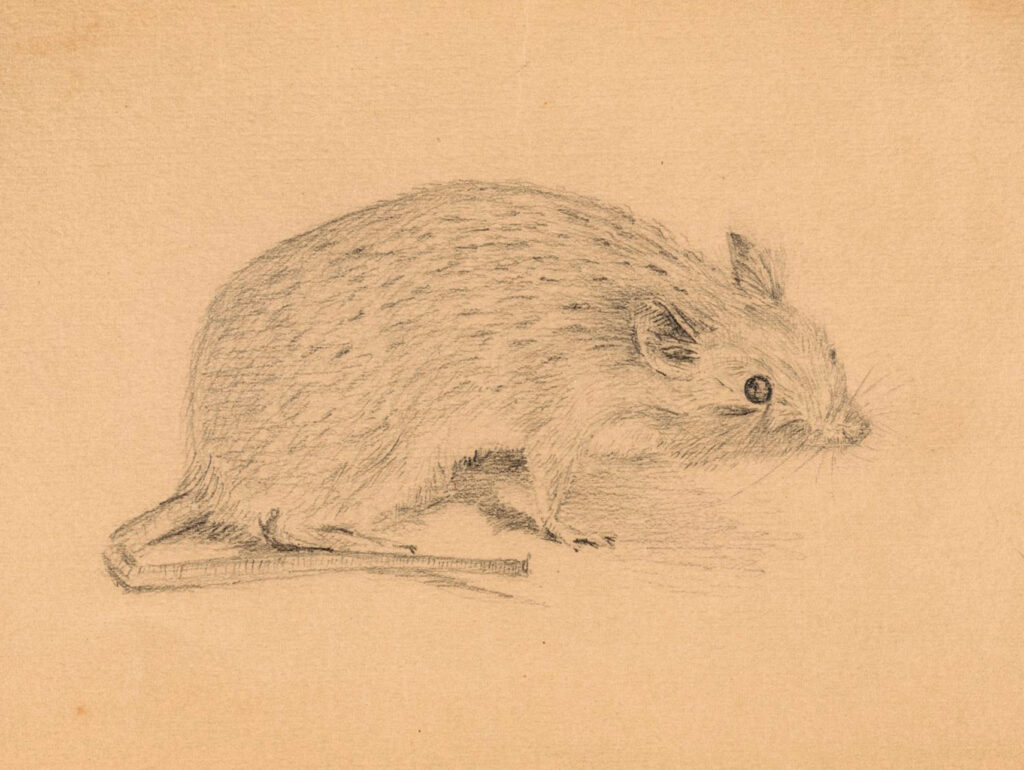
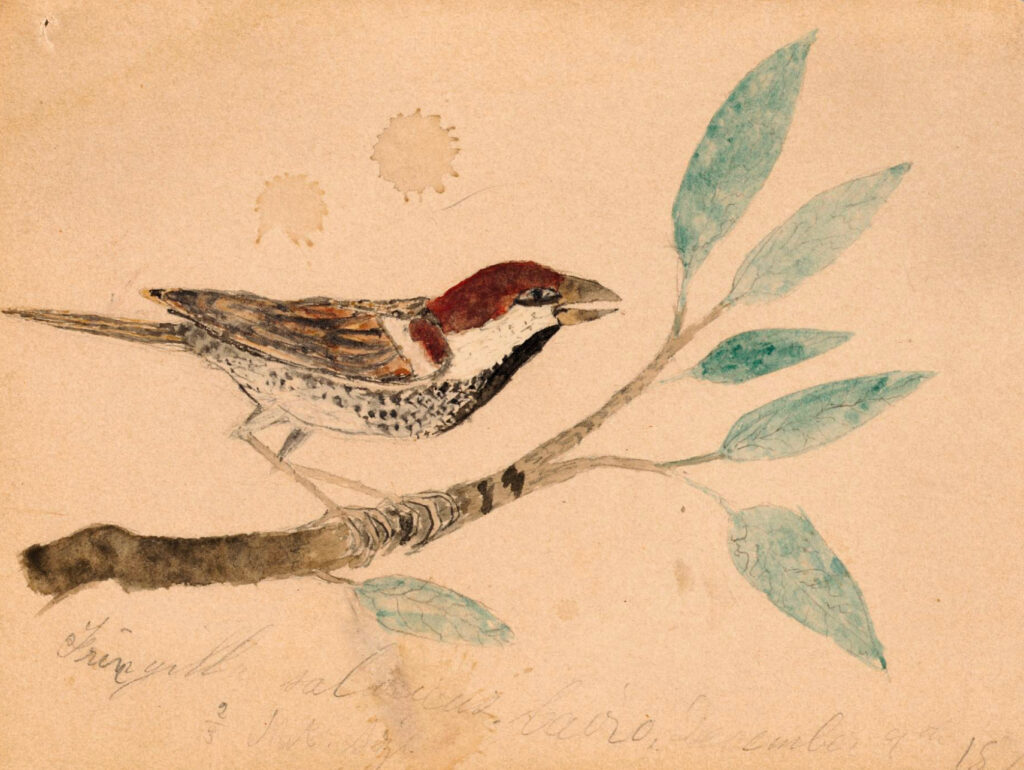
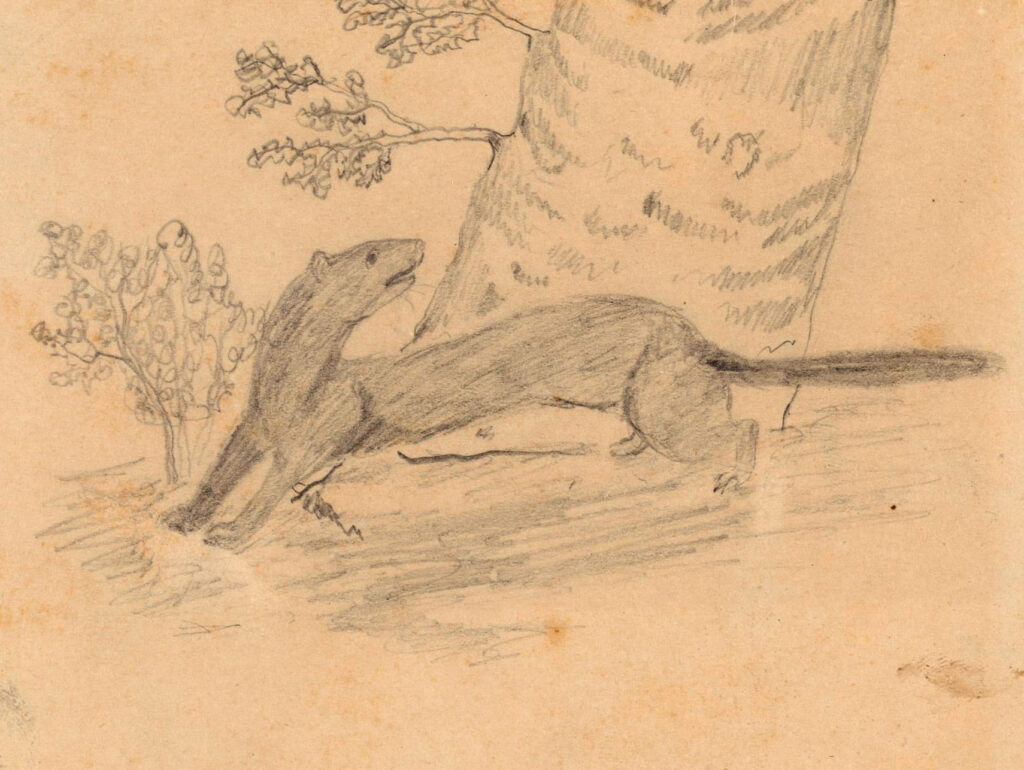
His obsession with nature took him to Harvard, where he formally studied science, work that forced him out of nature into a lab (Lunde 16). Disappointed and dissatisfied, he left his studies and eventually attended Columbia Law School, which he left after a year to begin a life of public service, much of it devoted to conservation efforts (Lunde 16).
Naturalism & Hunting
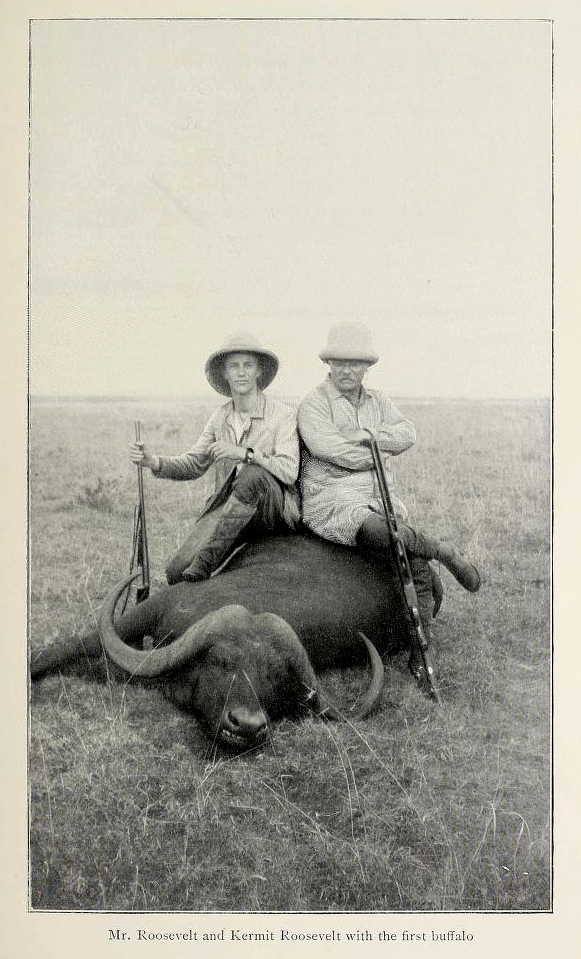
Roosevelt’s form of naturalism was adventurous, visceral, reverent, and yet bloody.
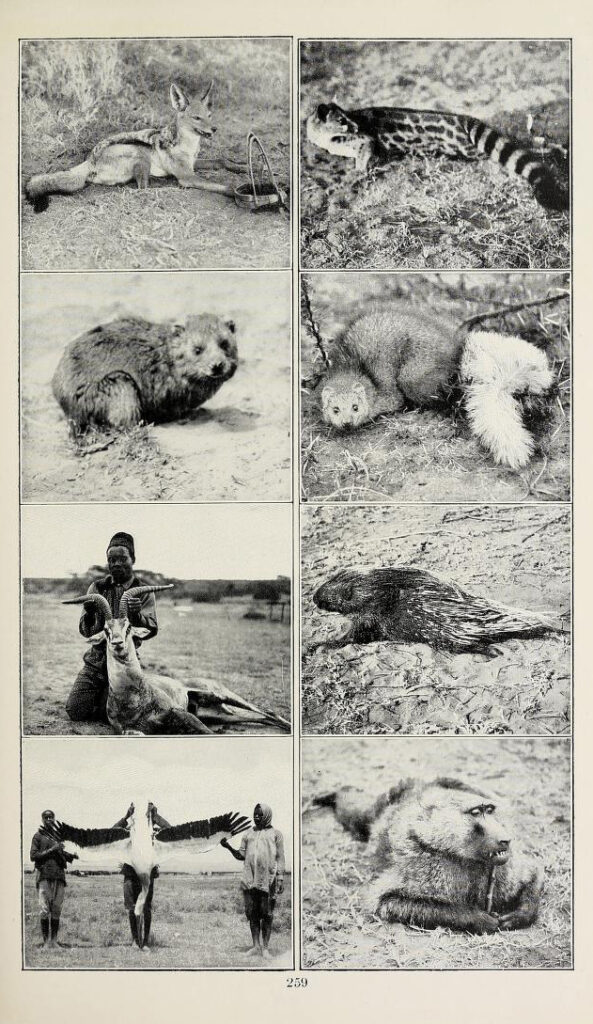
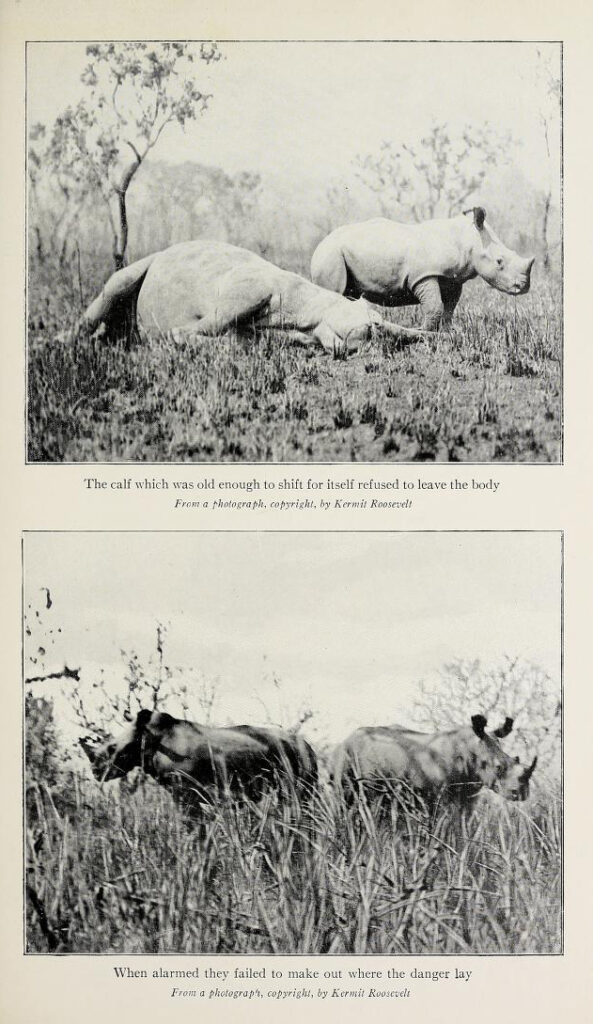
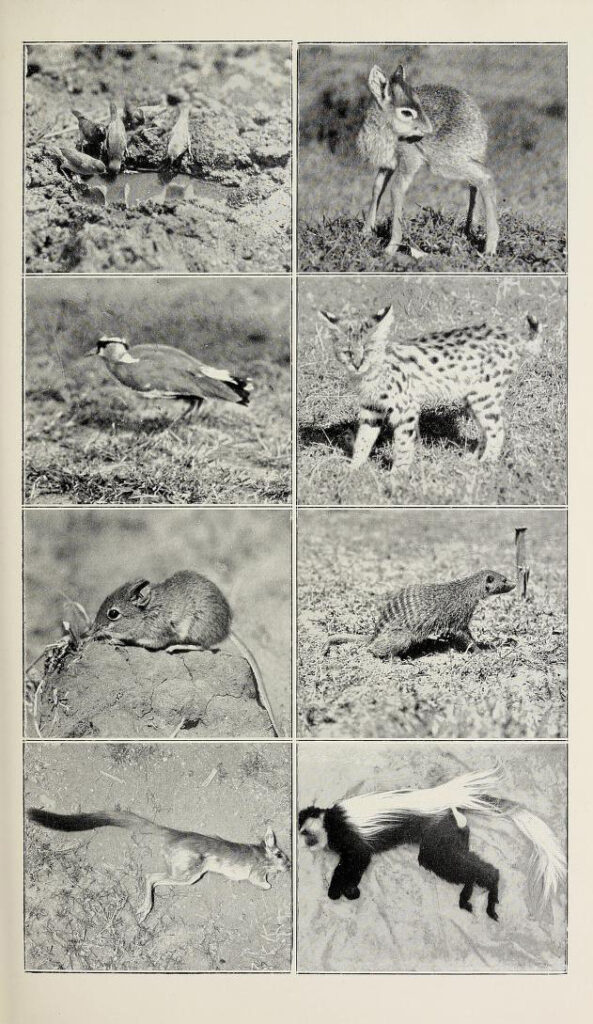
To really understand Roosevelt the naturalist, we need to locate him in the naturalist world that he revered—a world that wholeheartedly embraced guns, hunting, and taxidermy as vitally important tools in the naturalist crafts” -Darren Lunde, in the chapter, “Beauty and Tragedy in the Wilderness: The naturalism of Theodore Roosevelt” (Lunde, 22)
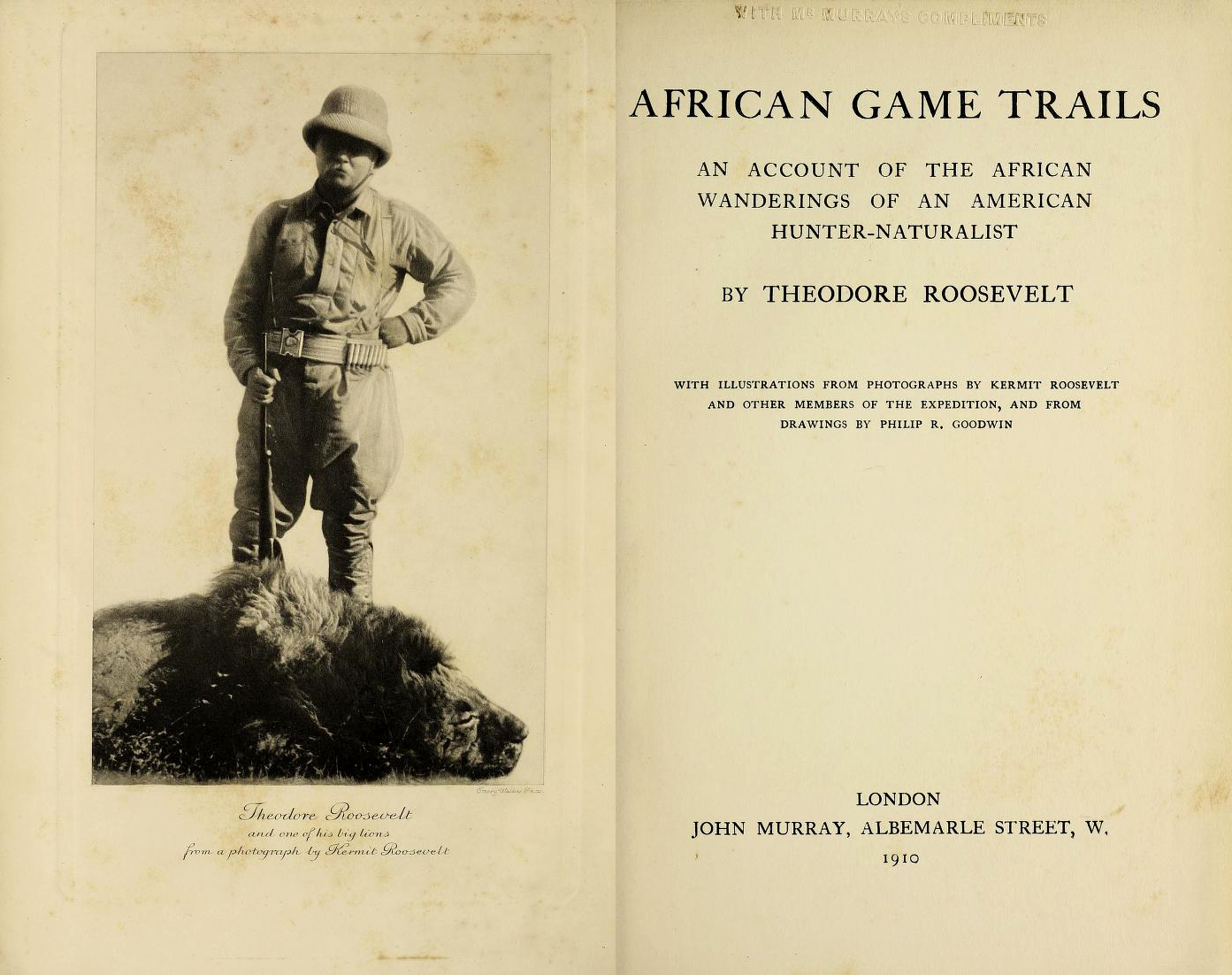
[Movie of him in Louisiana]
[Sportsman-naturalist/Sportsman culture]