
Going forward, it will be helpful if you know the when, where, and who of The Explorer ‘s world to make sense of everything to come.
First, there is the time span during which it takes place: 1890(?) to 1936, a range that encapsulates [EXPLAIN] and Harlow Brooks’ death. Then there are the places where things take place: New York City, where the key figures lived; the Canadian Rockies and Wyoming [MORE SPECIFIC], where they went on hunting and photographing trips.
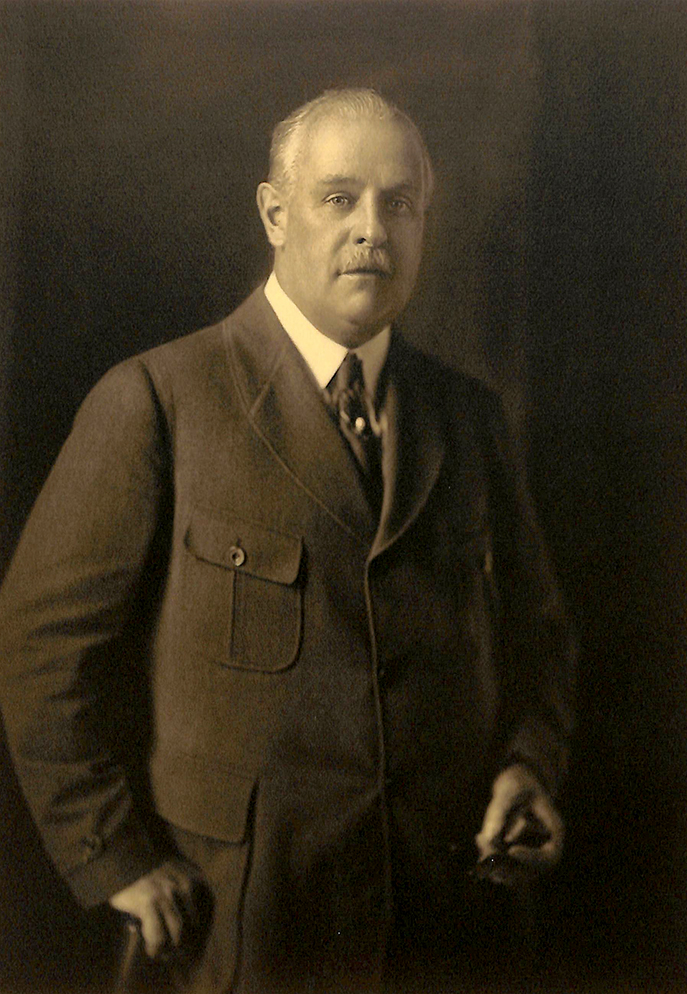
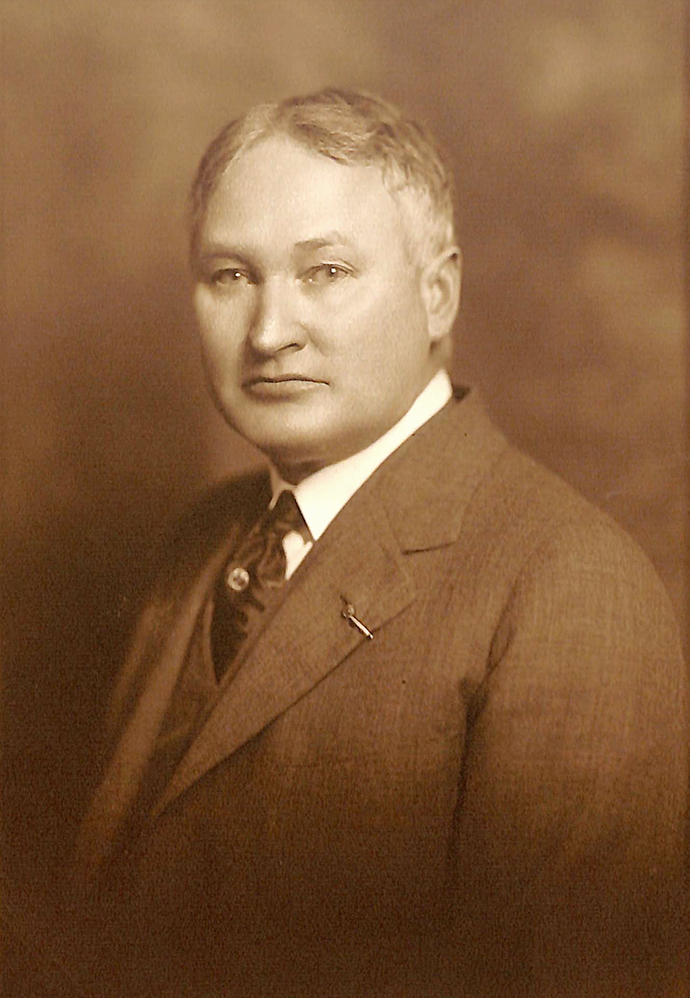
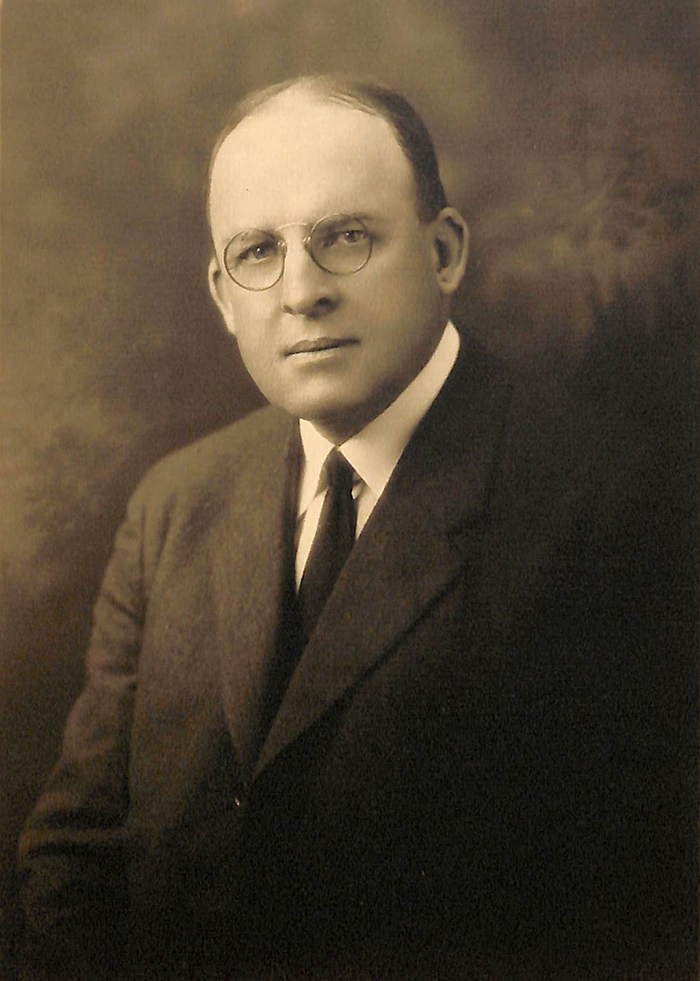
At the heart of this story is what I will call The Hunting Party. Hunter-sportsmen
The key figures are Joseph Austin McAleenan (DATES), a wealthy New York businessman, the son of Irish immigrants, a devout Catholic, and a devoted family man and husband to Margaret, for whom he expresses great respect.
Harlow Brooks (DATES) was a renowned medical doctor specializing in pathology who also served as a veterinarian at the New York Zoological Park (today the Bronx Zoo) in its earliest days, and was a decorated World War I veteran. His daughter Ruth Walker Brooks, whom he would take [ON TRIPS], became an artist and served as a field artist on a scientific expedition to British Guiana (today Guyana) with the famous explorer, scientist, and conservationist Gloria Hollister.
Robert Frothingham, an advertising executive, anthologist, and writer, prided himself on being a great orator. Over time, he appears to have transitioned into a full-time writing and lecturing career, a natural trajectory for someone who loved language and storytelling as much as he did.
Other fascinating figures emerge as well, such as taxidermist John Murgatroyd, hunting guides like Jimmy Simpson, the wildlife artist Carl Rungius, and the hunting guide and Wild West show performer Ambrose Means. There are a few historically well-recorded figures who also come along, including William T. Hornaday, a zoologist, taxidermist, and the director of the New York Zoological Society and Park(?), Bella DaCosta Greene, [more] J.P. Morgan’s librarian, and President Theodore Roosevelt. [LINK TO BIOS?]
Historical events
Patrick J. Hayes, the person to whom The Explorer is inscribed, and H.S. Nichols, the book’s publisher, turned out to be on their own research paths, with Hayes bringing light to McAleenan’s Catholic devotion and, through letters he received, nativist attitudes toward Catholics in the early twentieth century. Nichols was by far the greatest outlier, having fled Victorian England to evade the law; he was a shady character who, besides having a superficial business relationship with McAleenan, had one other very interesting and unexpected connection.
Rudyard Kipling, a towering figure in this era, is a part of this world, but through his influence, not his presence. You will see references to him in some of the research discoveries.