

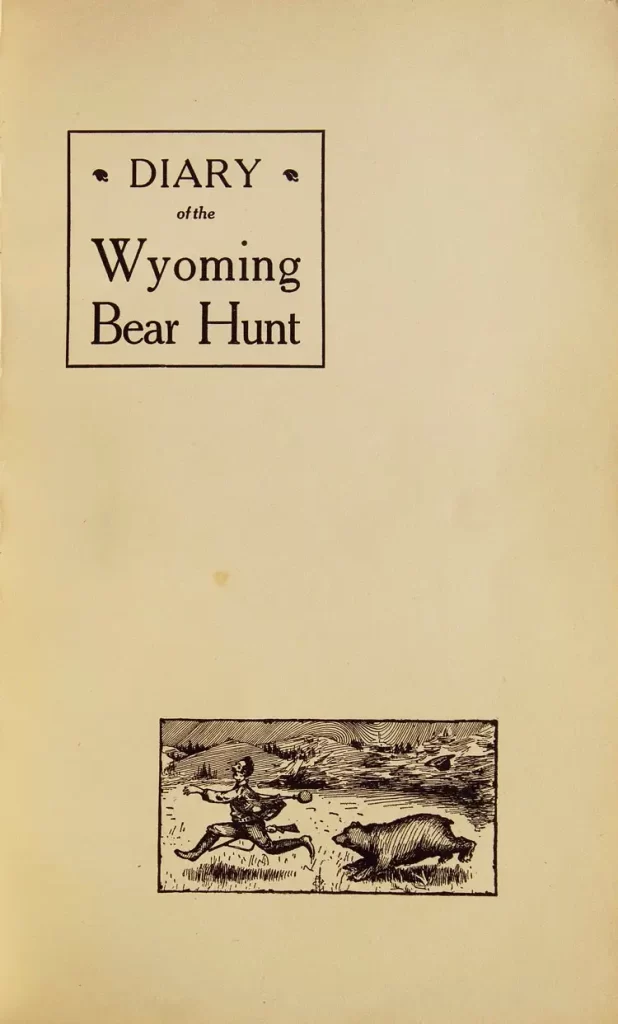
Claude: “This diary recounts a spring 1914 hunting expedition undertaken by four New York men—McAleenan (the narrator), Arthur, Bob Boyd, and John Murgatroyd—who travel by train to Cody, Wyoming, to hunt bear on the Shoshone Game Preserve under the guidance of Joe Jones and Joe Magill of the Majo Ranch. After a long cross-country journey filled with playful bickering and travel mishaps, the party settles into mountain camp life, enduring persistent snowstorms, long waits at bait sites, and the camaraderie of storytelling around the campfire with their guides and ranch hands. Over the following weeks, each member of the party gradually succeeds in bagging a bear, with the most dramatic episode being a near-fatal charge by a wounded grizzly sow that mauls guide Joe Jones before being tracked down and killed the next day—an incident significant enough that the men later sign a witnessed statement attesting to its details. The narrative blends day-to-day hunting logistics with vivid descriptions of the Wyoming landscape, reflections on friendship and the rugged character of the guides, and a good deal of humor, culminating in a celebratory dinner with local guests before the party’s reluctant return home to New York, having formed lasting bonds with the people and country they encountered.”
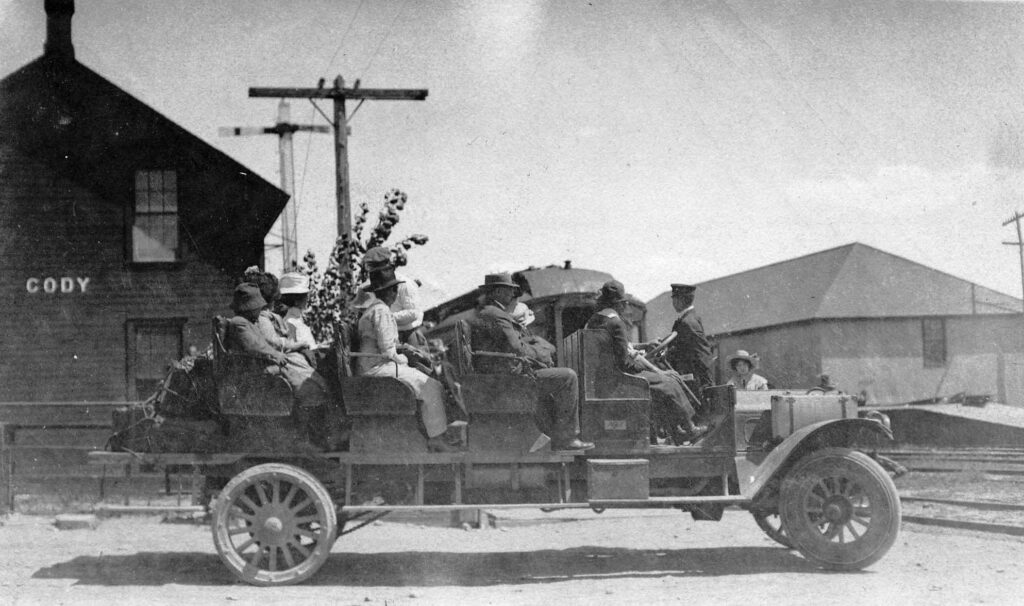
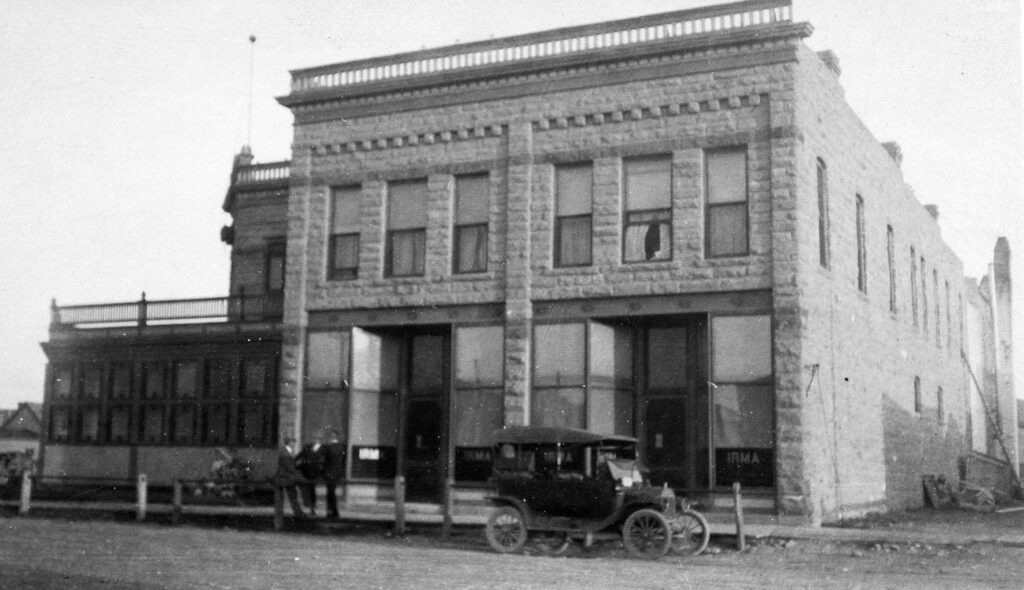
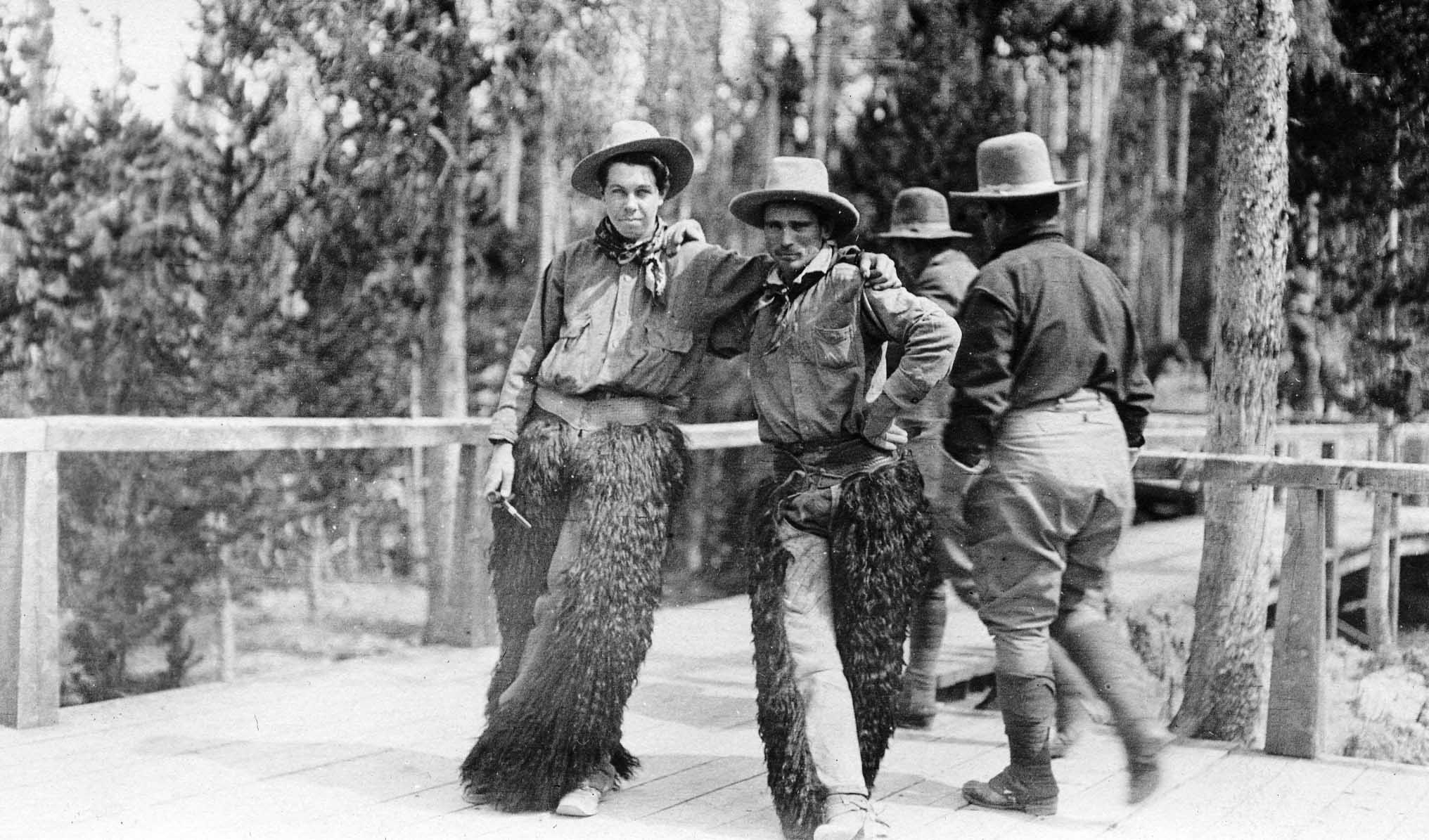
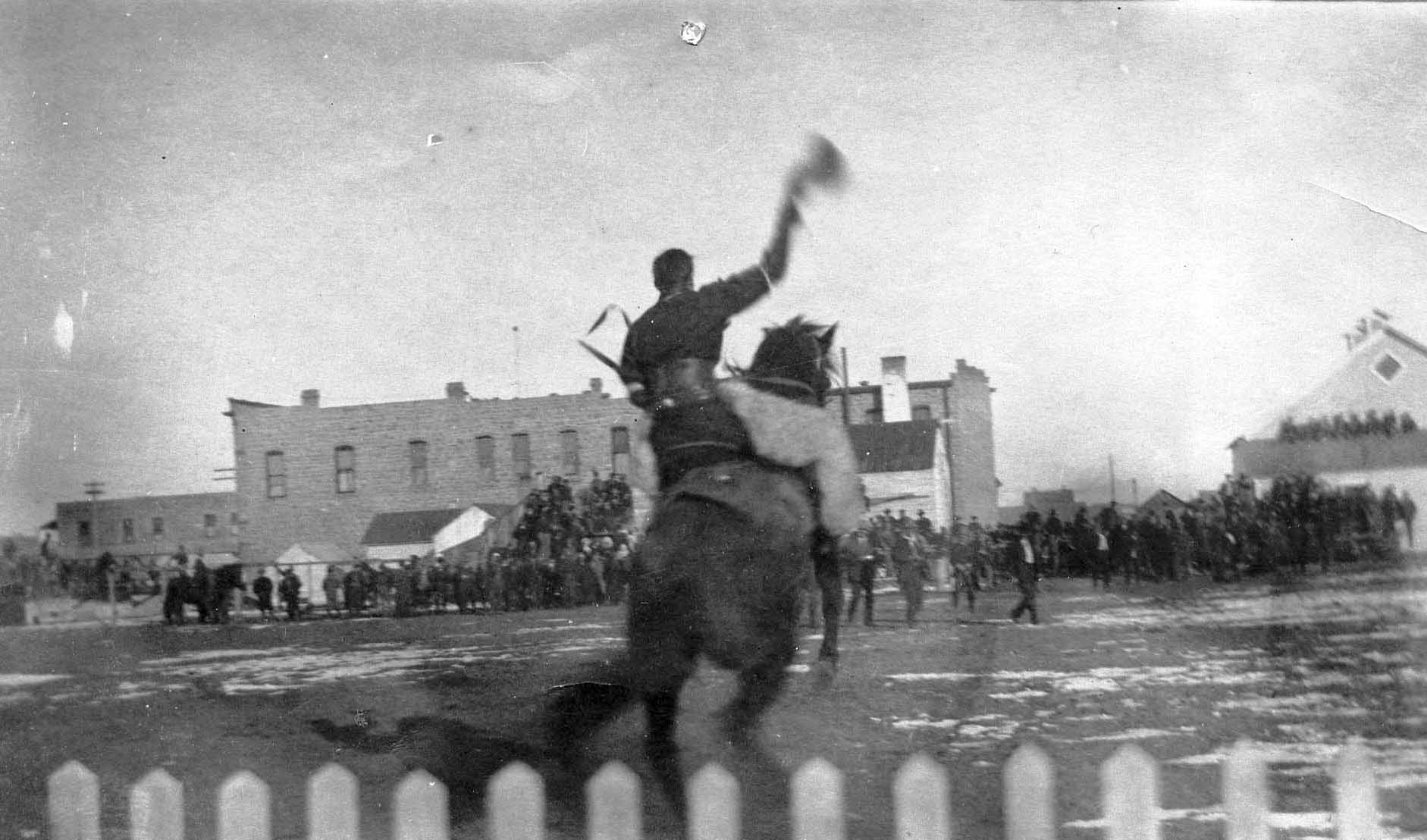
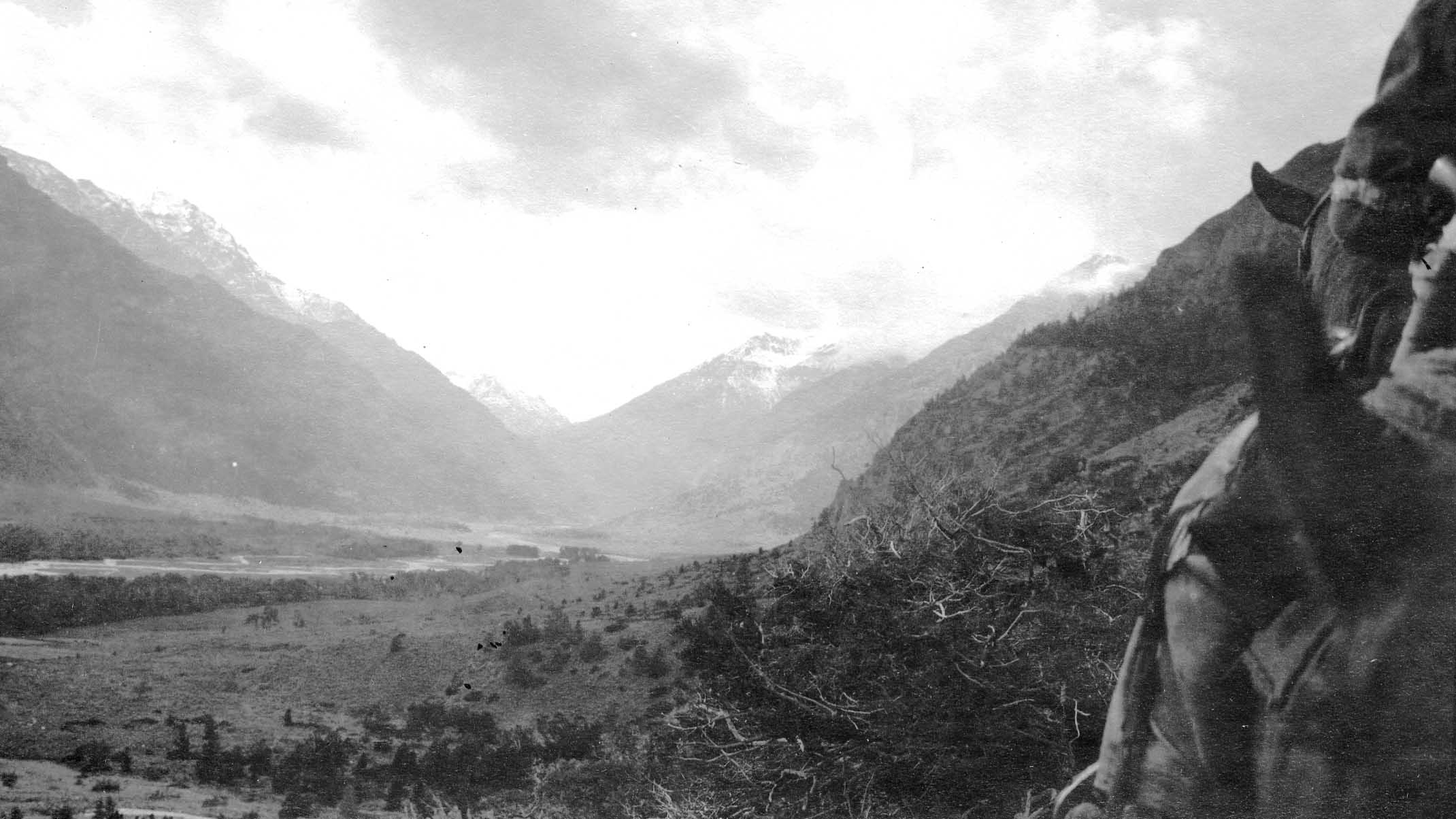
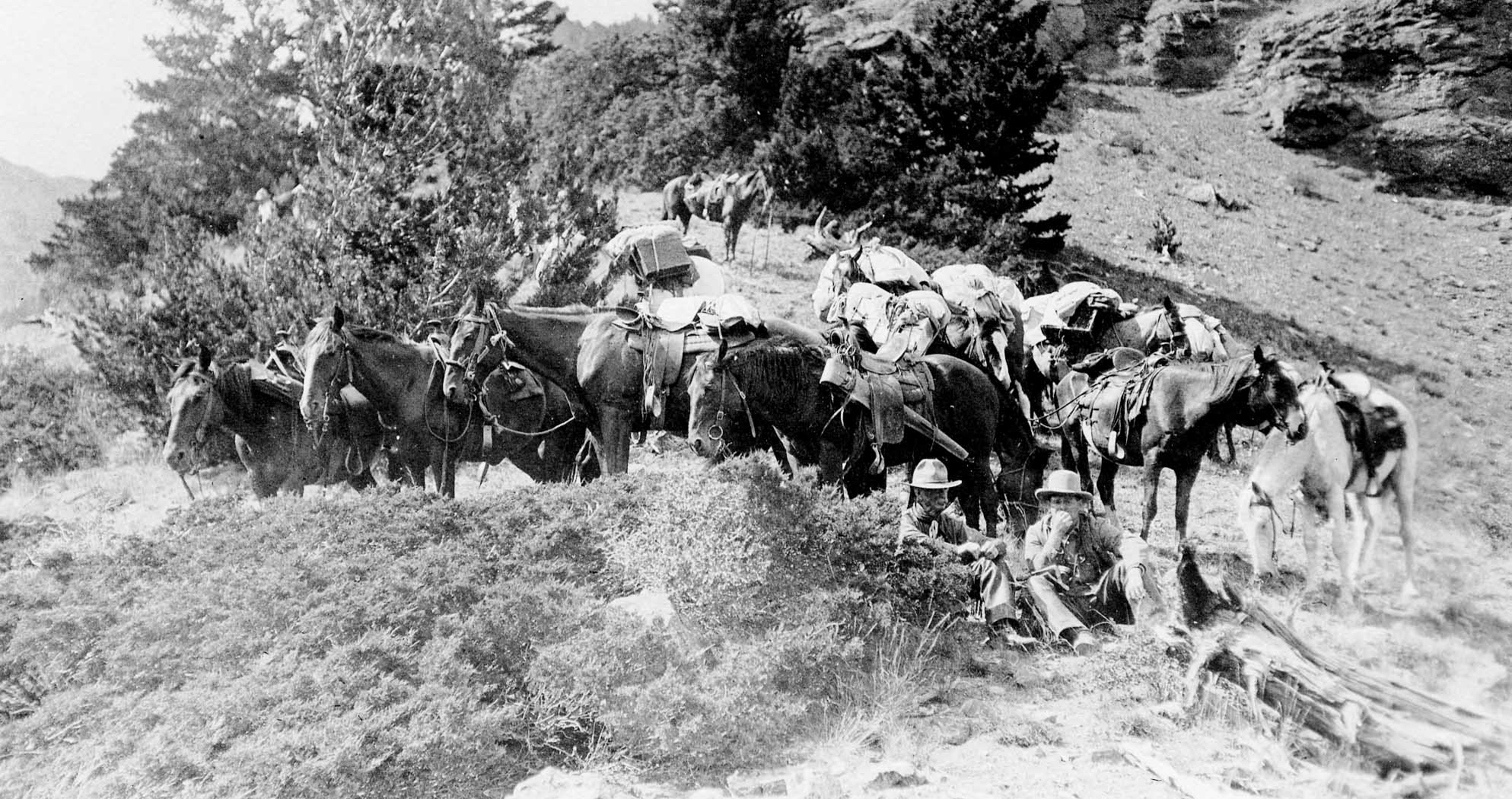
https://parkcounty.pastperfectonline.com/photo/19E2D0F8-3B23-4B03-80A6-464863618940
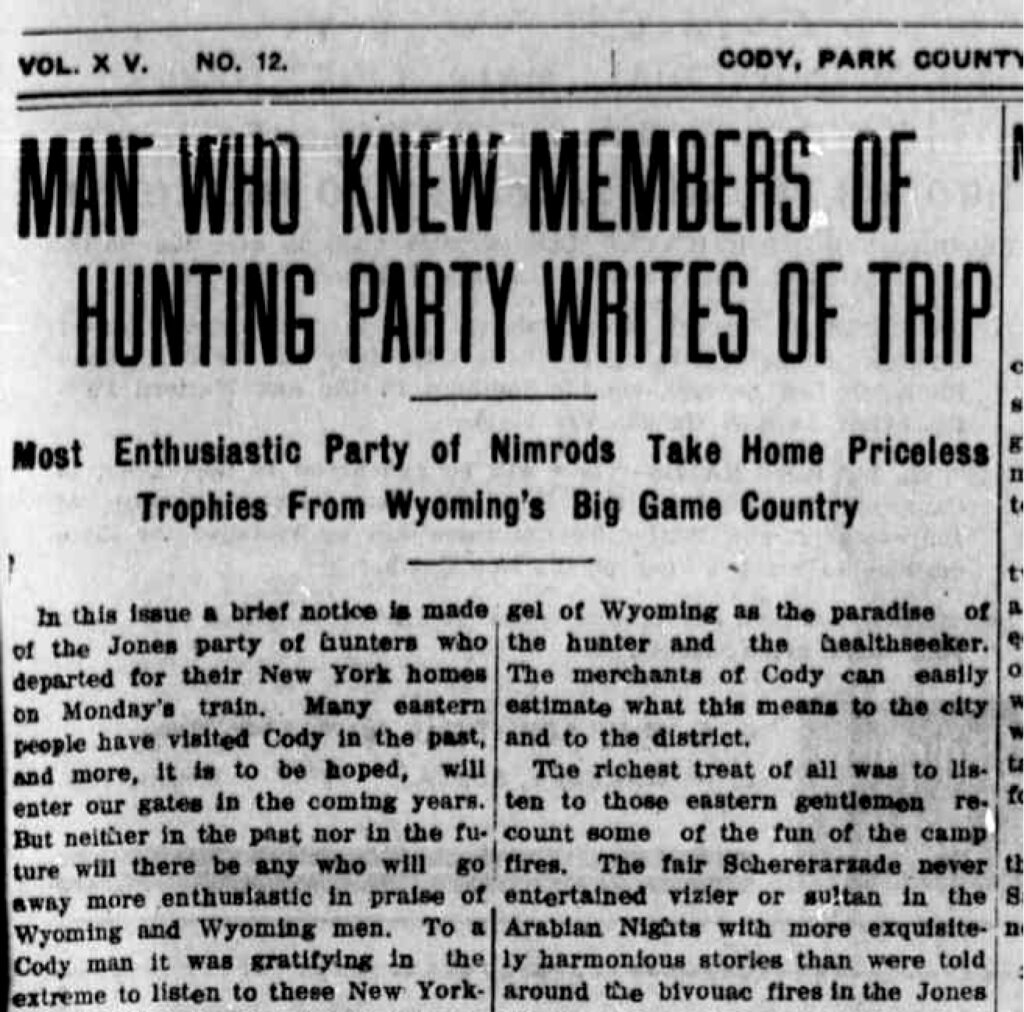
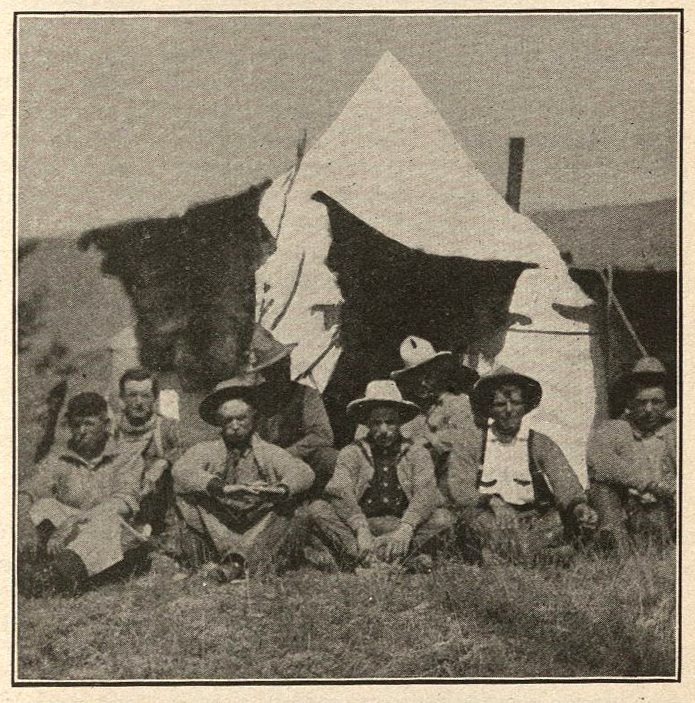
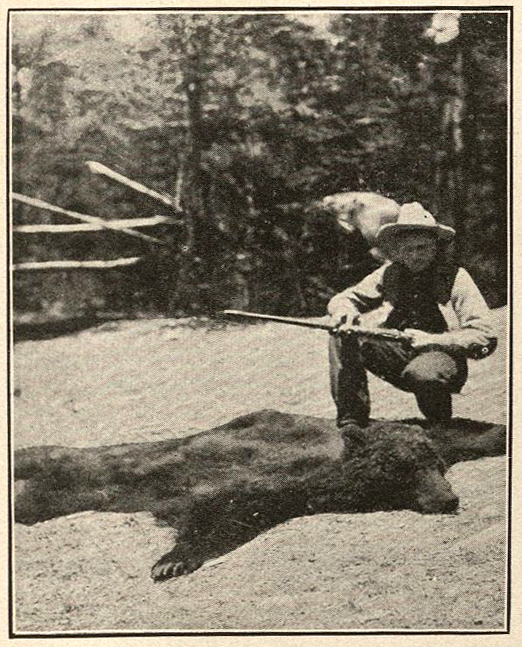
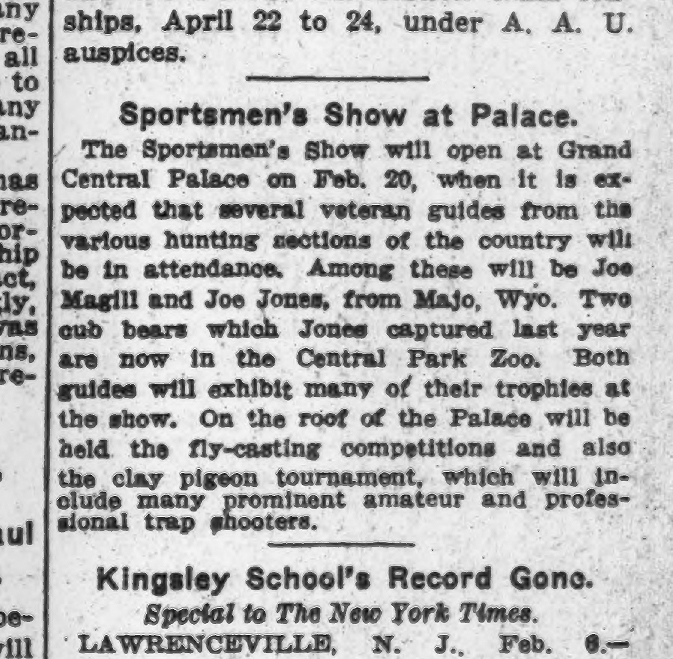
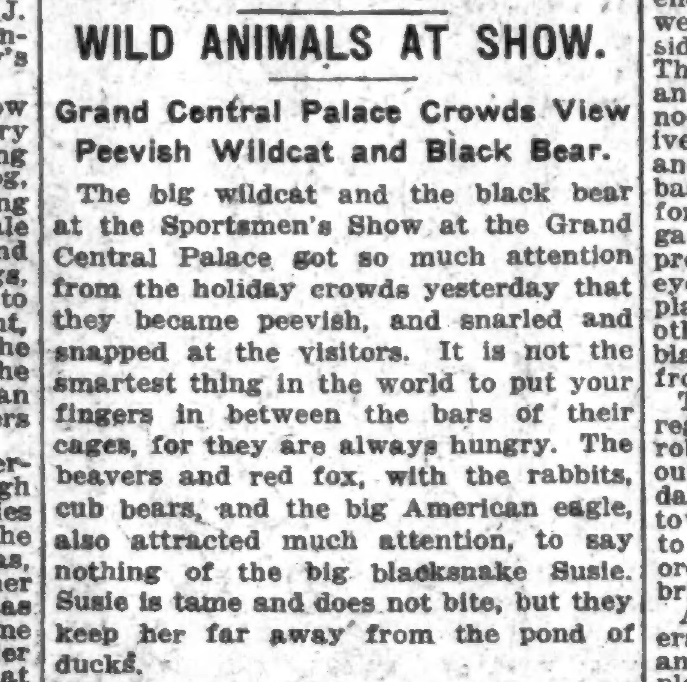
Show in New York; Dude ranch; show bears brought to Central Park Zoo; ad for ranch
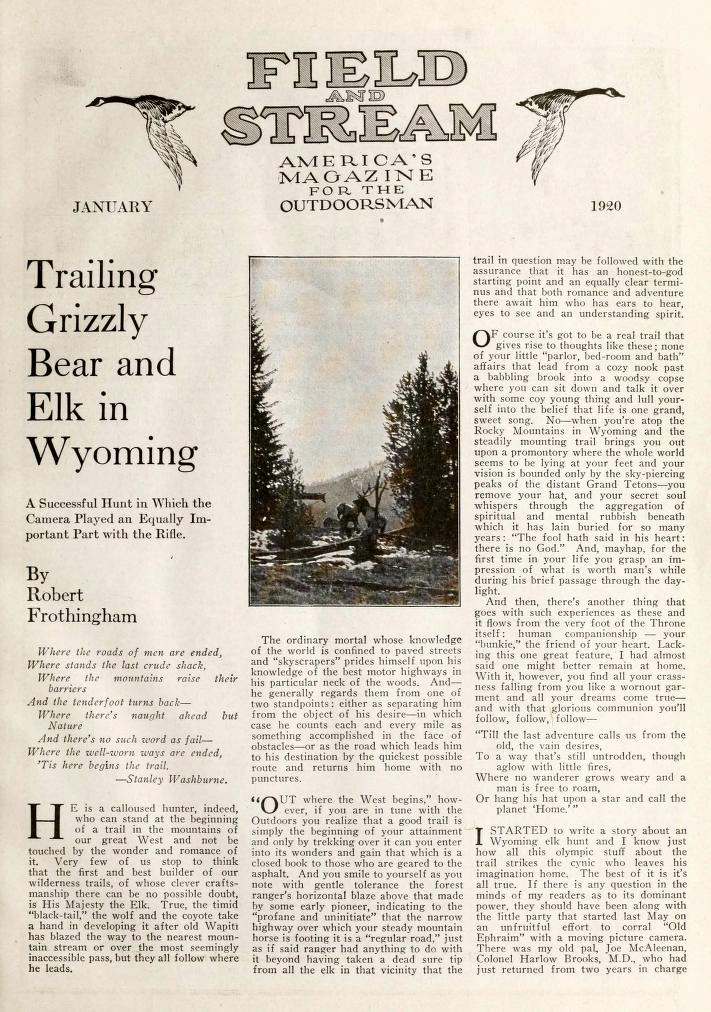
I started to write a story about an Wyoming elk hunt and I know just how all this Olympic stuff about the trail strikes the cynic who leaves his imagination home. The best of it is it’s all true. If there is any question in the minds of my readers as to its dominant power, they should have been along with the little party that started last May on an unfruitful effort to corral “Old Ephraim” with a moving picture camera. There was my old pal, Joe McAleenan, Colonel Harlow Brooks, M.D., who had just returned from two years in charge of the Medical Department of the Second Army in France; John Murgatroyd, the well-known taxidermist, and Dr. Leonard S. Sugden, the eminent Alaskan explorer, who, together with the humble scribe, were consigned to the tender mercies of that notorious little swashbuckler of a guide, Joe Jones, of Cody, Wyoming, than whom there is no more indefatigable and enthusiastic hunter, with a “heye like a heagle,” in all that glorious State. -Frothingham, Field and Stream, January 1920
Robert Frothingham, in this quote from an article he wrote for Field & Stream, titled “Trailing Grizzly Bear and Elk in Wyoming” describes… and lists its many party members, the central figures, McAleenan, Brooks, Murgatroyd, and Leonard S. Sugden, who… Joe Jones, along with his brother Monte… There are numerious articles like this one, written by Frothingham, McAleenan, and others [list some] which have given me, along with McAleenan’s books, insight into…
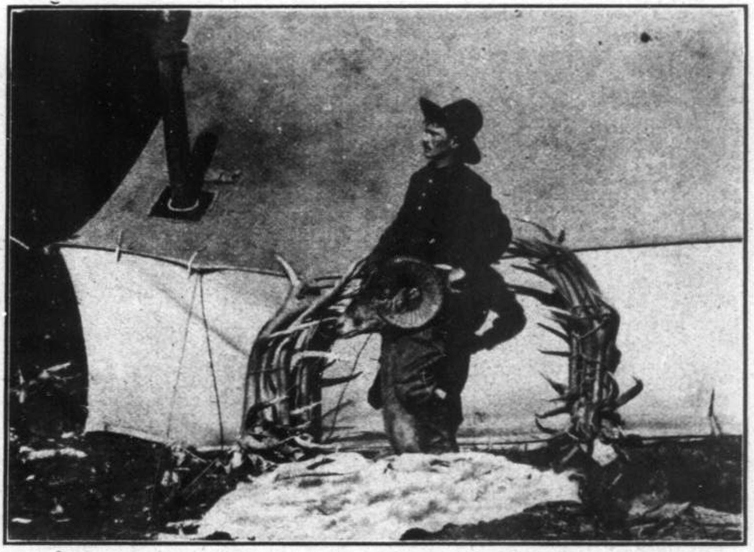
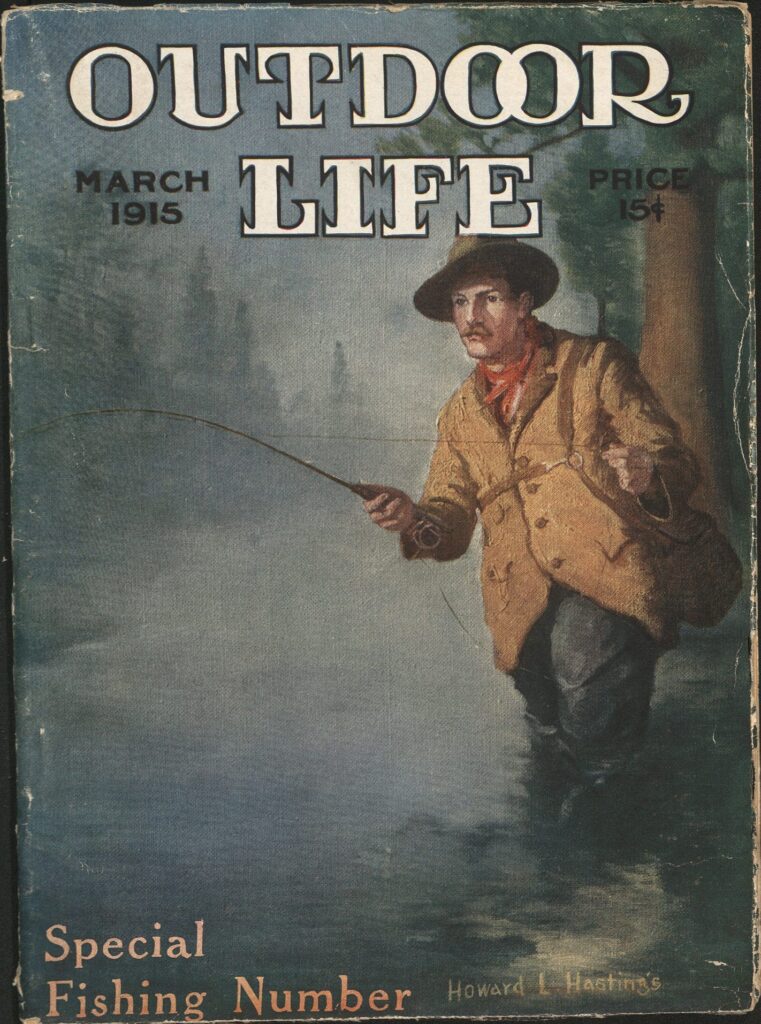
Here is to be found the typical Western life with all its embellishments. Joe Jones, the owner and master, is a character you meet once in a lifetime—a man possessed of unusual powers of endurance, well educated, a thoro sportsman, square and straight as you will find in many a day’s travel, and a true companion on any kind of an expedition. (Outdoor Life)
Claude summary: From the Outdoor Life (March 1921) article, here’s everything stated about Joe Jones:
- He was the owner and outfitter of Majo Ranch, located on the South Fork of the Shoshone River, about 55 miles from Cody, Wyoming, at the foot of Needle and Meeker mountains (which rise over 13,000 feet).
- The article describes him as “a character you meet once in a lifetime” — a man of unusual endurance, well educated, a thorough sportsman, and “square and straight as you will find in many a day’s travel,” as well as a true companion on any expedition.
- Majo Ranch itself is described as having a dozen guest cabins, a large log ranch house decorated with elk/deer/sheep heads and rifles, a Victrola, and shelves of books — with Joe’s own cook house and dwelling standing nearby.
- He had sharp hunting instincts — the piece credits his “wonderful eye” for spotting a distant elk herd that no one else could see.
- Led pack trains
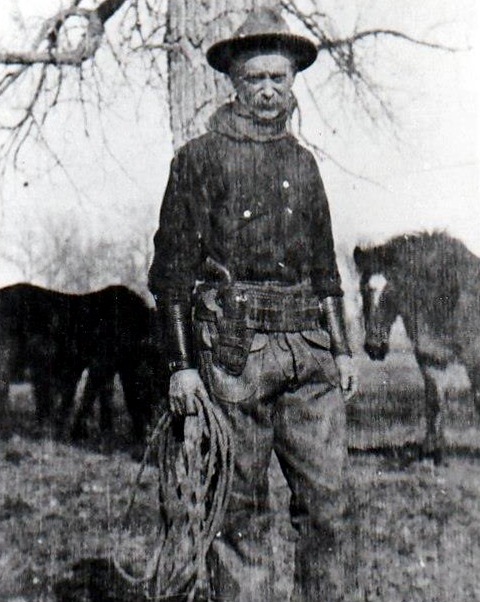
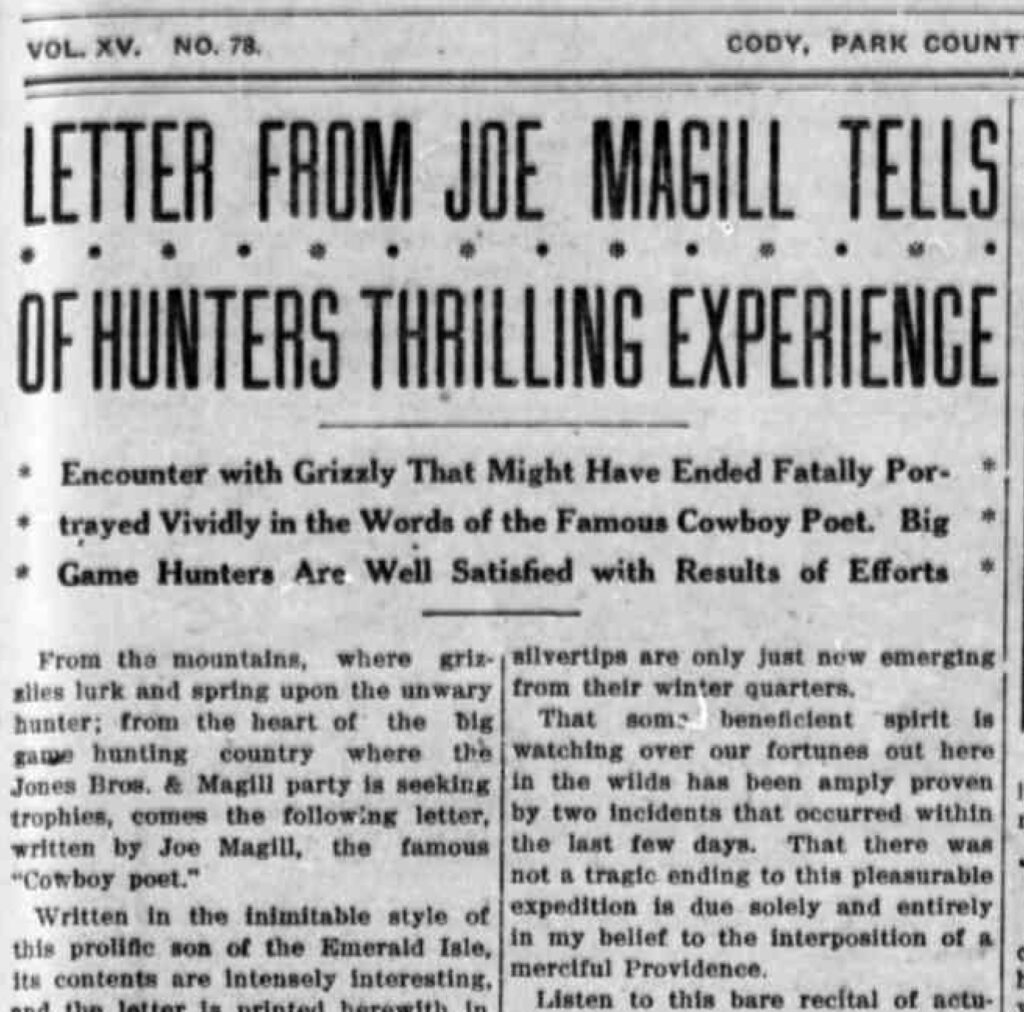
Joe Magill around 1847 or 48
Born in County Tyrone, Ireland (today in Northern Ireland)
At the age of 38 he immigrated to the US and/or to Wyoming, became a cow puncher
Cofounded the town of Thermopolis
Claude: “Rep. Frank Mondell of Wyoming read Joe Magill’s poem into the record during the House’s free-seed distribution debate, using it to needle the whole program by extension — if the government already hands out garden seeds and imported goat stock, why not fill individual constituent requests too? The poem itself is a mock-serious petition from a self-described “reformed Irish-American cow puncher” asking Mondell to secure him a Nanny and Billy goat from USDA’s imported Swiss or Persian breeding stock, on the grounds that goat milk is superior to cow’s milk (with tongue-in-cheek claims about it killing off “micrococci, bacilli”). Its purpose was comic rather than substantive — a bit of frontier humor a member could insert under the House’s loose “extend remarks” privilege, using absurdity to spotlight just how personal and small-scale federal agricultural patronage had become by 1906.” (CONGRESSIONAL RECORD)
Claude summary of article – Joe Magill, an Irish immigrant (born in County Tyrone) who came to Wyoming in 1885 at age 38 seeking adventure.
Key points:
- He worked as a cowhand on Rocky Mountain cattle before joining the small band of settlers who founded Thermopolis, Wyoming.
- The settlement sat near a notorious outlaw hideout — a gang of roughly 60 cattle/horse thieves and bank/train robbers who periodically terrorized the town.
- In 1894, while townsmen were away casting votes, outlaws robbed and beat a local storekeeper. The sheriff deputized Magill and five others into a posse.
- Magill recounts riding a wild bay horse 30 miles in under two hours to catch up with the gang, and describes a shootout in which one outlaw was wounded but survived despite no doctor being available.
- He notes that by 1896 the pressure on the gang grew so intense that many outlaws, including Butch Cassidy, fled to Argentina, where Cassidy was eventually killed by soldiers after a standoff.
- The piece closes with Magill, now elderly, reflecting that he’s content to live out his remaining years peacefully at the home.
This is a separate, later human-interest piece (likely a newspaper feature) confirming Magill’s real frontier credentials
Letters back and forth between him and McAleenan – talk about Irish ancestry
ADD Magill book to Whyte page and clear Wyoming resources to Digitized Sources page and then link from both to this page