
Wanting to know more about Ruth…
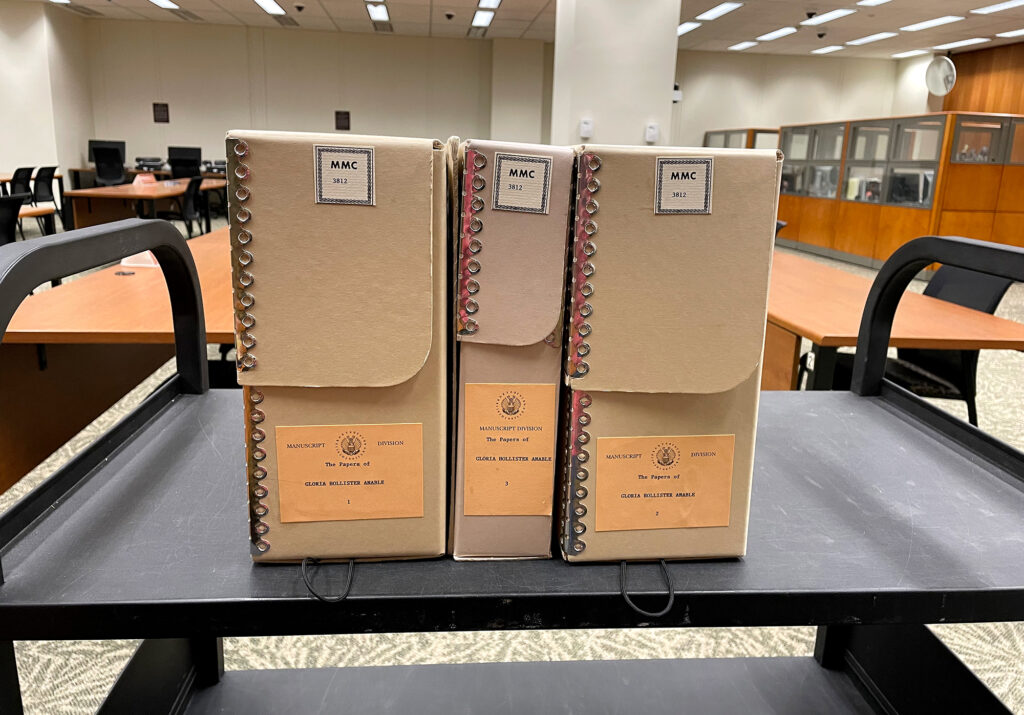
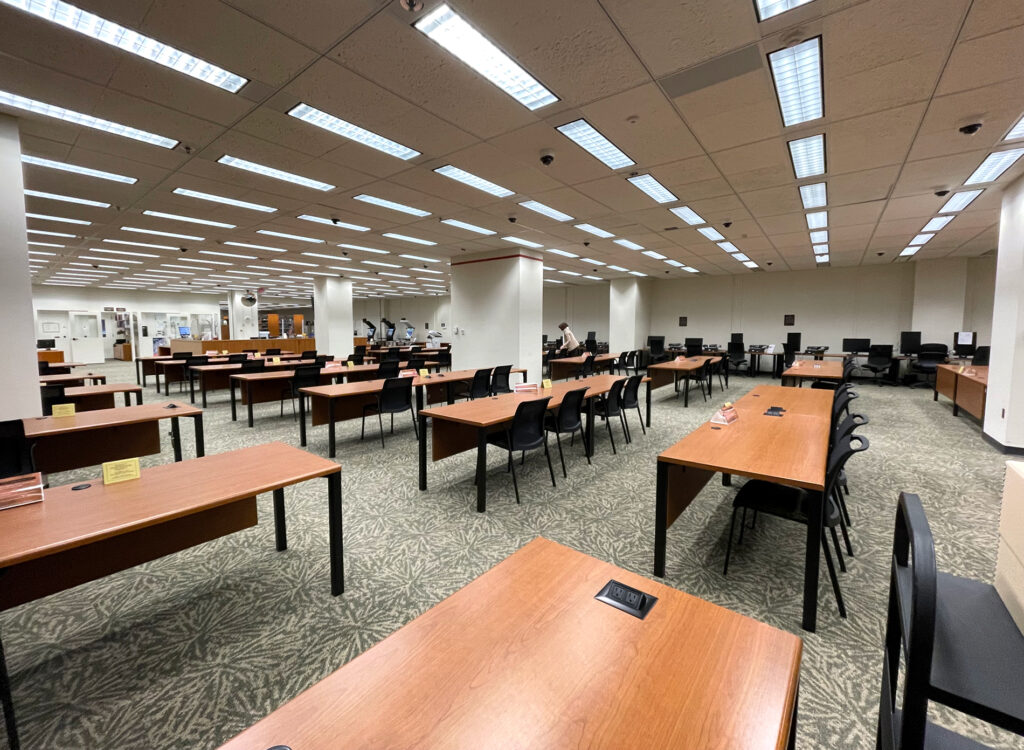
The LOC Manuscript Division… Reading Room is large, with numerous tables aligned in neat rows. Given the space, the fact that I was the only researcher in the room at the time, the three boxes they brought me to explore appeared commically animic. In fact, only three of the folders within the boxes are directly related to the “British Guiana Expedition,” which added to the effect. They made up the whole collection, so I requested it all, knowing I could easily get through it in a couple of hours. Archival collections are measured in feet. So you might see something like, “two leaner feet” in a finding aid, which tells you the collection is small. You might also see something like “twenty learner feet,” which tells you it is very large and you need to be more specific in the boxes you request.
In the end, there were only a few documents that directly related to Ruth…
Context
Gloria Hollister Anable
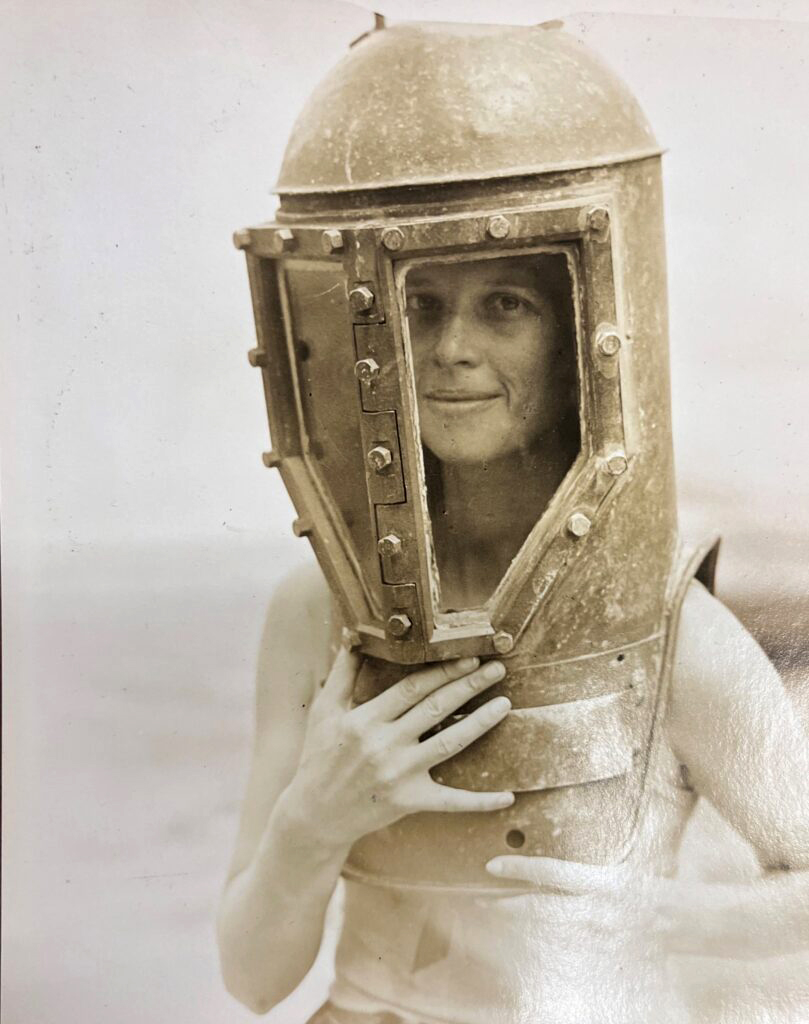
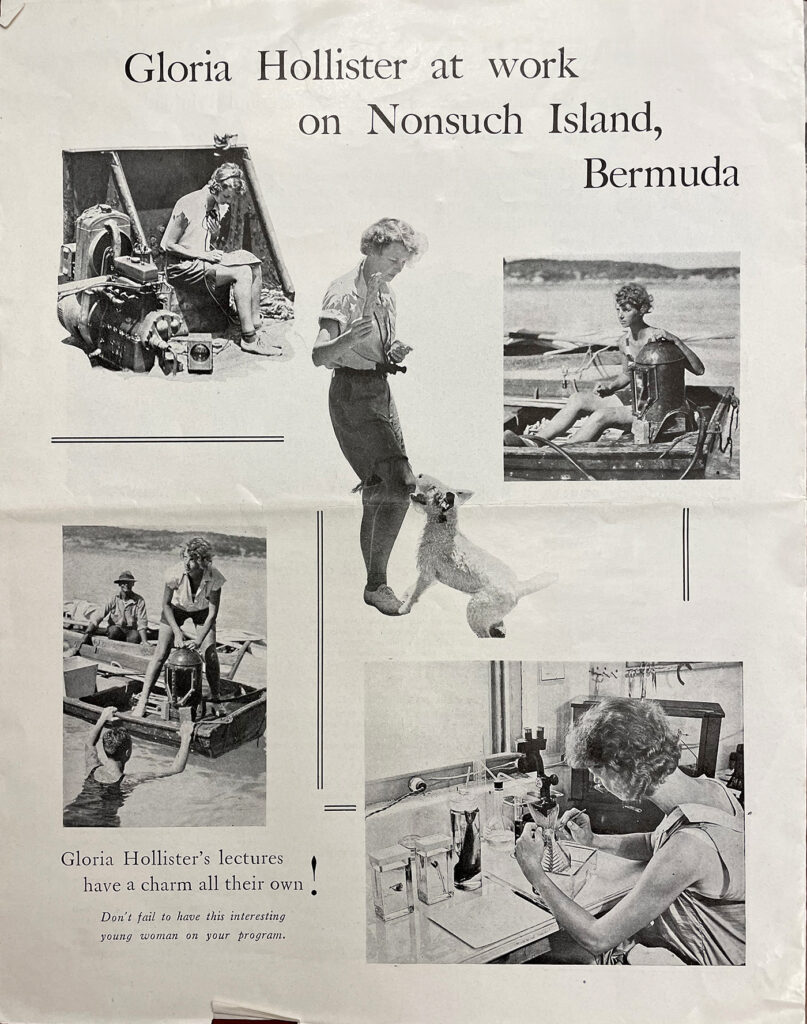
To understand this collection, you need to know a little about Gloria Hollister Anable (1900–1988). She was an American zoologist, explorer, and conservationist who spent the majority of her scientific career as a Research Associate in the New York Zoological Society’s Department of Tropical Research (DTR) working under William Beebe, a renowned naturalist and scientist. In addition to leading the 1936 British Guiana expedition, she participated in many others in both the Caribbean and Pacific. The most famous, the Bermuda Oceanographic Expeditions, which took place over three years, led to her setting the women’s depth record at 1,208 feet in 1931 (CITE) (CITE).
Without realizing it at the time, she came up much earlier in my research in a letter I found at the Whyte Museum in which her father, Frank Hollister, seeks to arrange a hunting trip with Jimmy Simpson per the recommendation of Harlow Brooks, Ruth Walker Brooks’ father. Hollister tells Simpson that he “will be accompanied by his sixteen-year-old daughter” (IMG_0063). [Something about her adventurous spirit] The friendship and professional connection between the two men (both Hollister and Brooks were doctors) seem to have ultimately led to Gloria and Ruth’s connection, and to Ruth’s participation in the expedition, where she brought her needed artistic abilities.
The Expedition
You also need to know a little about the British Guiana expedition….
In 1936, Ruth joined the twenty-third New York Zoological Society’s Scientific Department of Tropical Research expedition as the staff artist, a role that existed on scientific expeditions, even after the advent of photography, because cameras couldn’t render true color and failed to capture aspects of nature as faithfully as artists could. The team led by Gloria also included Arthur VB Menkin, the staff photographer, and set out on April 2 from New York aboard the R.M.S. Nerissa, a luxury cruiser (NYZS Bulletin 167). Coming and going from the ship as it made port throughout the Caribbean, the team explored a number of islands for scientific purposes and, at times, for pleasure. In Trinidad, they observed the guacharo bird; in Barbados, they studied and recorded the catching of flying fish; and in British Guiana (what is Guyana today), they observed the hoatzin bird (NYZS Bulletin 167). As they traveled, they collected living specimens for the NYZS, which were shipped to and recorded what they saw in journals, photographs, and motion pictures.
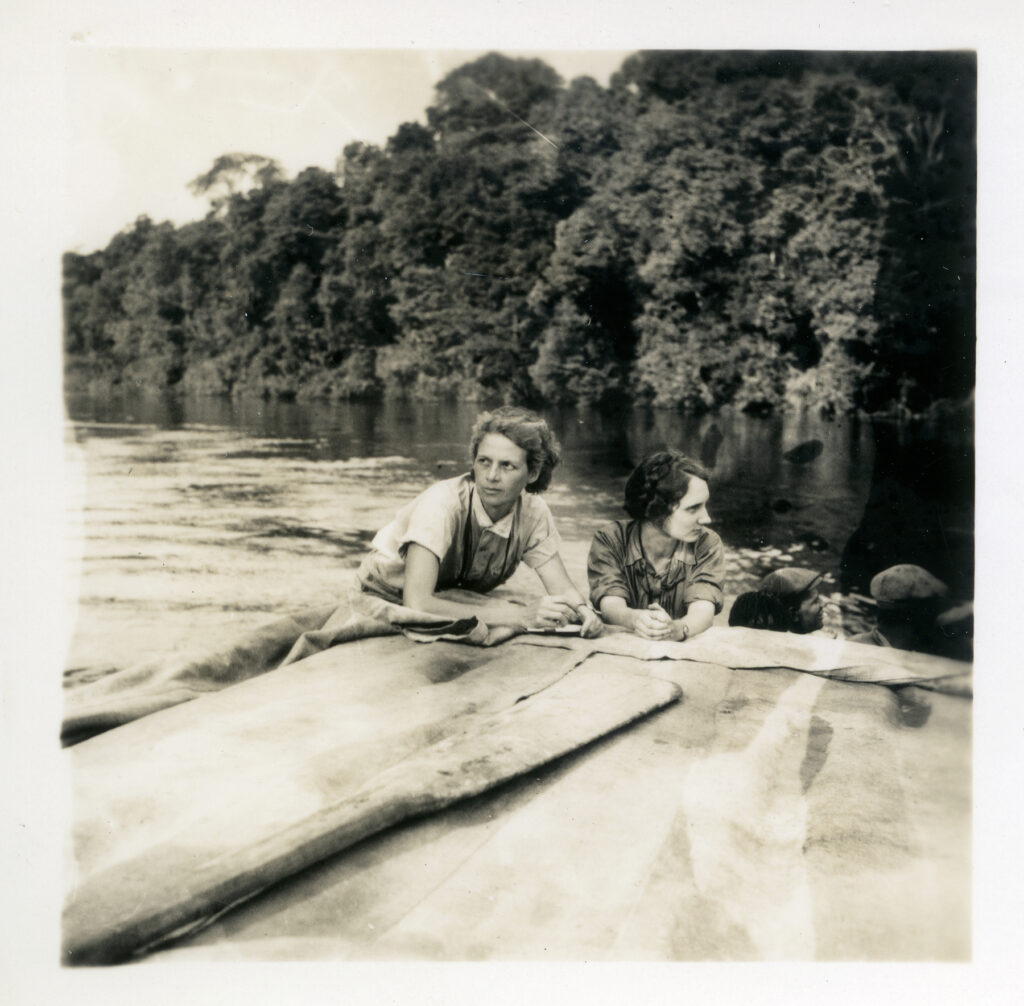
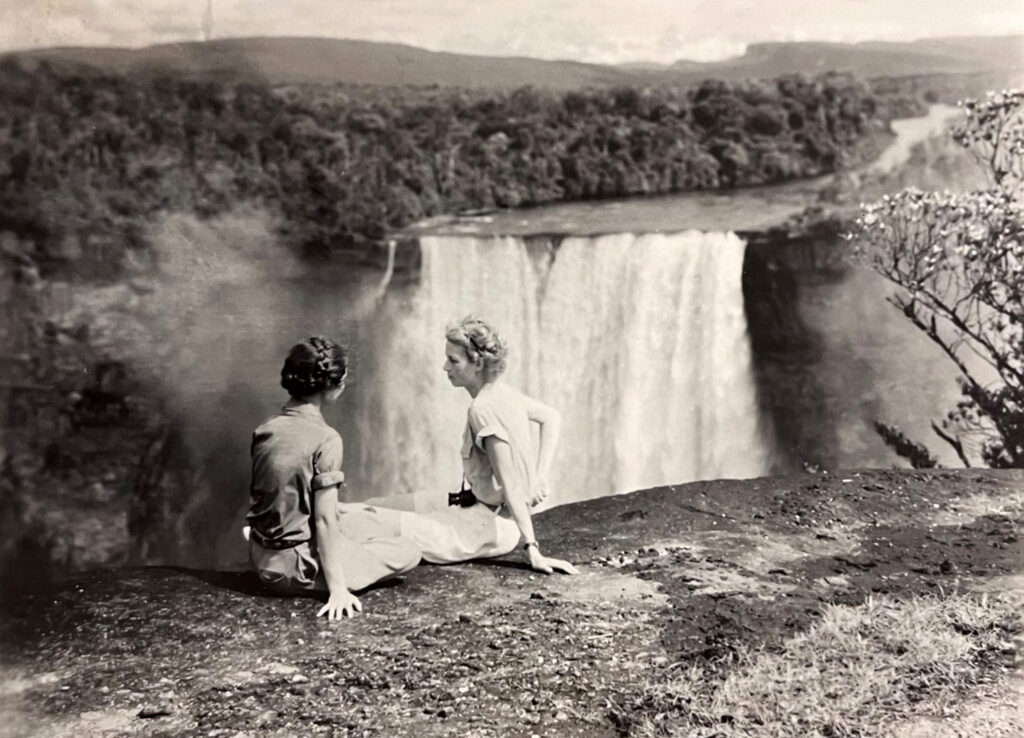
The Kaieteur Falls, located deep in the heart of British Guiana, was the apex of their journey. After driving from Bartica on a government-made dirt road for one hundred miles to Garraway bridge (more formally known as the Denham Suspension Bridge) in Mahdia and then six more miles to Kangaruma, where they were joined by a Patamona Indian family who were hired as carriers for their 2000 pounds of food and equipment as they boated and hiked their way to Kaieteur (NYZS Bulletin 174 and 177). At the falls, they camped, photographed, and filmed, and, with the arrival of an amphibious plane flown by an American pilot and co-pilot, they were able to take aerial images and record over forty waterfalls that had not been charted on American or European maps (NYZS Bulletin 179).
I turned to two key published sources to understand the expedition: the New York Zoological Report, an annual overview published once a year, and the Bulletin, published every two months and dives into more detail about specific expeditions, discoveries, studies, notes about the Zoological Park, and the like. The report provides a concise summation of the expedition, which is useful for your understanding of it:
“The itinerary of the Twenty-third expedition, inaugurated and led by Miss Hollister, included Trinidad as well as Kaieteur Falls in the interior of British Guiana, South America. Miss Hollister was accompanied by Miss Ruth Walker Brooks, artist, Mr. Arthur vB. Menken, photographer, and, during part of the expedition, by Mr. Arthur Williams, airplane pilot, and Mr. Harry Wendt, co-pilot. Some of the accomplishments of this expedition, which lasted from April 2 to May 25, were the recording of observations on the guacharo or oil-bird of Trinidad, the peculiar methods utilized in capturing flying-fish at Barbados, and of the early life of the hoatzin. Motion picture studies were made of the hoatzin and a magnificent series of films was brought back, taken both from the ground and from an airplane, of Kaieteur Fall and the surrounding plateau and jungle, these including views of a number of new and unknown falls. A collection of live birds and animals was brought back to the Zoological Park.” (DTR report, 1937)
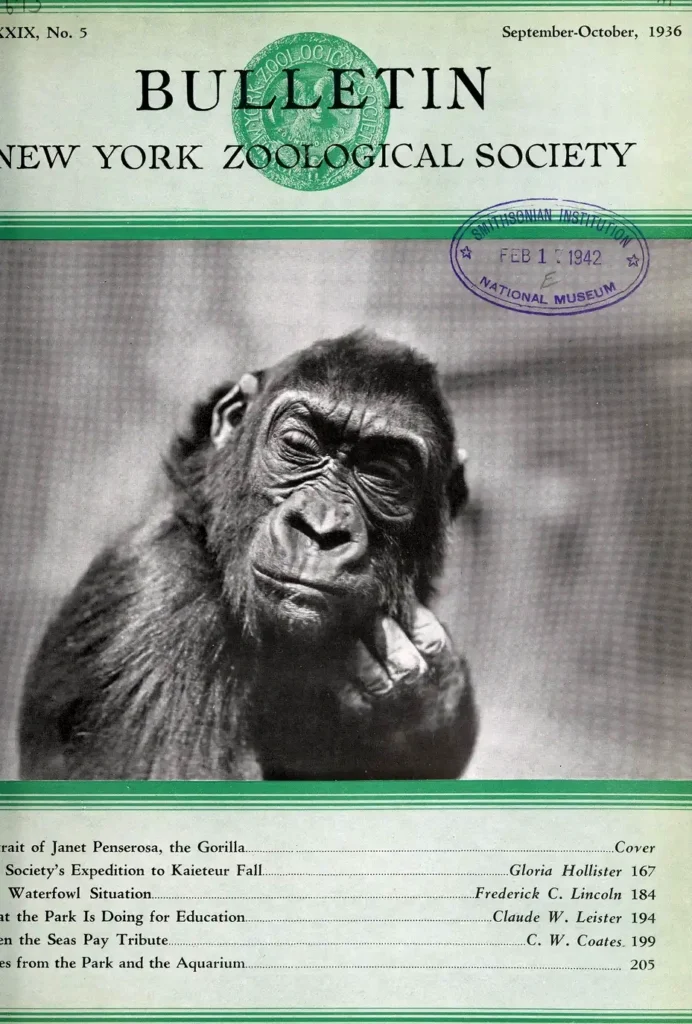
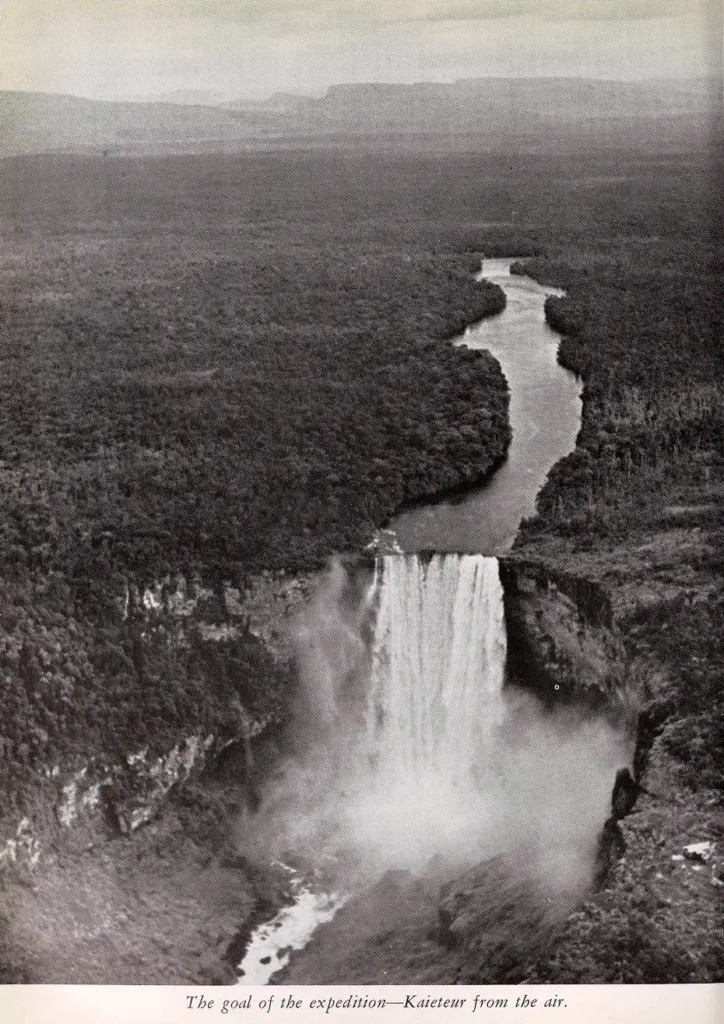
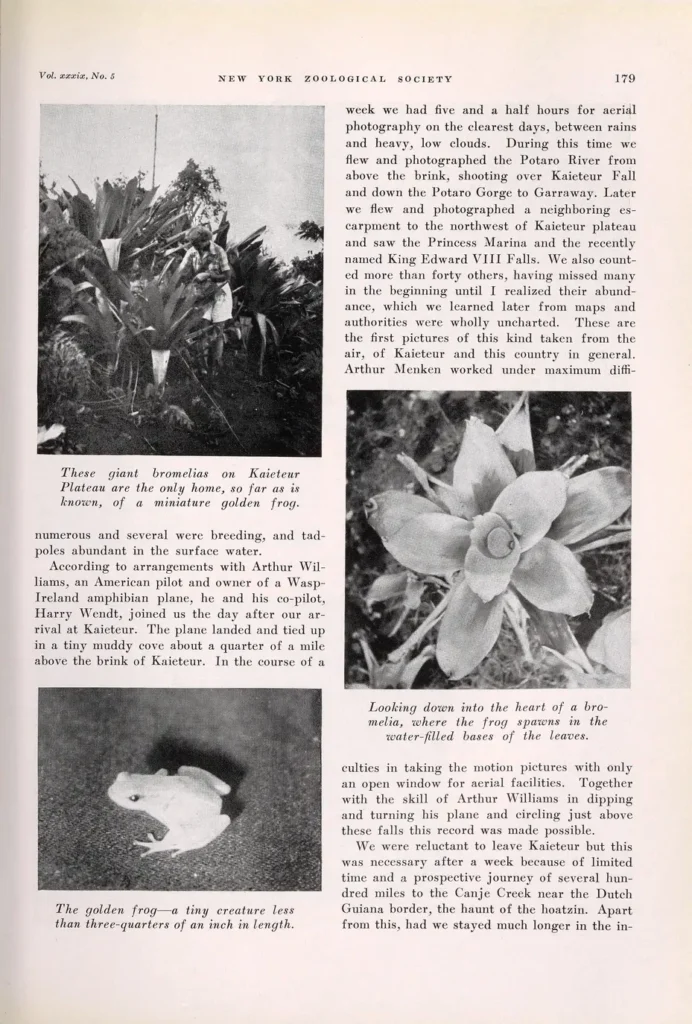
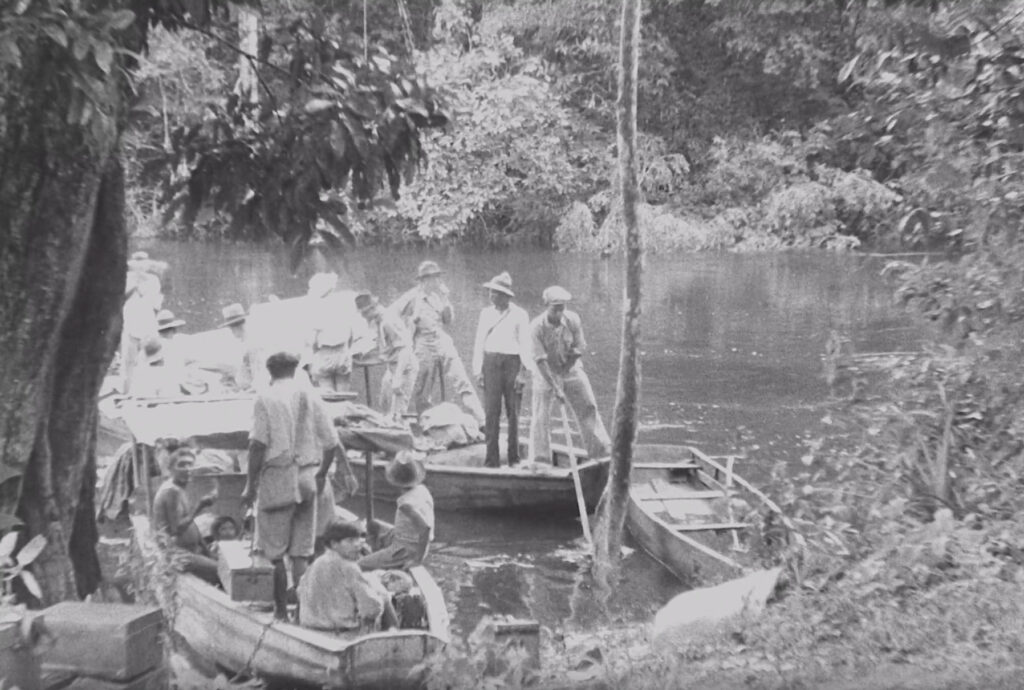
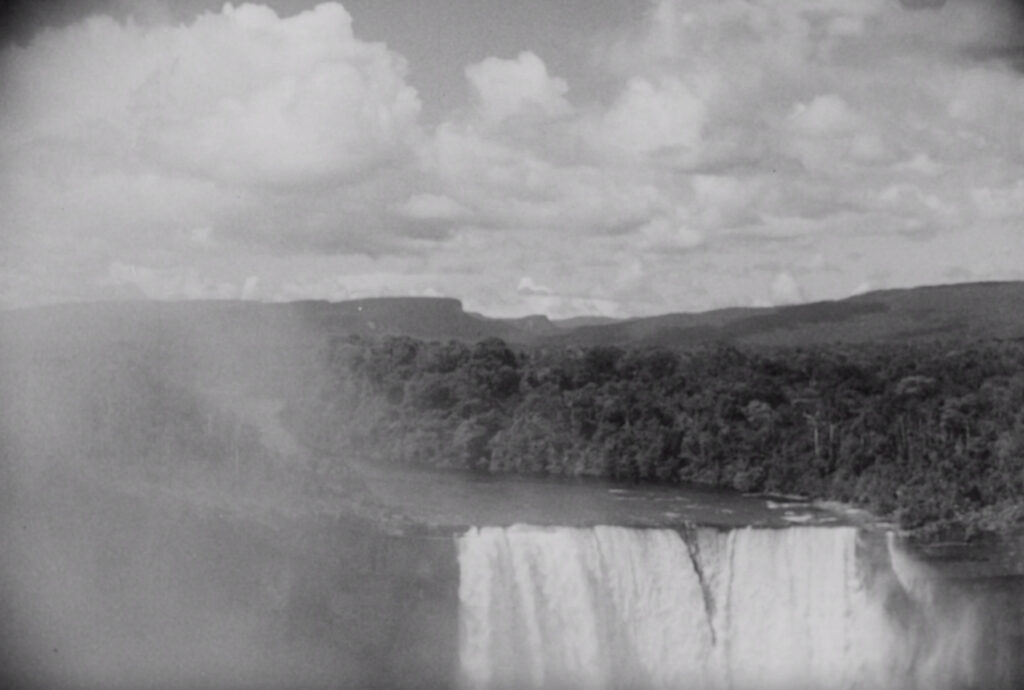
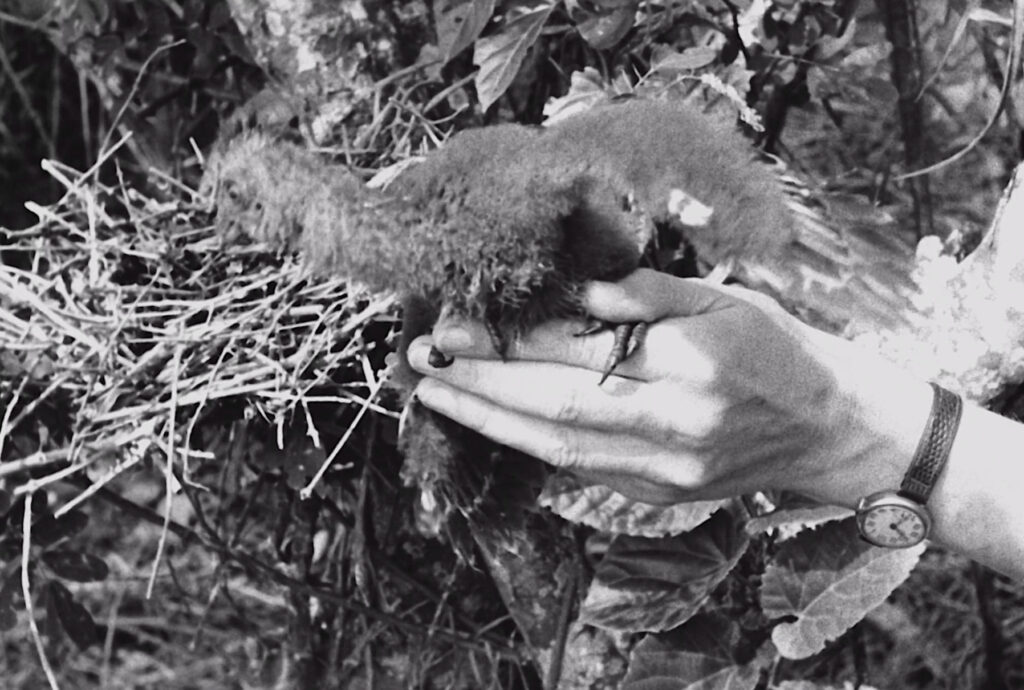
To learn more about it, read Gloria Hollister’s account in the New York Zoological Society Bulletin, September-October 1936. The WCS archive also has digitized film shot during the expedition, which is…
The Collection
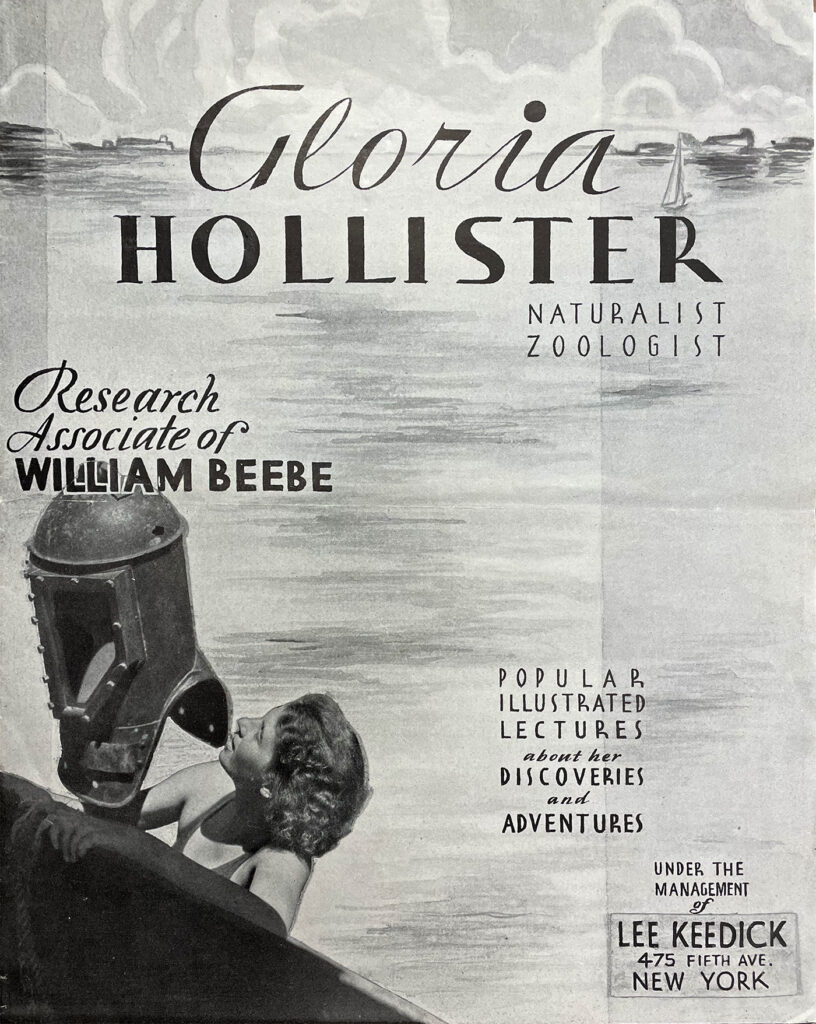
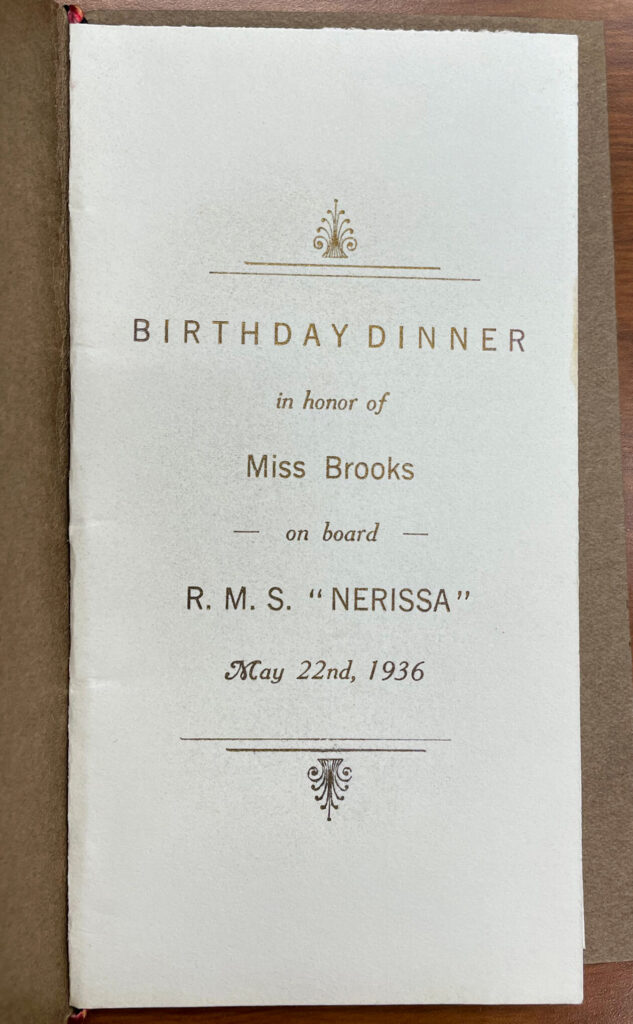
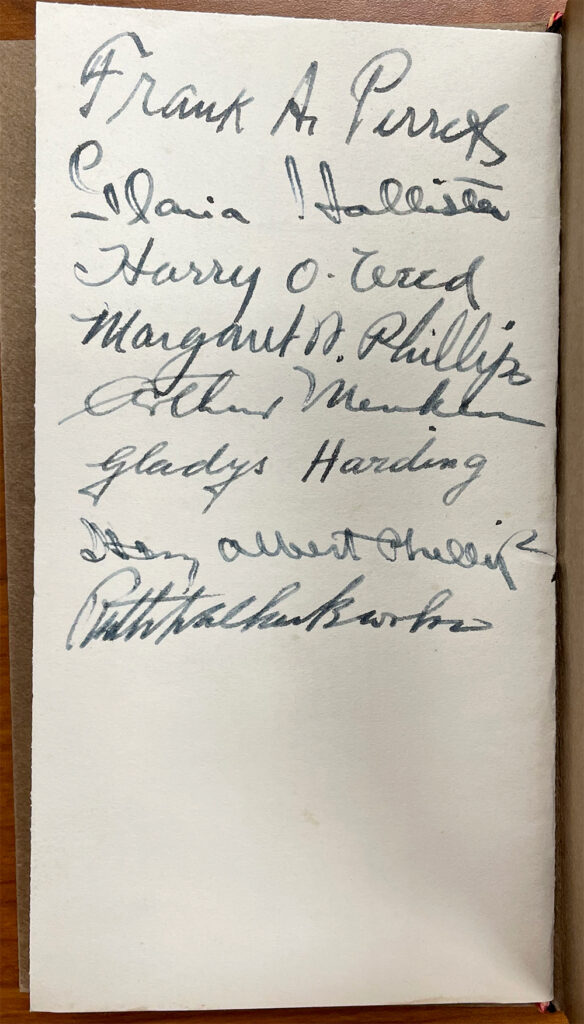
The LOC’s collection had only a few materials that directly related to Ruth, but what they were fascinating. There was a Nerissa dinner menu booklet celebrating her birthday and a birthday song written by the known author and screenwriter Henry (Harry) Albert Phillips, who may have been traveling to gather material for a book he published that same year, White Elephants In The Caribbean.
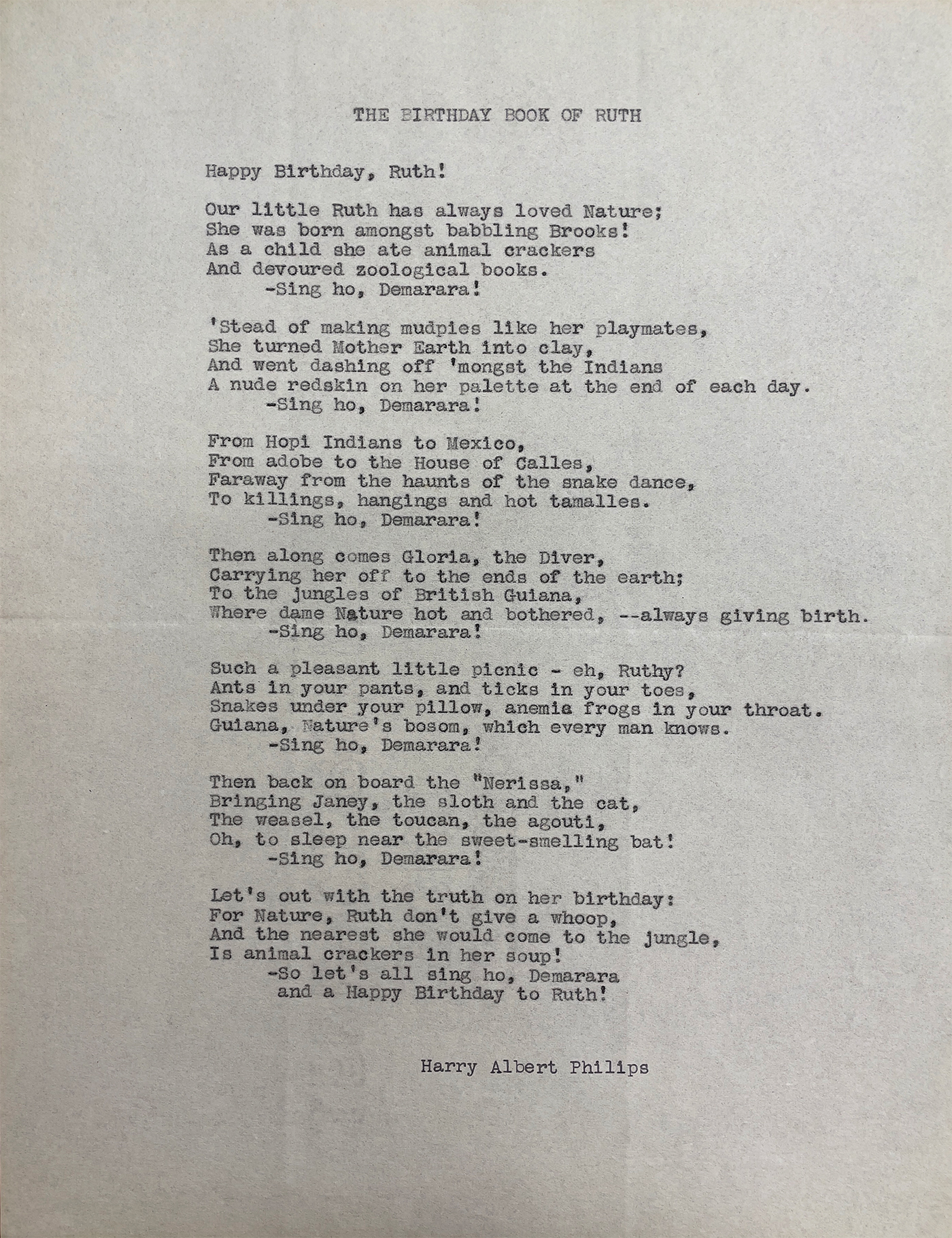
[CREATE AUDIO ANNOTATION OF SONG]
On the surface, the song seems playful and silly, but it actually contains several biographical details about Ruth, suggesting that Phillips knew her well. I suspect that he and his wife, who was also on the ship, as indicated by her signature in the booklet, were connected with Ruth’s parents and may have been in the same New York social circle.
The song references Ruth’s family’s travels to the west, where she and her father would participate in archeological digs, Brooks would provide care at the Sage Memorial Hospital, and Ruth would sculpt people she met on reservations [check]… sculpture and, of course, the expedition she was on.
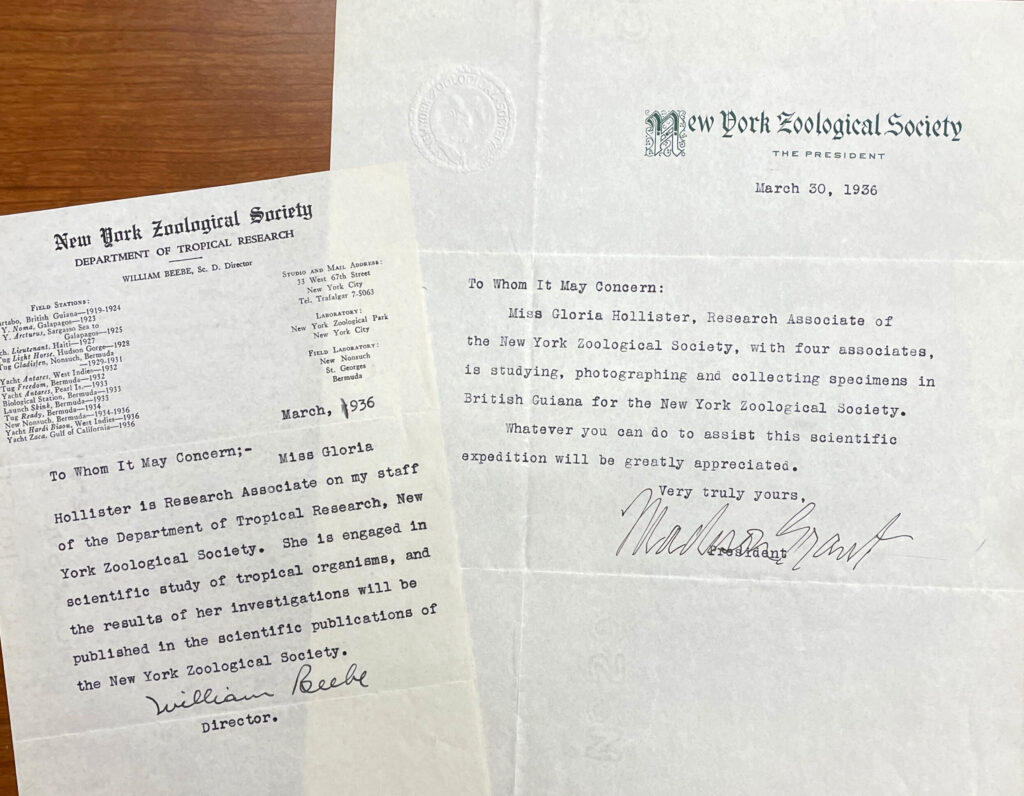
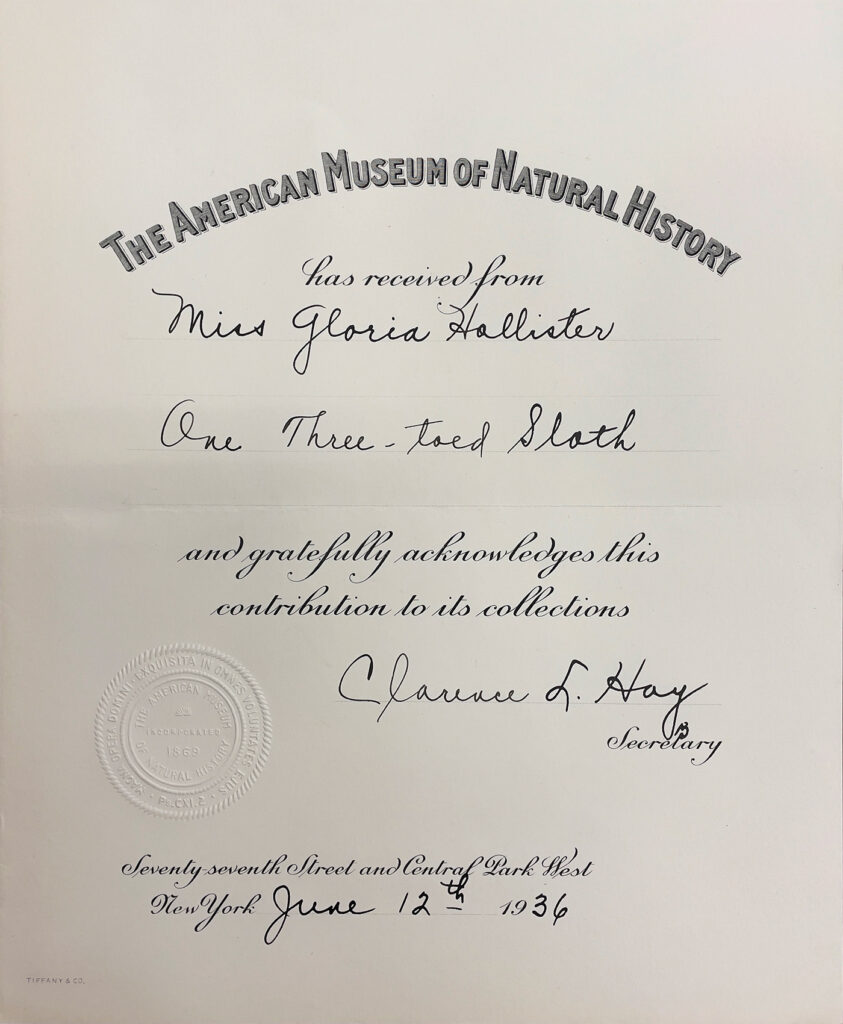
Provided more color and nuance not available in the published articles…
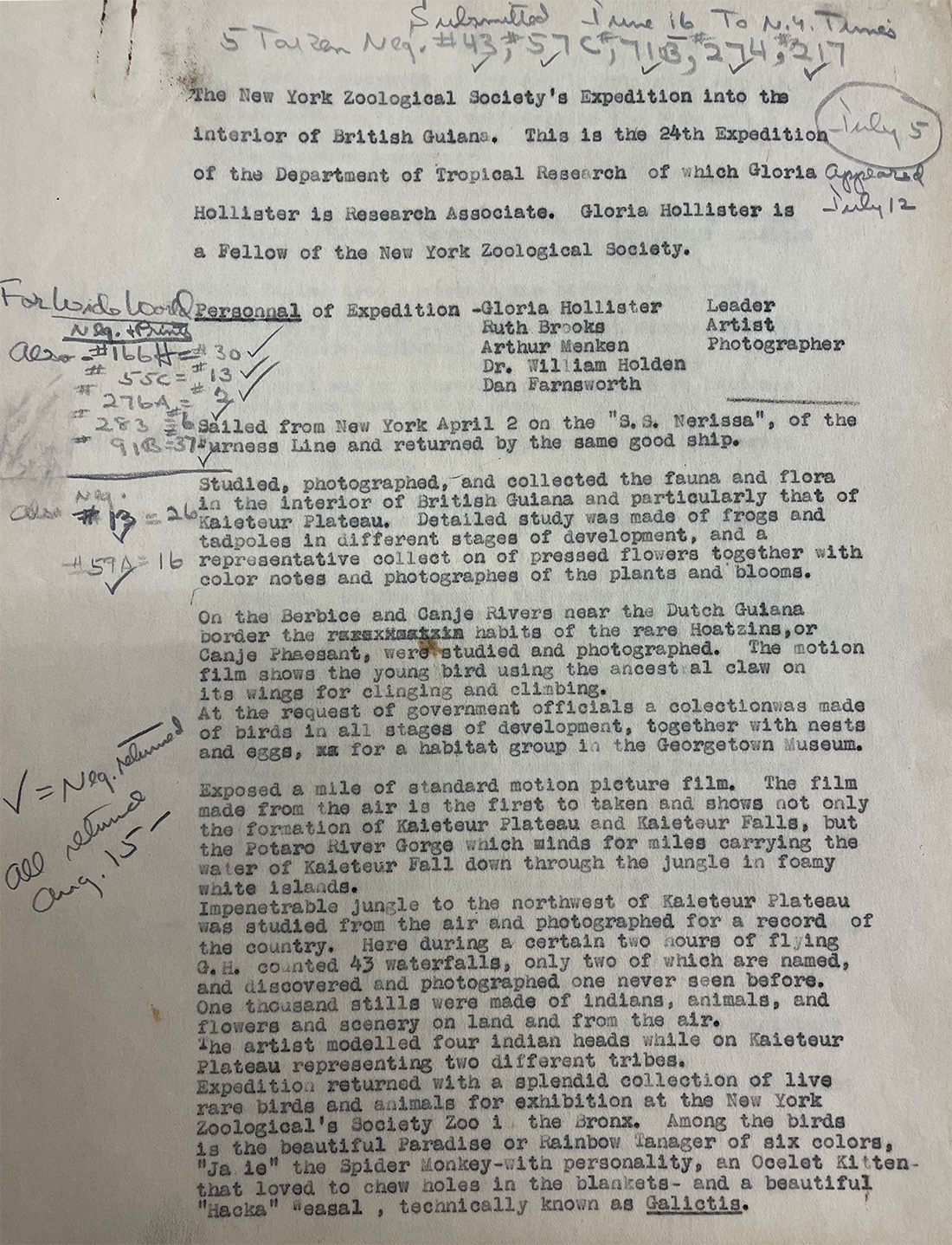
In a set of notes listing the various film clips they capture, there is also a brief summary of the trip and the staff, which included Gloria Hollister (leader), Ruth Brooks (artist), Arthur Menken (photographer), Dr. William Holden, and Dan Farnsworth. Holden and Fransworth roles are unspeificed but a March 27, 1936 New York Times article states that the former studied “native diseases and medicines” and the latter studied “primitive native music” (NYT). Interestingly, they are not mentioned in the NYZS Report or Bulletin.
“Sailed from New York April 2 on the ‘S.S. Nerissa’, of the Furness Line and returned by the same good ship…Studied, photographed, and collected the fauna and flora in the interior of British Guiana and particularly that of Kaieteur Plateau. Detailed study was made of frogs and tadpoles in different stages of development, and a representative collect on [sic] of pressed flowers together with color notes and photographs of the plants and blooms…The artist modelled four indian heads while on Kaieteur Plateau representing two tribes…Expedition returned with a splended collection of live rare birds and animals for exhibition at the New York Zoological’s Society Zoo in the Bronx…” (IMG_6871)
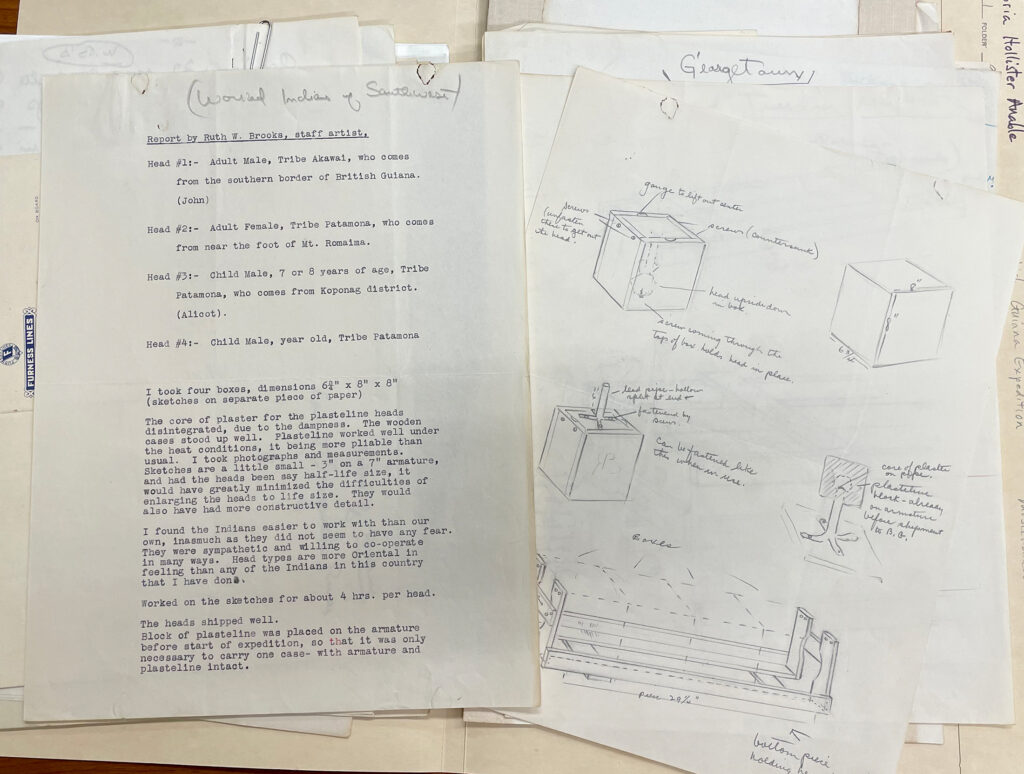
There was also a report by Ruth that described the sculptures she produced of indiginious people, her process of creating them–she created scultptural sketches, photographed, and measured the individual’s heads, the time it took for each—about four hours—and the experience she has working with the people, “I found the Indians easier to work with than our own, inasmuch as they did not seem to have any fear. They were sympathetic and willing to co-operate in many ways” (IMG_6854). There was also packing and shipping information, including a diagram drawing of the container in which they were shipped, seemingly as useful for the safe packing and unpacking of the sculptures.
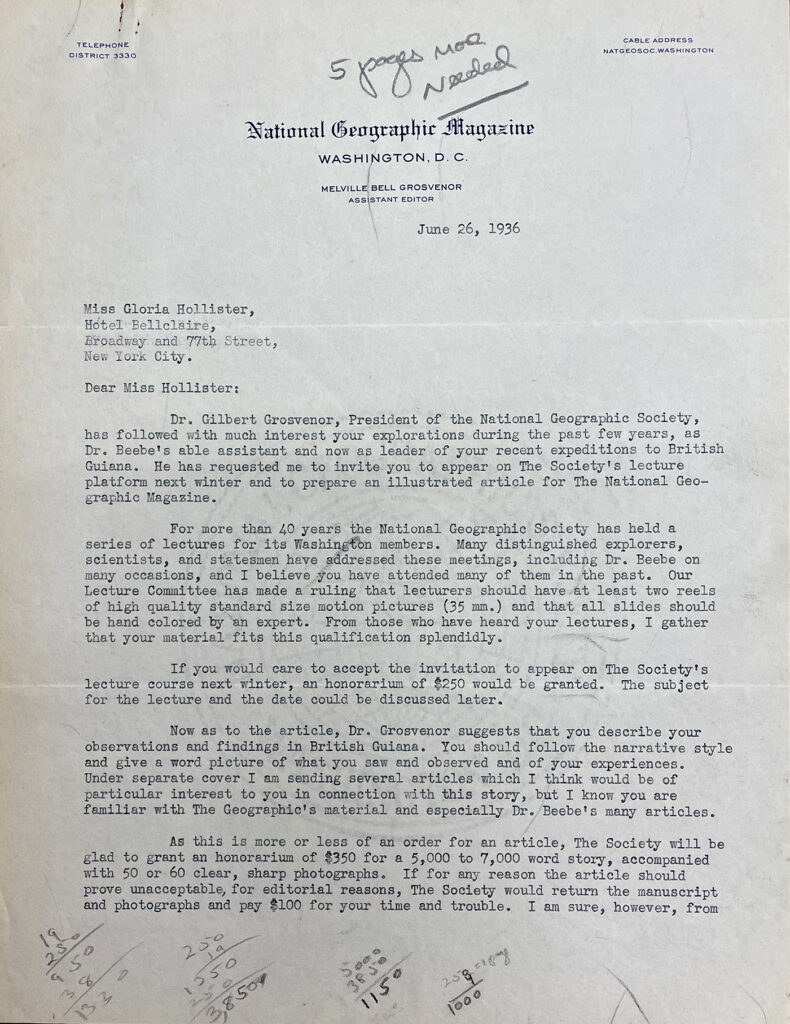
I came upon a manuscript, “British Guiana: Land of Giant Waterfalls,” and an article written for National Geographic that was never published, so the manuscript was of particular research value. Unlike the NYZS publications, which were necessarily straightforward and scientific, the manuscript provided a little more color to the experience. In it, Gloria writes about riding through the dense forest along the roughly cut government road… “Many times during the day I felt like a very small Kim.” (IMG_6802).
“Among the many boxes was a painted canister which was filled with a varied assortment of barter for the indians in the interior. Here they no longer like the usual trinkets [but] instead prefer bright beads, miniature bottles of the cheapest perfume, and red dress materials. The men are especially eager for sacks of shot which they use in old muzzle-loading guns long discarded by white men. Anything bright, as a mirror or small coin is chosen instead of a paper bill. In my very special kit-box together with jars, vials, and formalin for collecting and preserving unusual creatures were a few natural history books and several old favorites for pre-slumber perusal.” (IMG_6800)
“While I was slightly disappointed with Gloria Hollister’s Guiana article, it contains splendid material. Miss Hollister devoted too much time in the first part of the manuscript to describing her mode of travel in matter-of-fact style. She slights the native tribes, their customs, mode of living, and warlike proclivities; and the animals of the jungle” (Grosvenor IMG_6925)
Indicative of the belief that people of non-European origin categorically fall within the area of natural history, while people of European origin are outside this history, observing it, and recording it. This longstanding perspective exists to this day in natural history museums, which… treating people as biological or anthropological objects of study
Making the fact that it was not published believable
AHNH Journal, Why There’s No Hall of European Peoples in the American Museum of Natural History
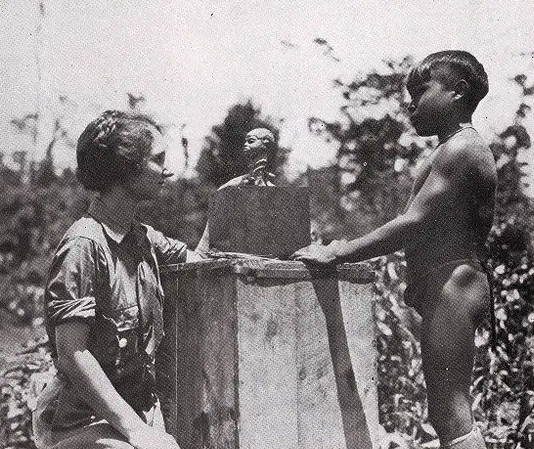
You may find it unsettling that the indigenous people, a man from the Akawai tribe (named John), a woman from the Patamona tribe (unnamed), and two boys from the same tribe, (one named Alicot, the other unnamed), it’s because it implies, if not outright communicates, that the white Americans see them as being part of the flora and fauna.
Indicative of the collapsing of people of non-European origin into categories with flora and fauna, natural history museums. Studying people with the same lens
NYZS, Explorers Club materials, see some of these materials in NYZS
The original caption read “Alicot, a young boy of the Patamona tribe, posed patiently for Ruth Brooks while she made a model of his head.
←Library of Congress Folklife Center | Philadelphia Presbyterian Historical Society→