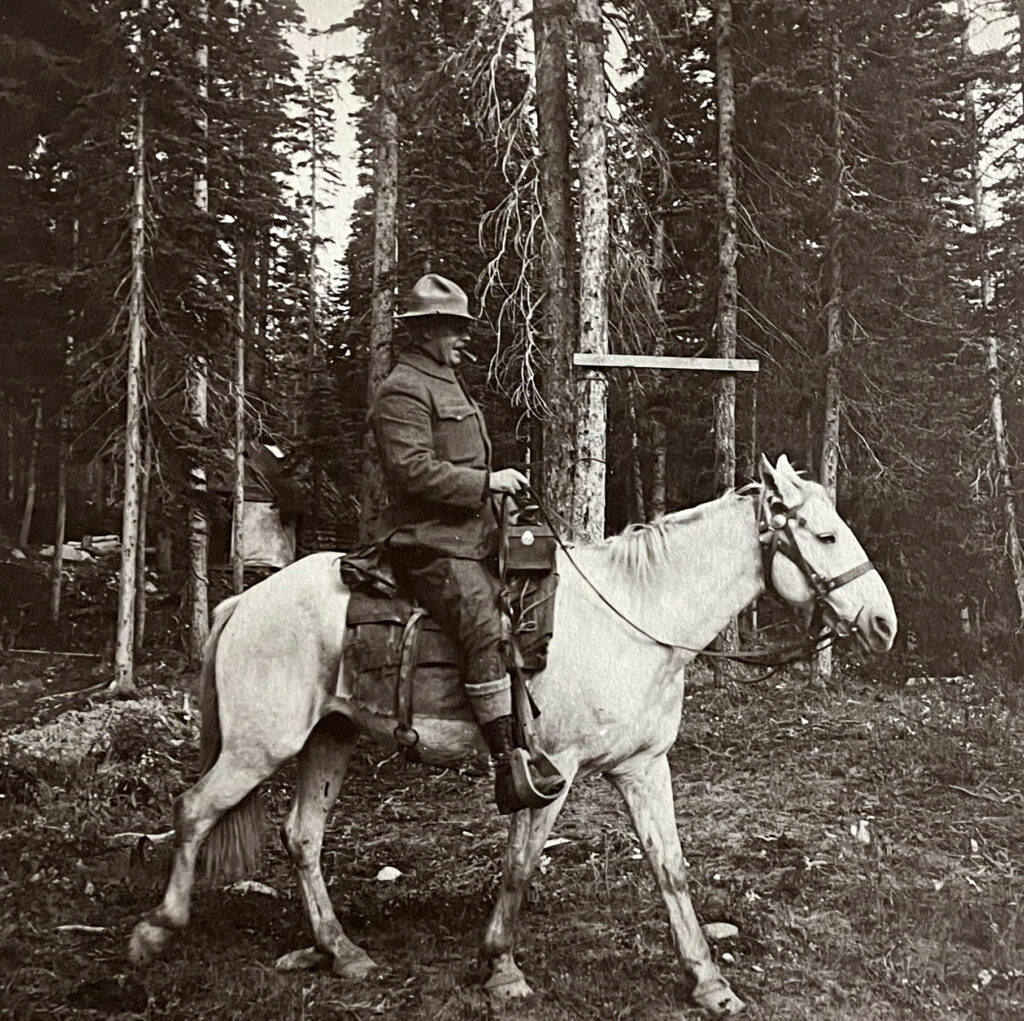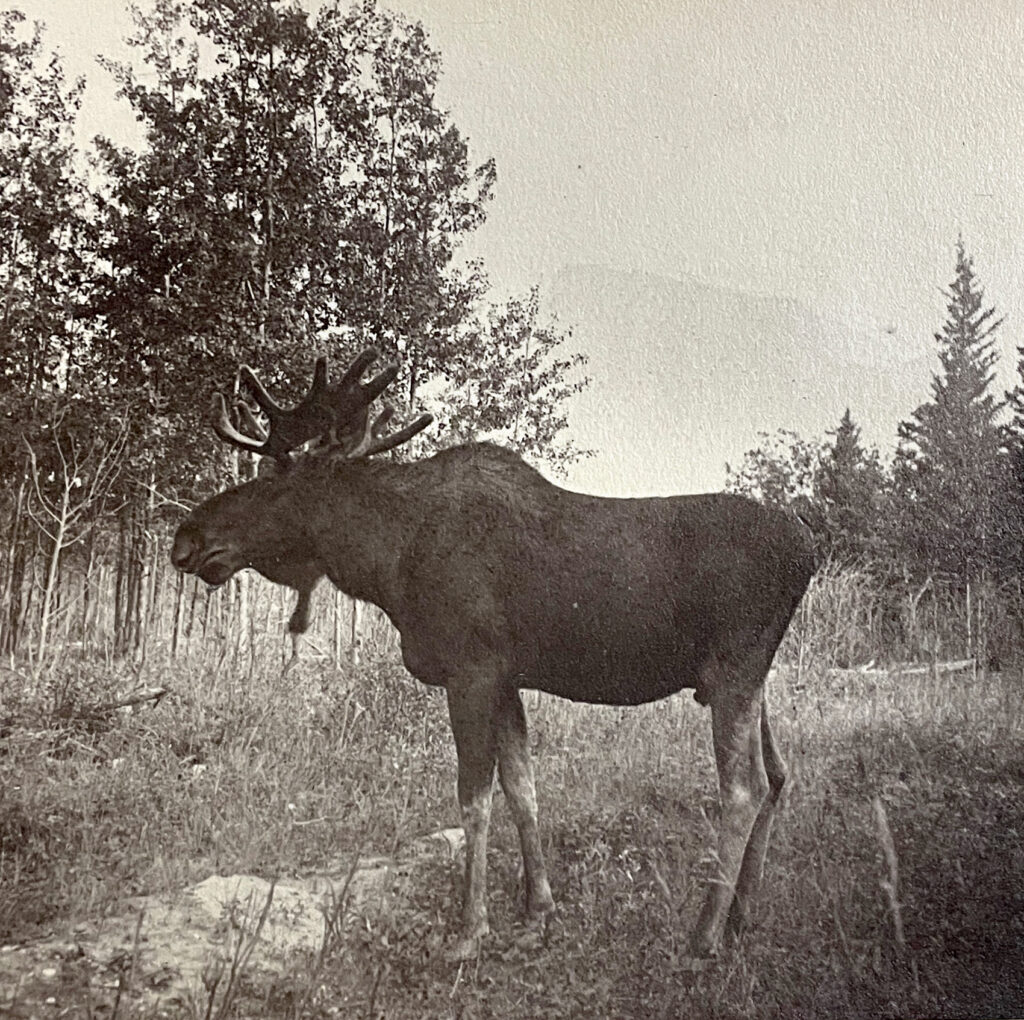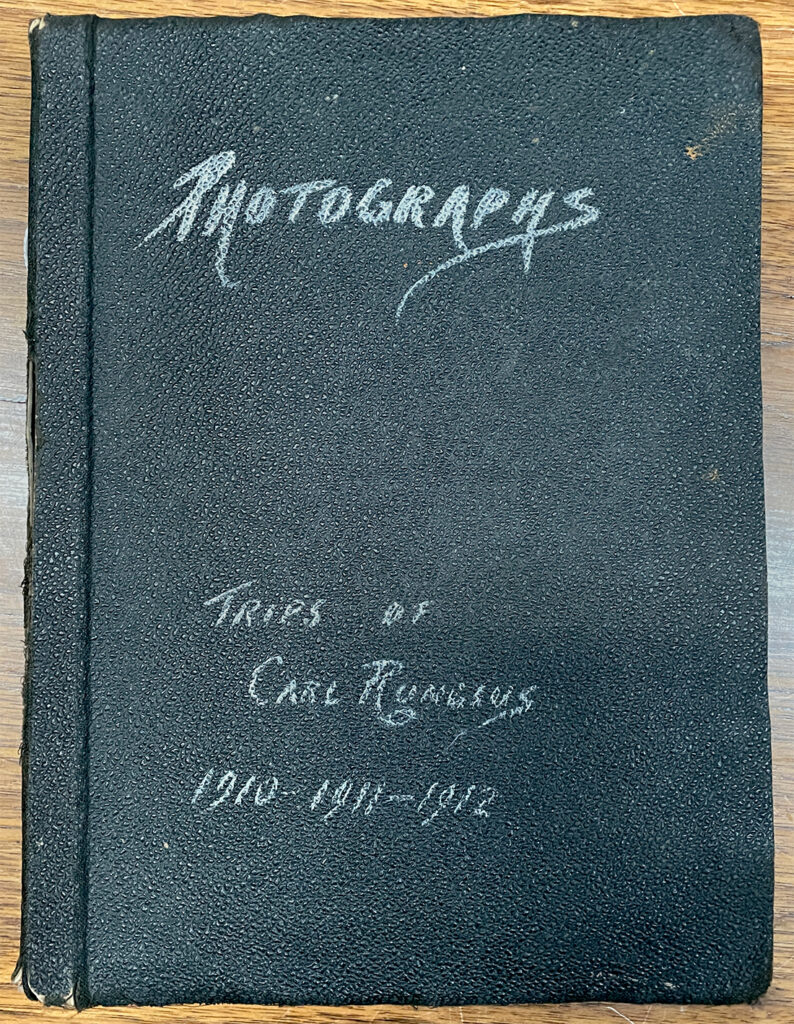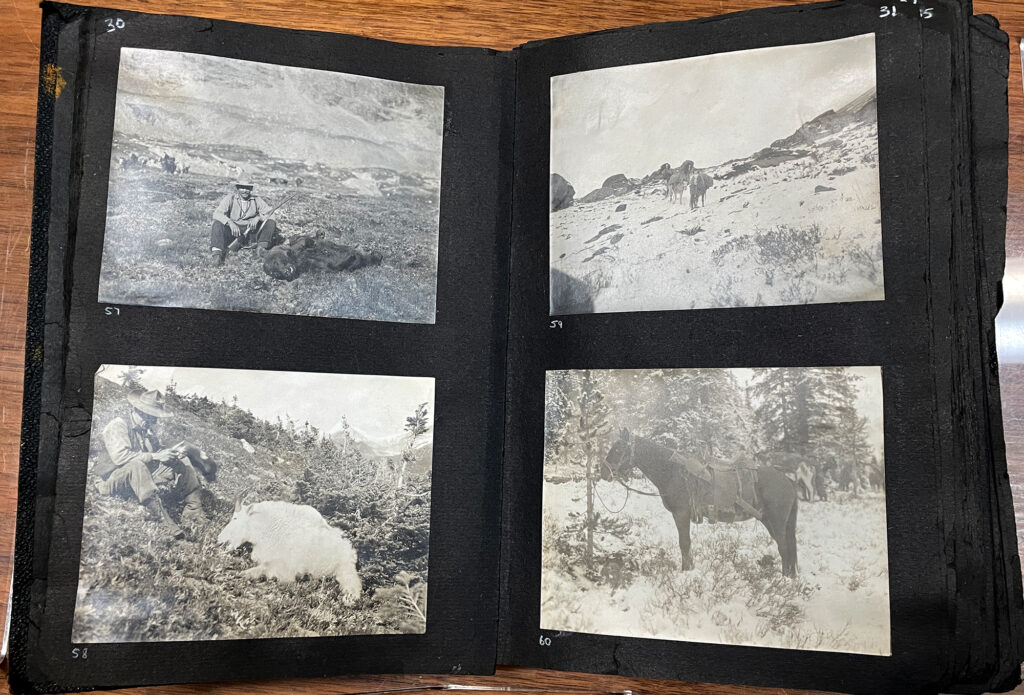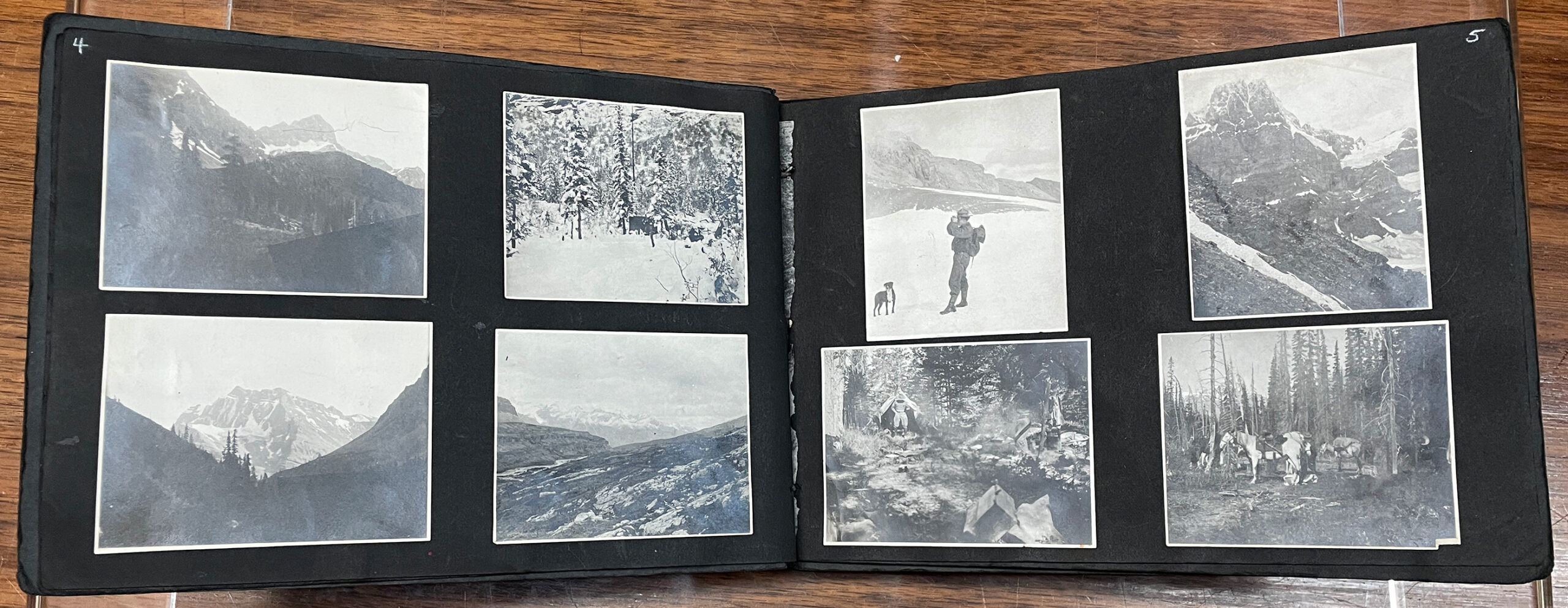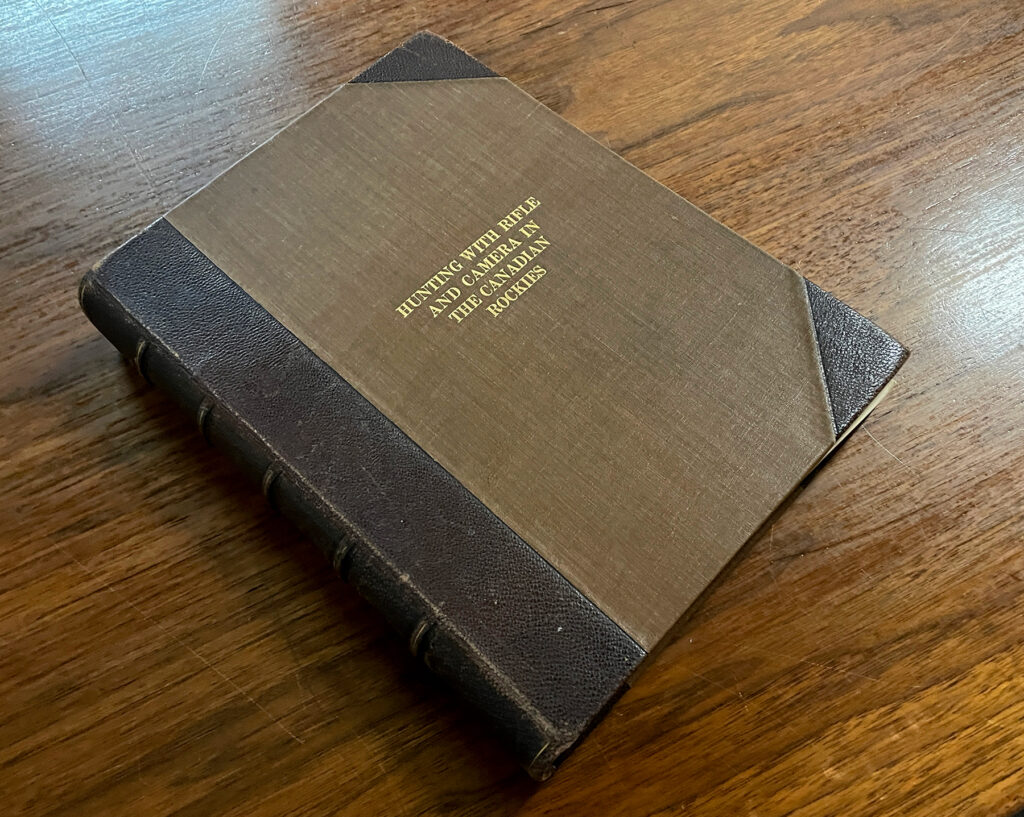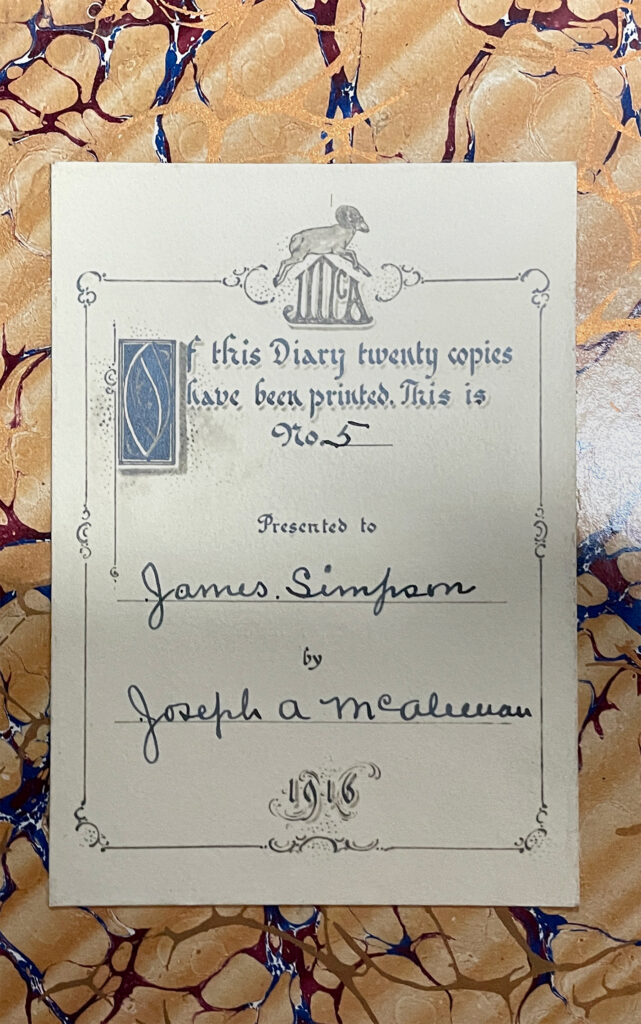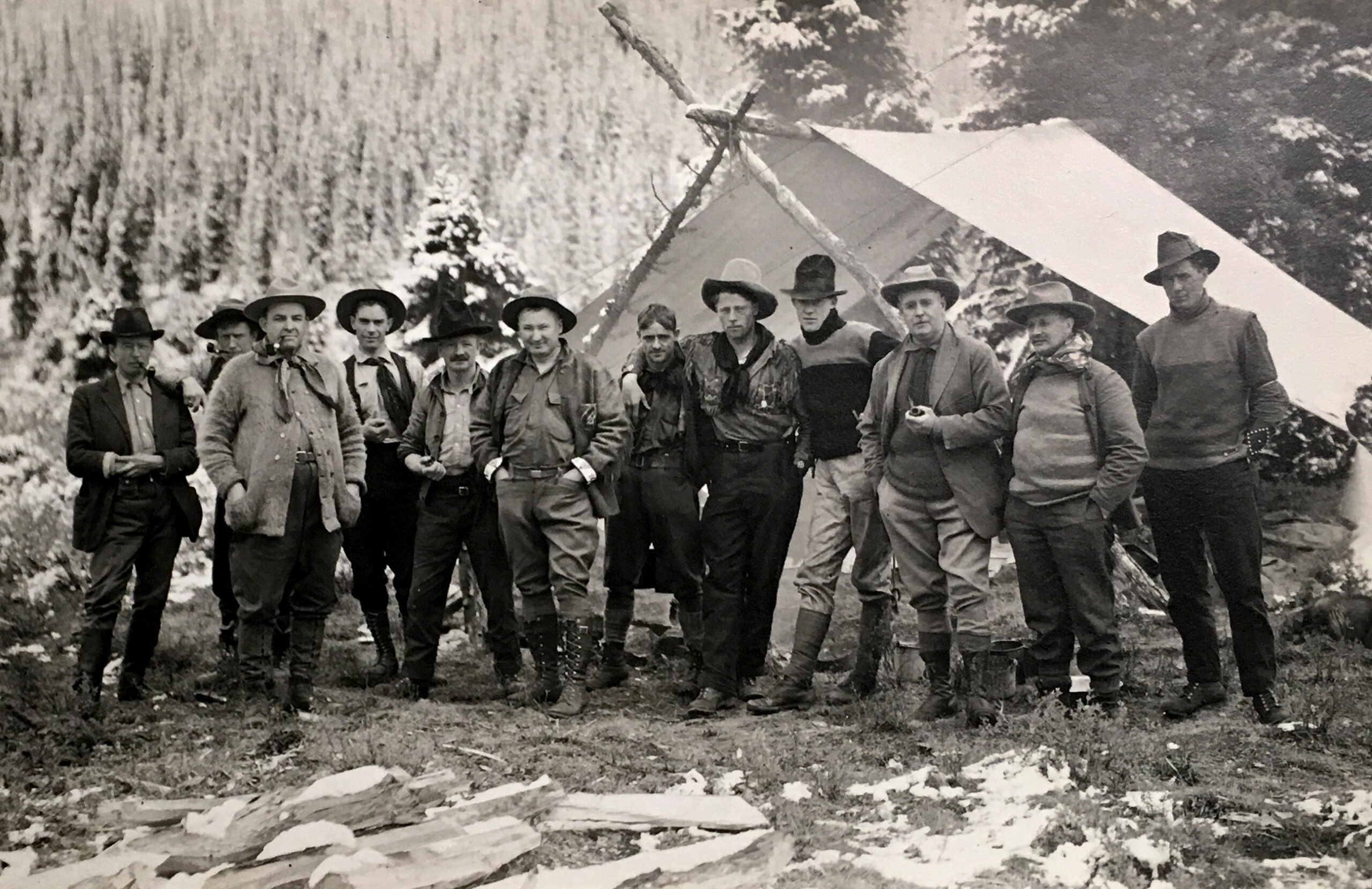
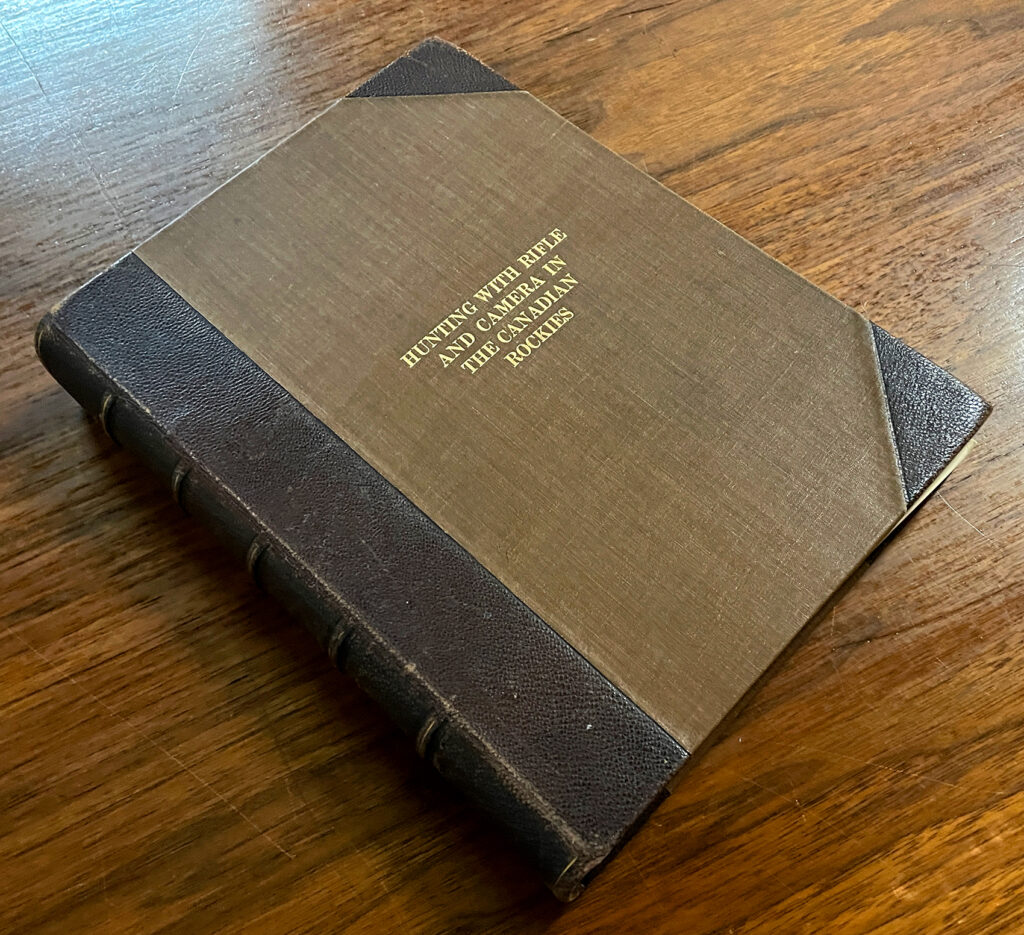
In his book, Hunting with Rifle and Camera, McAleenan describes what was a common evolution of his time: the sportsman-hunter became the sportsman-hunter-photographer, and in some cases, the sportsman-photographer — a shift driven by the convergence of naturalism, the Conservation Movement, and advancements in photographic technologies. The photographs McAleenan took on this particular hunting trip were used in The Explorer, evidenced by the fact that some of the same images appear in Hunting with Rifle and Camera.
This hunt, we had promised ourselves, would be largely photographic. Of late years, the camera has appealed to us more than the rifle. Trophes could be carried home on film and plate, and the glad, strong, wild creatures still roam their beloved hills and peaks, and enjoy their right to life and happiness. We hope to get pictures of Big Horn, and surely we were not too ambitious in hoping for view of the of the White mountain goat and the king of North American animals, the silver-tip grizzly. (McAleenan, Hunting with Rifle and Camera, page 3)
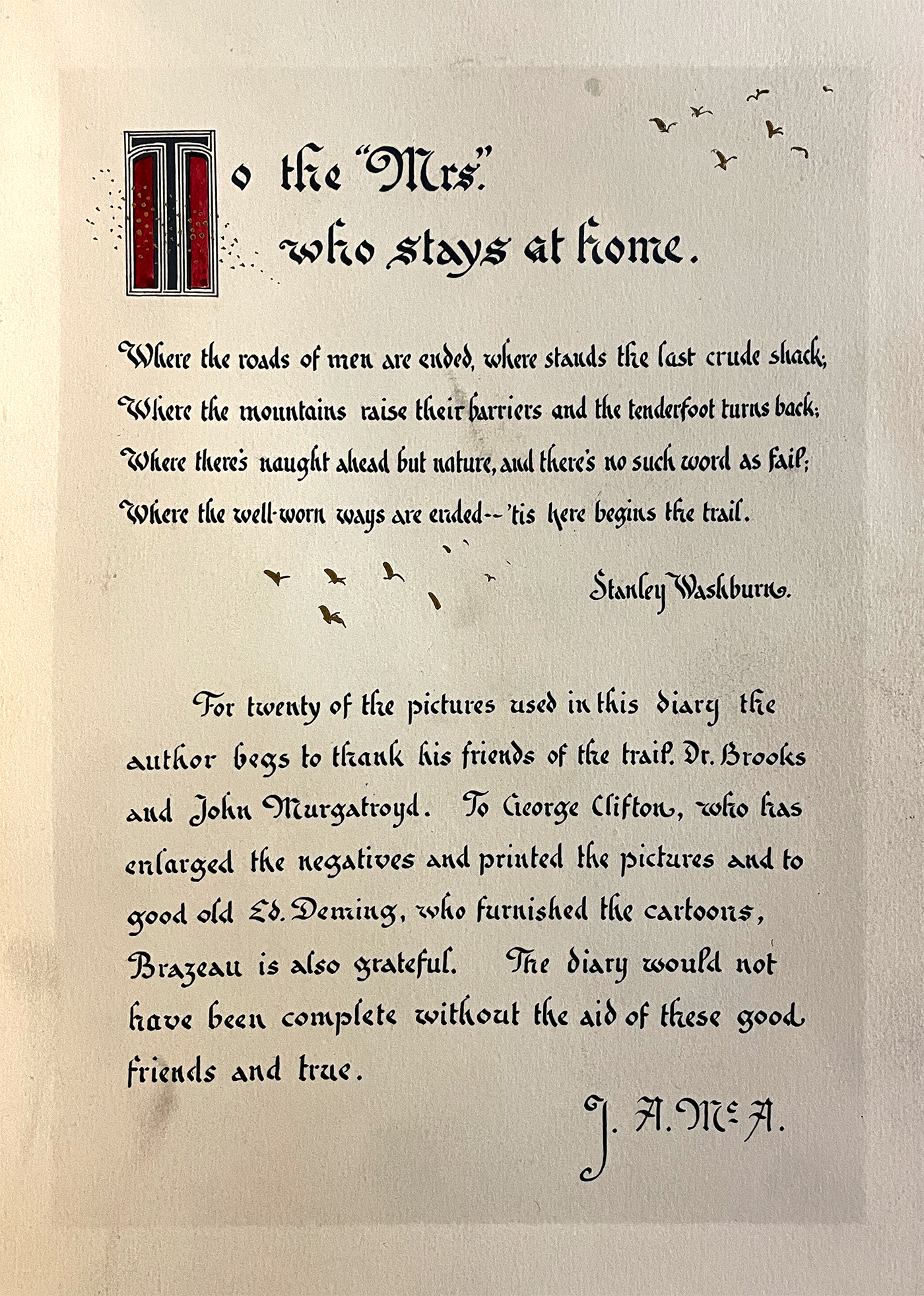
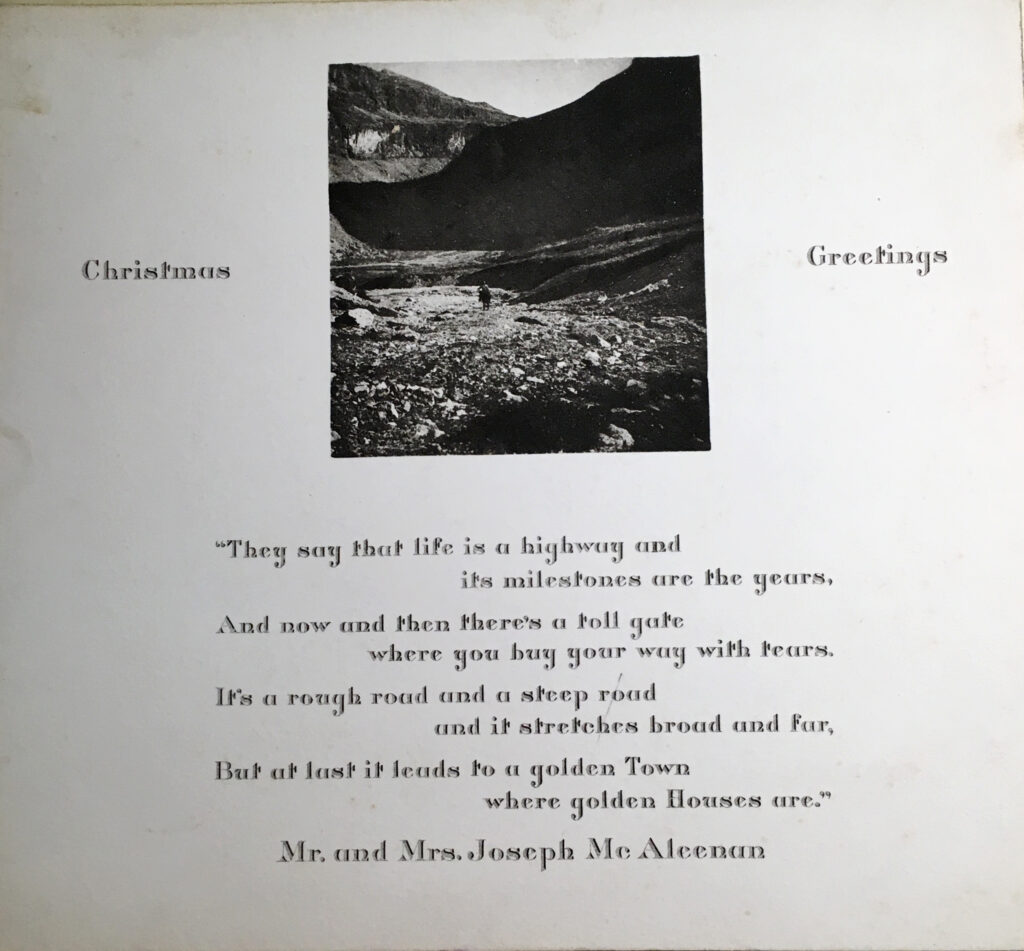
Stereographic slides of these photographs (among many other pictures from McAleenan’s hunting trip) can be found in the Whyte Museum of the Canadian Rockies archive. Photographs from the hunting trip chronicled in the diary are found in The Explorer trip, and one was also used for a McAleenan Christmas card.
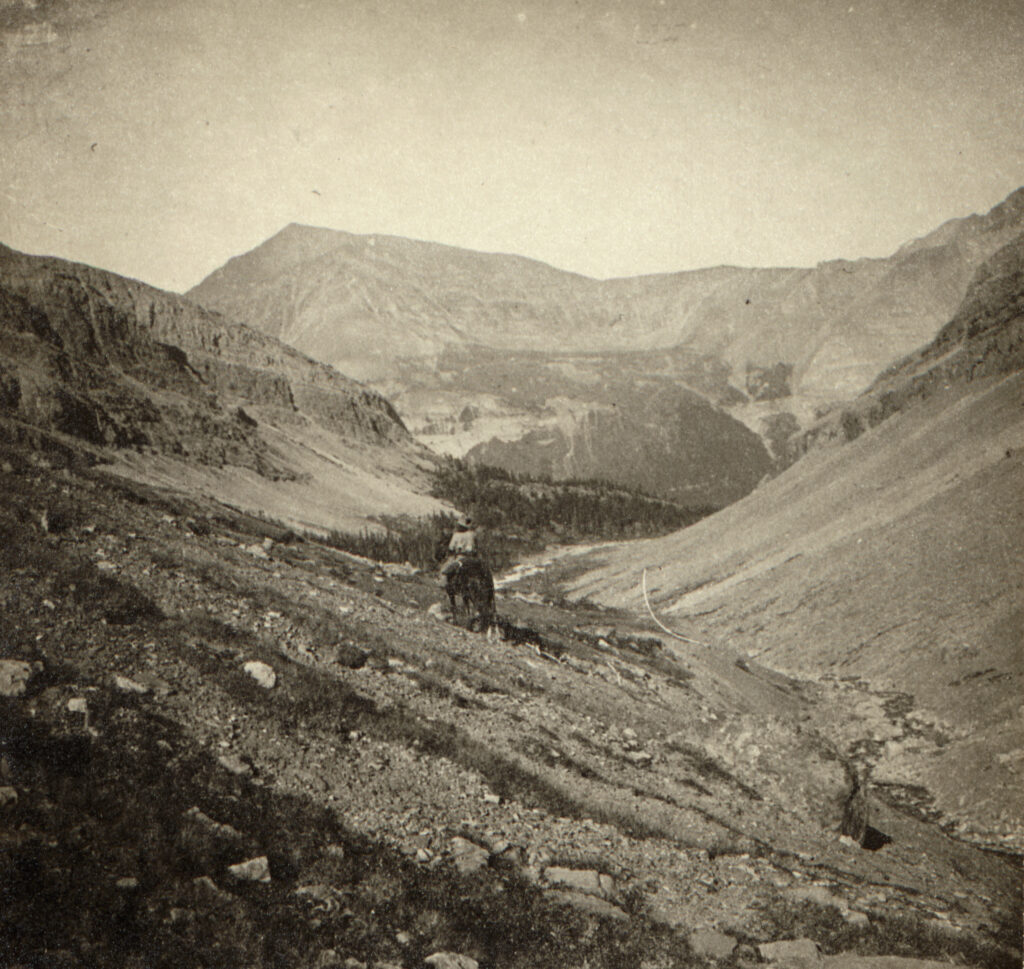
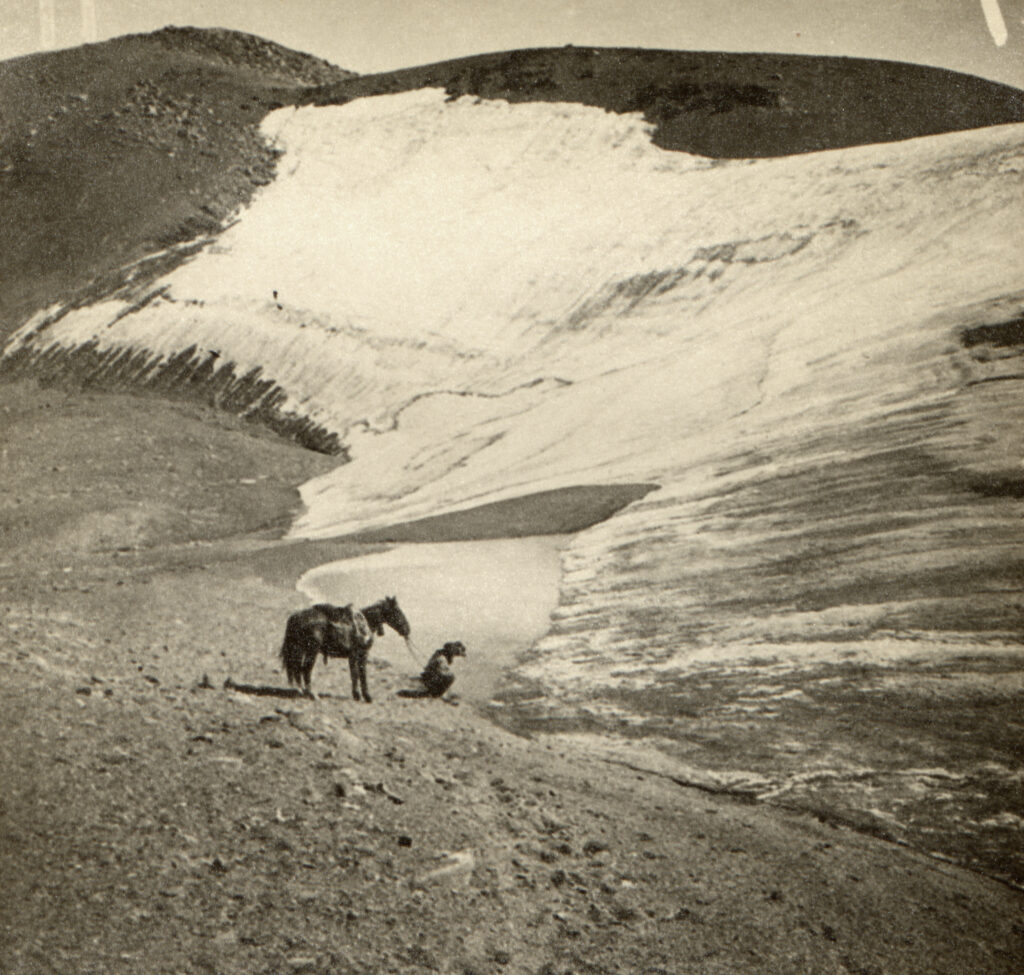
Insert images of stereographs matching in The Explorer from the Whyte Museum
“I intend on taking [double check] a 5-7 Autorchrome outfit with me on this trip and will devote all my time to colored photography. I plan to take two hundred and fifty plates and will expose them all so as to insure [sic] against failure. There will be many scenes you and I will desire in duplicate and while you will be in demand by the hunters I expect to have you with me on occasions to argue composition, light, and cloud effects.” McAleenan in a letter to Jimmy Simpson (IMG_9771.JPG)
Add one about taking more photos than shooting
[Explain the stereographs]
More about McAleenan’s use of photographs in his books. The significance of using actual photographs vs lithography
Grand Canyon, taxiphone to Hayes
“Austin forgot to bring his camera with him. He asked me about it shortly after we left camp, but as I did not wish to delay our trip, let it go. It was too bad, as we might have procured a fine picture, but one cannot kill and photograph at the same time. This has been my experience on many hunts, and I have firmly resolved to cut out the shooting on any future trip” (Grand Canyon diary 35).”
“We wandered on and met the boys returning from the rim. They were loud in their praise of the beauties of the canyon sunset and· insisted that we should picture it all. Desire and accomplishment, however, are two very different things in photography, and many times are we doomed to disappointment when we hope to catch the fleeting image of some marvel that would create jealousy in the hearts_ of’ those less fortunate. More shots are missed with the camera,_,_t_h, an with the rifle, which explains why results with the camera ~~ie so_ much more highly prized.- The mounted head of the master-buck, hull, elk, or ram means that somethingof b~~-u~ys, om-ethingo f life, has been removed from the wilderness; while the photograph of the same animal is harder to pro~ure.~~-d-calls for ~atient effort ‘and trailing of no mean character. The photograph takes nothing of value from the wild places and serves quite as well as a souvenir, anμ it carries n~ r~g~ets. ~ I am no cn~.zyconservationist -in the matter. of game…” (Grand Canyon, 55)