
Naturalism
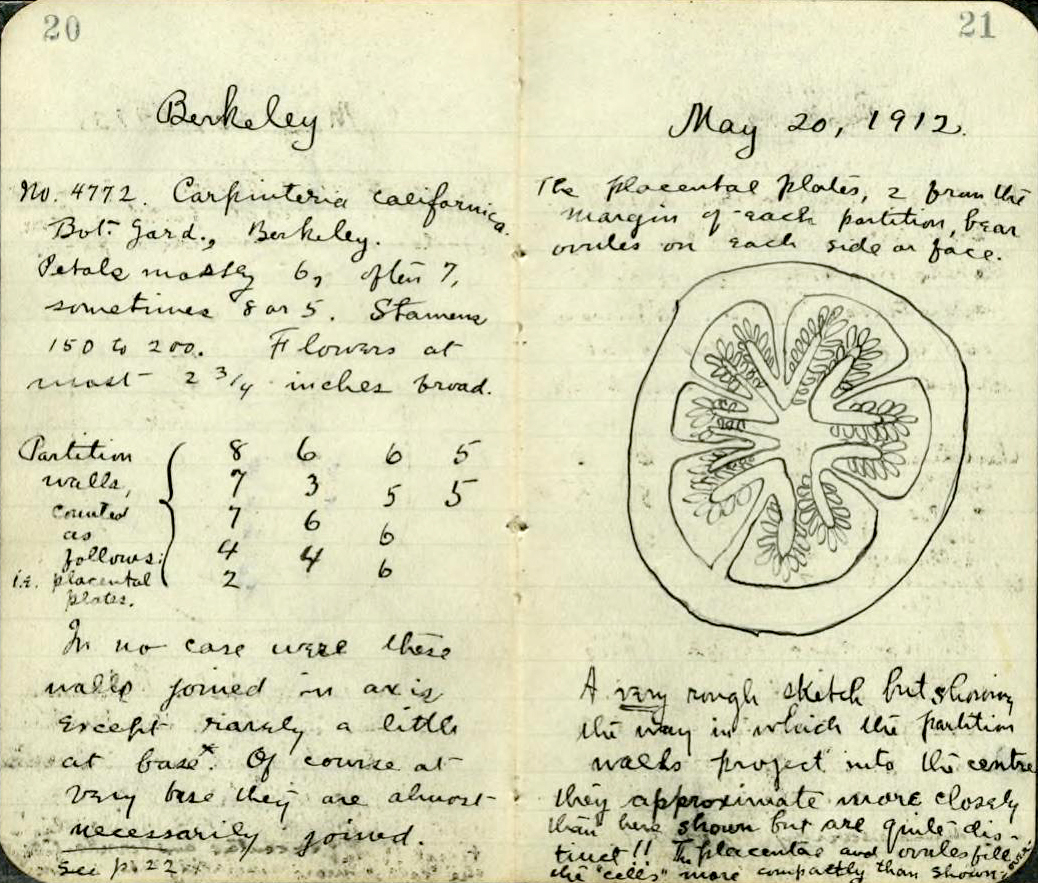
Naturalism is the practice of closely observing, systematically collecting, and accurately documenting elements of the natural world in order to study, understand, and preserve them. It began to take shape in the late 17th and 18th centuries, influenced by Enlightenment ideals and early scientific exploration, and evolved alongside the rise of natural history as a discipline. By the 19th century, naturalist practices had matured into a widespread movement—embodied by figures like Theodore Roosevelt, who from childhood through his presidency engaged in field observation, specimen collection, and detailed documentation, ultimately shaping both scientific understanding and conservation policy.
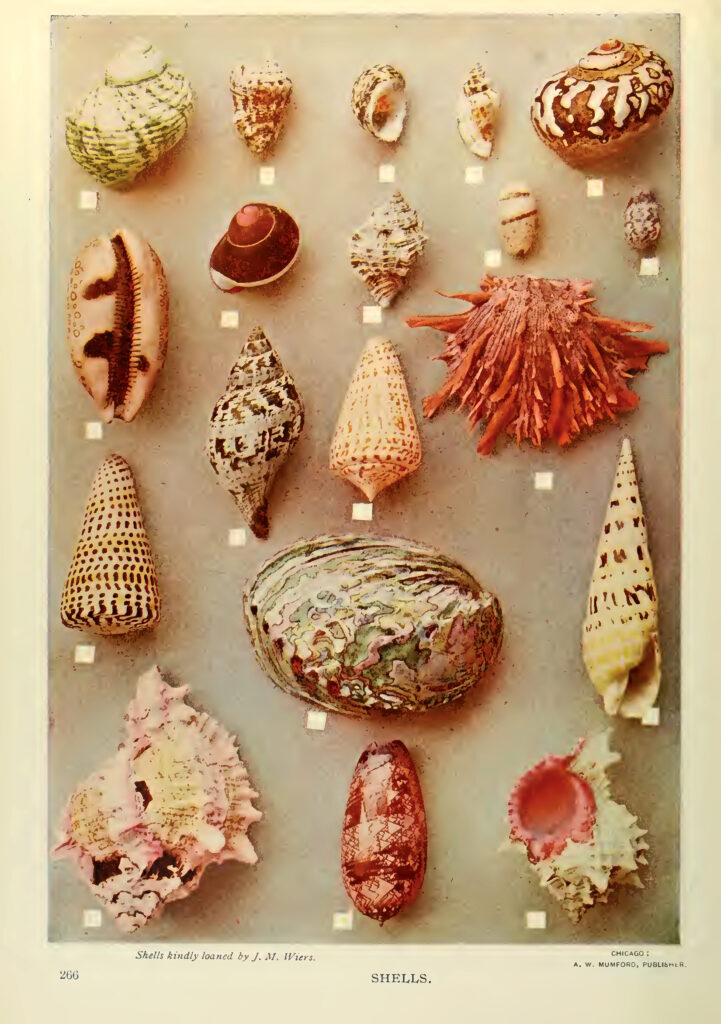
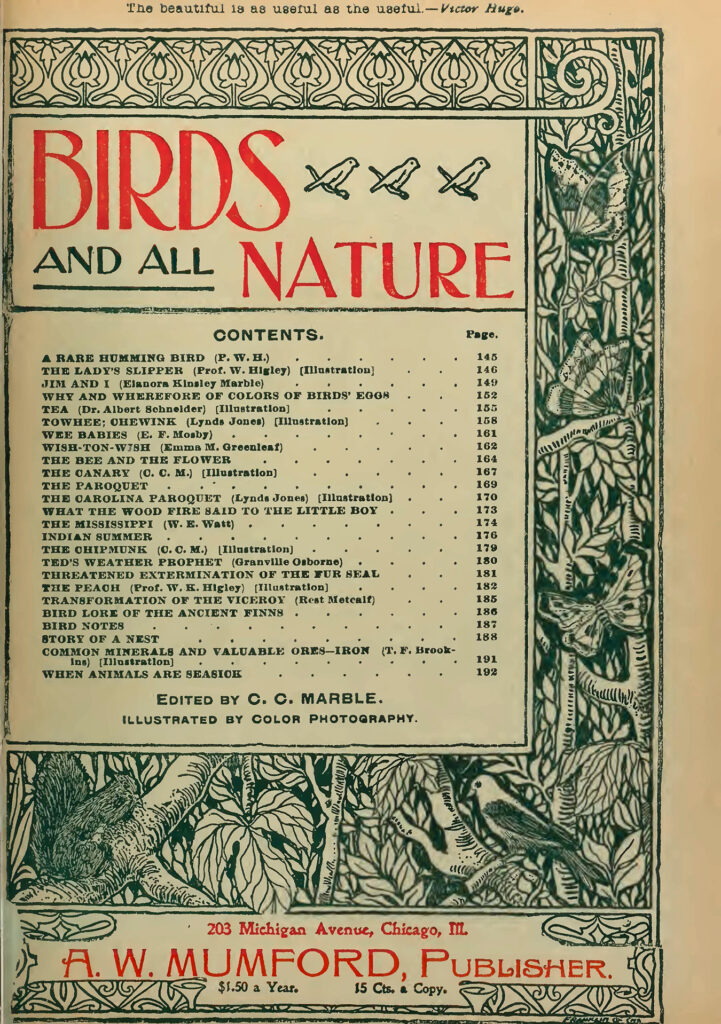
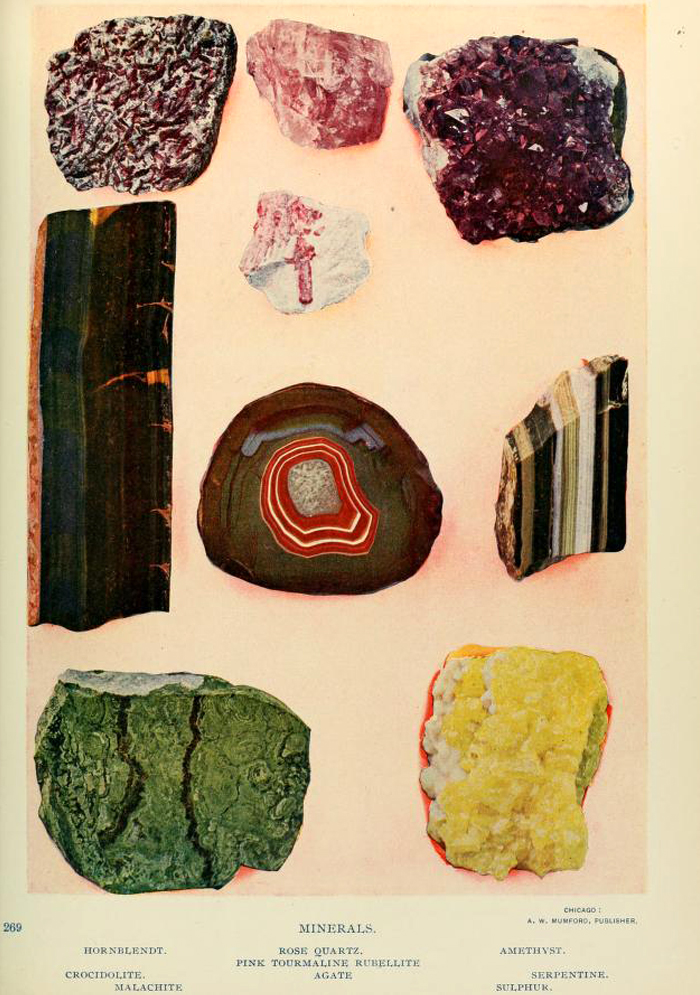
Claude: Birds & Nature was a periodical published by the Nature Study Publishing Company in Chicago, running from 1896 to 1907. It leans toward the popular/accessible end of naturalism rather than the strictly scientific end — more in the tradition of Audubon than a dry taxonomic journal. That actually makes it a wonderful example of the era, when natural history was considered legitimate public education, not just specialist science.
Text
Sportsman-Naturalist ⇨
Conservationism
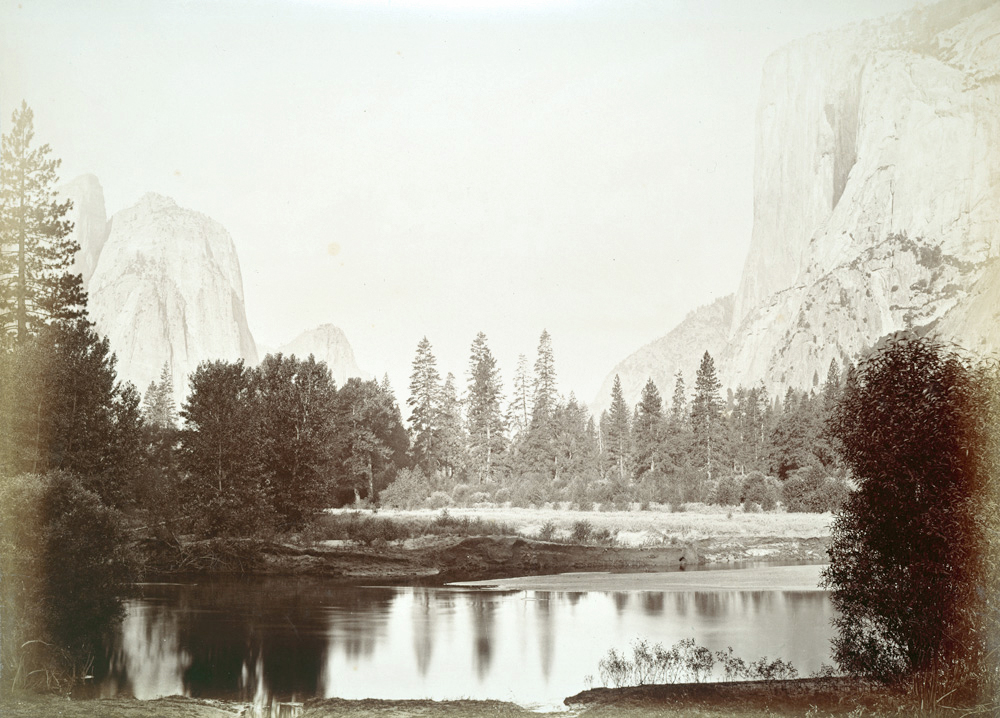
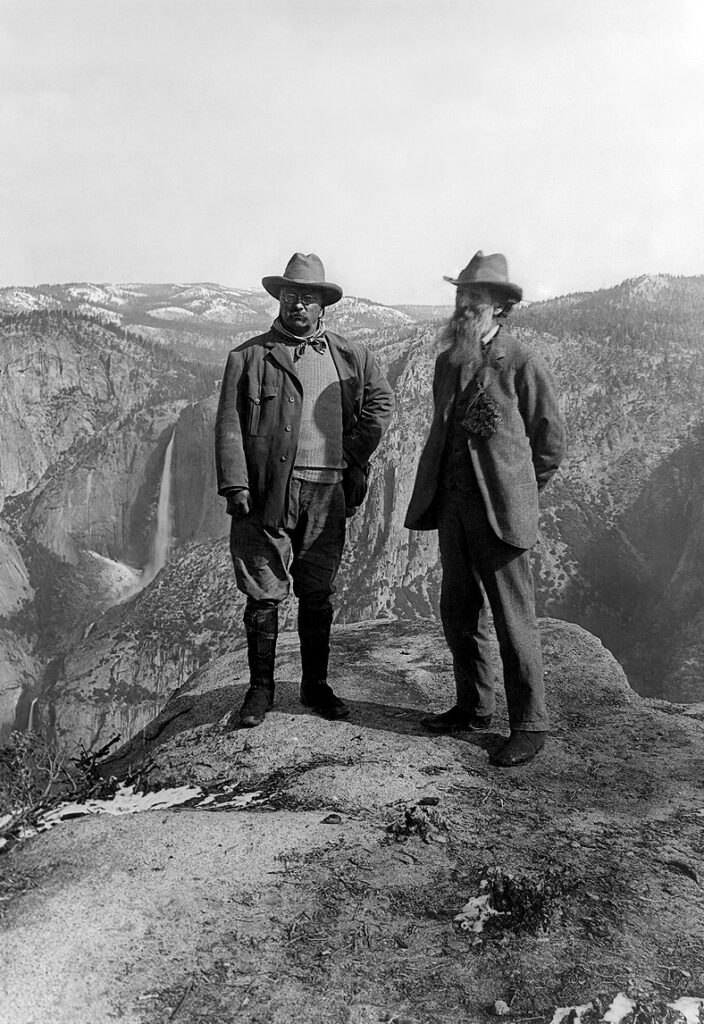
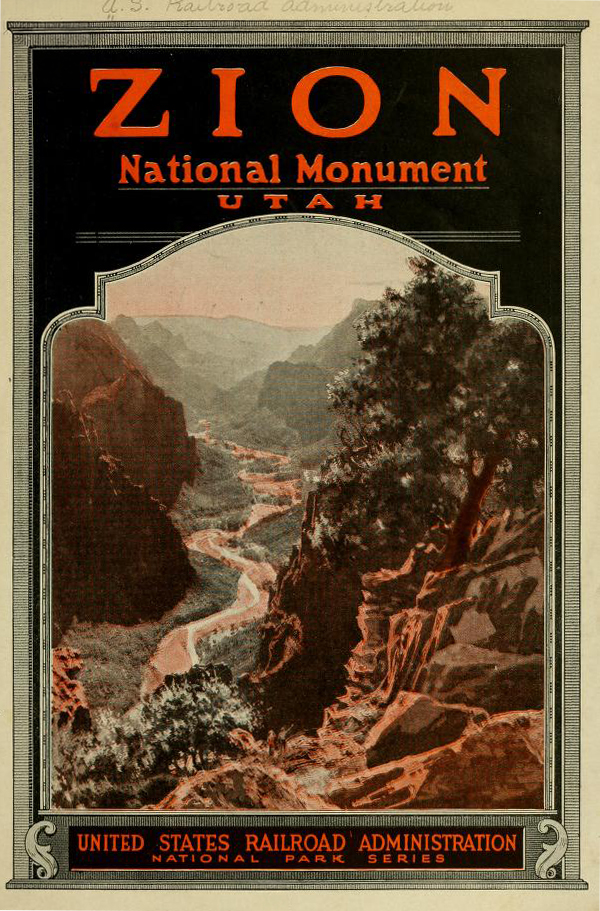
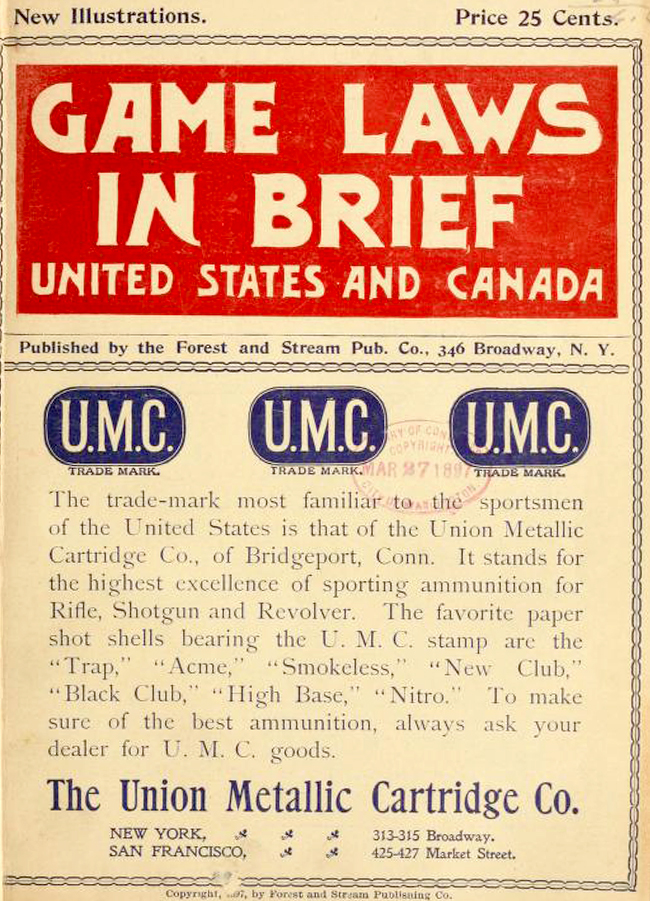
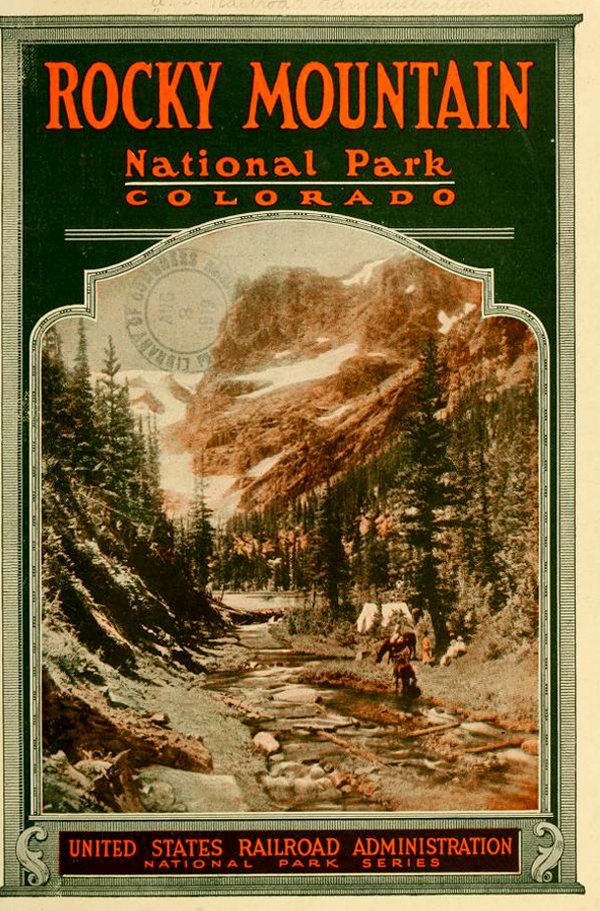
The need for land conservation entered the American consciousness in the late 19th and early 20th centuries, as the nation, having expanded fully from east to west, began to recognize the finiteness of its resources and deemed federal intervention necessary. What followed was sweeping legislation that preserved vast swaths of land through the establishment of national and state parks, wildlife refuges, and monuments. As president, Roosevelt drove much of the effort, putting roughly 230 million acres of land under federal protection. Parallel to these efforts was an endeavor to preserve wildlife, which was being rapidly depleted by market hunting, meaning the mass killing of animals for profit […], and, in the case of the bison, the introduction of horses to North America, which enhanced hunting abilities and competed for resources, and the intentional annihilation of the species by the US Army in order to gain power over Native American populations (CITE).
Text
October 1, 1890: At the urging of John Muir, The U.S. Congress designated Yosemite a National Park.
May 28, 1892: Writer and naturalist John Muir founded the Sierra Club. Muir’s campaigning for conservation in the 1890s would exert an influence on American life in the 20th century.
Roosevelt, The Conservationist ⇨
Hunting with Rifle and Camera ⇨
White Supremacy
“At the turn of the 20th century, white supremacy was not a fringe belief but a mainstream ideology embedded in American law, politics, science, and culture. At the turn of the 20th century, white supremacy was not a fringe belief but a mainstream ideology embedded in American law, politics, science, and culture. Rooted in pseudo-scientific racial theories and bolstered by Social Darwinism, it held that white people — particularly those of Anglo-Saxon or Nordic descent — were biologically and intellectually superior to all other races, and that this hierarchy was natural and inevitable. This thinking underpinned Jim Crow laws in the South, which enforced rigid racial segregation and disenfranchised Black Americans, while also justifying the dispossession of Native Americans, the exclusion of Asian immigrants, and the imperial conquest of non-white peoples abroad. Institutions, universities, and respected intellectuals lent the ideology a veneer of scientific legitimacy, making white supremacy not merely a social attitude but a governing framework that shaped nearly every aspect of American life.”
Nativism
“In the early 20th century, nativism surged in response to mass immigration from Southern and Eastern Europe, stoking fears among native-born Americans over cultural loss, economic competition, and social decline. Nativist groups portrayed immigrants as threats who drove down wages, fueled crime and poverty, and were fundamentally incapable of assimilating into American society. Many of these immigrants were also Catholic, which intensified nativist hostility, as large segments of Protestant America viewed the Catholic Church as a foreign institution incompatible with democratic values and American identity.” [add citations]
Capitalizing on and fueling anti-Catholic sentiment
Anglo-Saxonism
“Anglo-Saxonism was the belief that white, Protestant, English-speaking Americans were racially and culturally superior to all others, and that this superiority…Anglo-Saxonism was the belief that white, Protestant, English-speaking Americans were racially and culturally superior to all others, and that this superiority was inherited from the ancient Germanic tribes who had settled in early medieval Britain. The idea was largely a myth — “Anglo-Saxon” was not a real unified racial lineage but an identity invented and romanticized by 19th-century intellectuals to justify existing power structures. In America, this ideology was used to discriminate against immigrants, Catholics, Jews, and non-white peoples at home, while also serving as justification for imperial expansion abroad, framing it as the duty of a superior race to spread its civilization across the world.” [Citations]
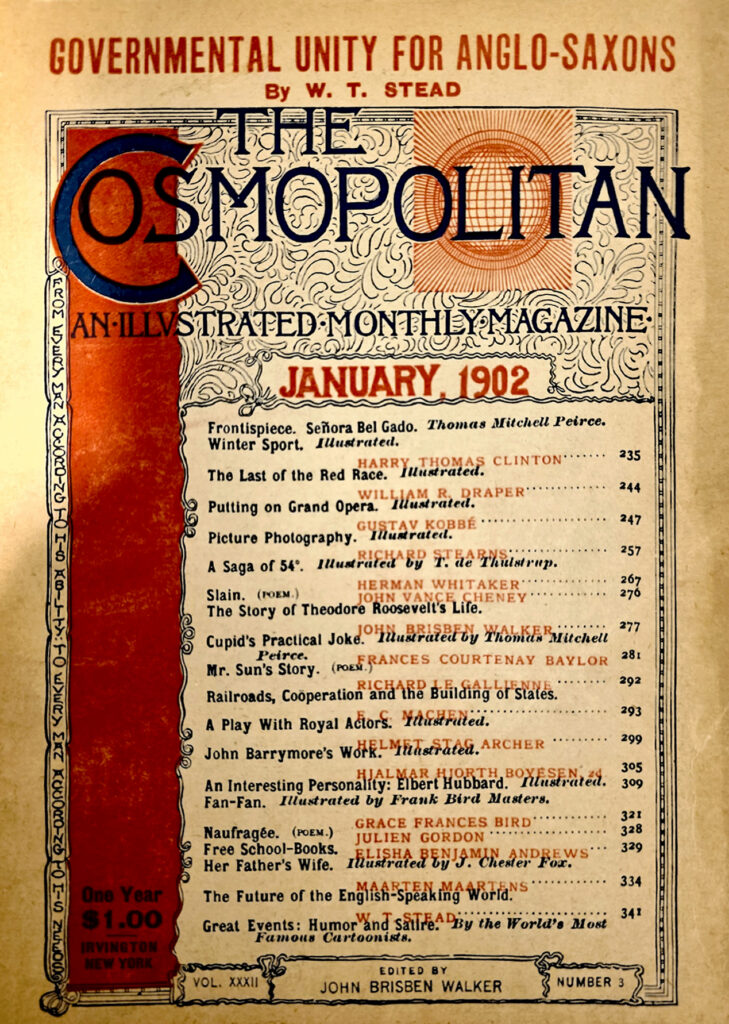
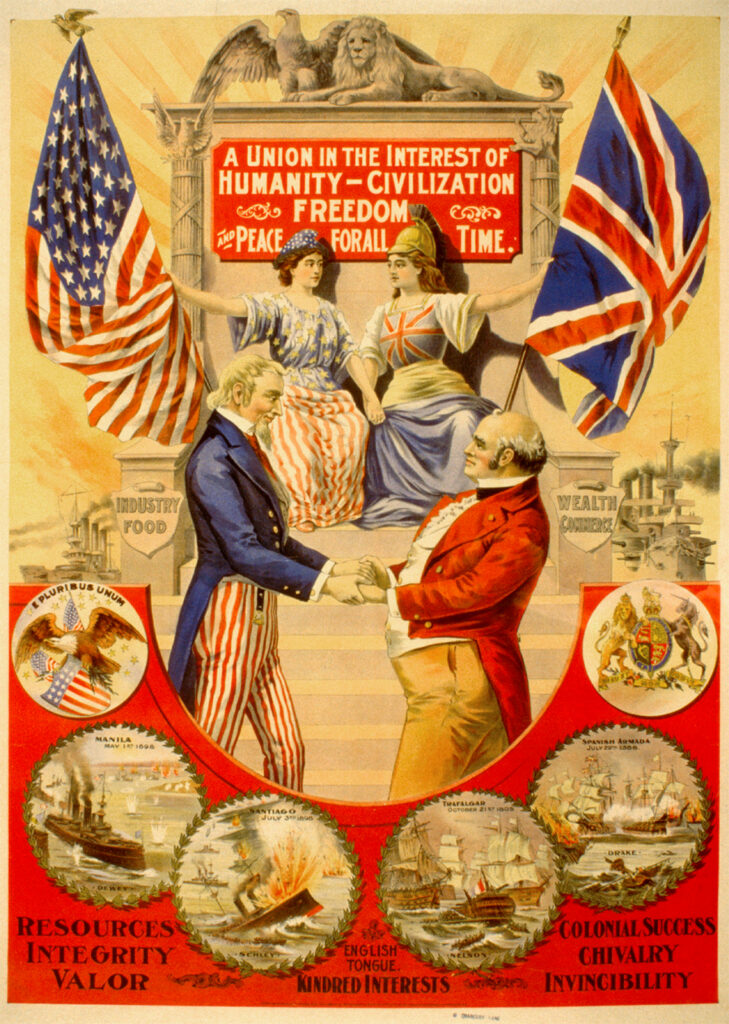
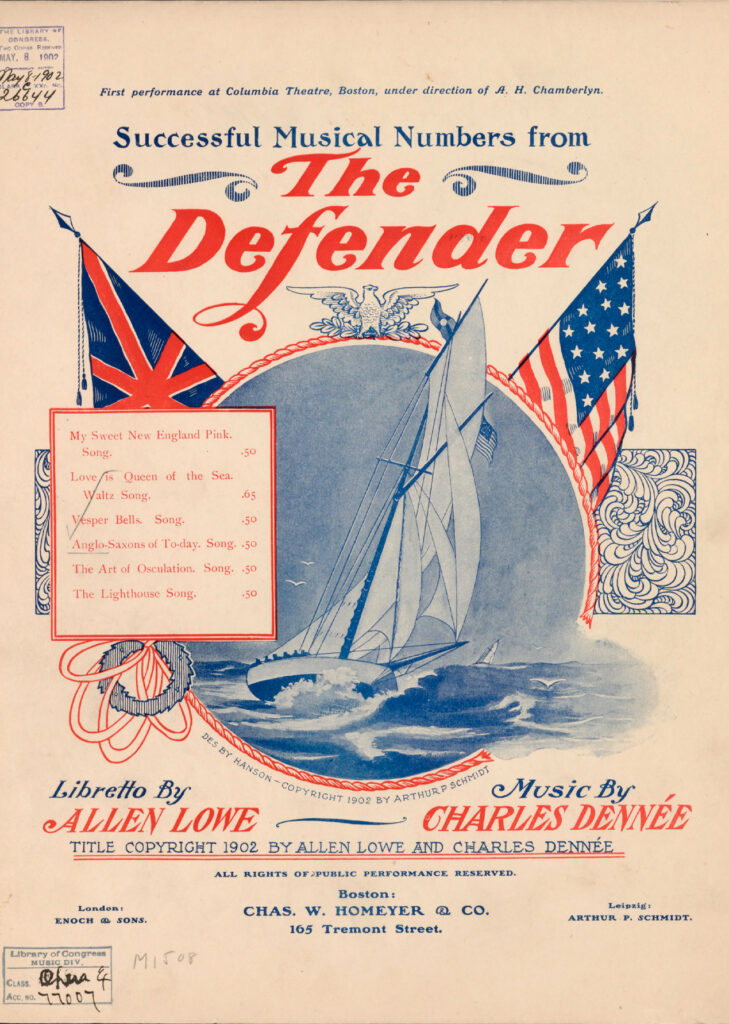
“Madison Grant’s The Passing of the Great Race (1916) — A widely read and influential book that used pseudo-scientific racial theory to argue that Anglo-Saxon and Nordic peoples were the master race, and that immigration and intermarriage posed an existential threat to American civilization. It directly influenced immigration legislation in the 1920s.” “Manifest Destiny — The idea that white Anglo-Saxon Americans had a divine and racial mandate to expand westward across North America, displacing Native Americans and Mexicans who were deemed racially unfit to govern the land.”
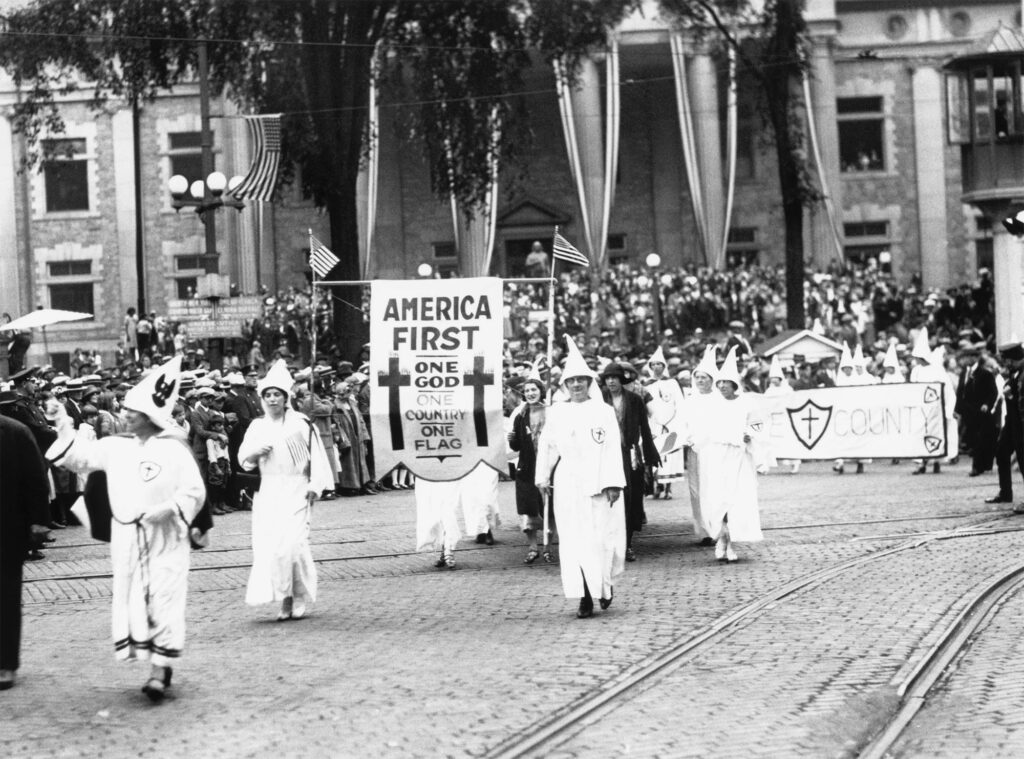
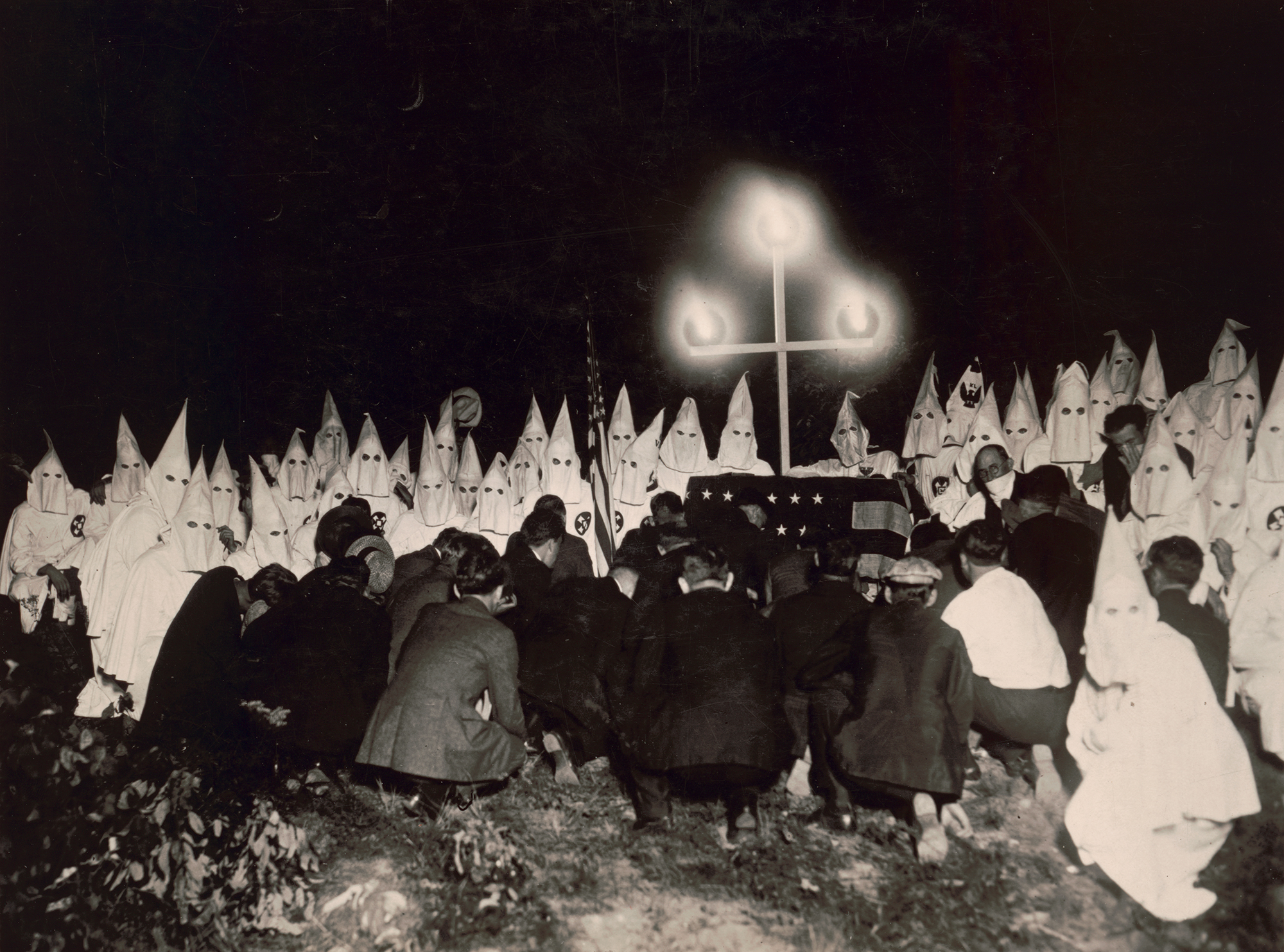
The influx of immigrants in the early twentieth century intensified an already existing nativist sentiment, with Southern Europeans, Eastern Europeans, and East Asians. This attitude fostered an already existing anti-Catholic sentiment, most visibly embodied by the resurgent Ku Klux Klan, the so-called Second Klan, whose adopted slogan “100% Americanism” meant white and Protestant.
“Yes, in this period it functions well as both an ideology and a movement, given that it had institutional embodiments (the Klan), legislative achievements (the…Yes, in this period it functions well as both an ideology and a movement, given that it had institutional embodiments (the Klan), legislative achievements (the Immigration Act of 1924), intellectual advocates (Grant, Hornaday), and broad popular support. It was organized, it had goals, and it achieved them — that is a movement.”
Conservation, Race, and Class ⇨
Events ⇨